
Introduction
The Growing Importance of Effective Money Management
What if a single app could help you save thousands each year? In today’s fast-paced, digitally driven world, managing money wisely is more important than ever. With the rising cost of living, unpredictable economic shifts, and increasing financial responsibilities, effective money management has become a crucial life skill.
Common Financial Challenges People Face
Despite its importance, many individuals still struggle to stay on top of their finances. Overspending, lack of savings, and poor financial planning are among the most common issues. These challenges can lead to mounting debt, financial stress, and lost opportunities for growth and stability.
Overspending and Impulse Buying
In an age of online shopping and instant gratification, it’s easier than ever to spend beyond one’s means. Without proper budgeting, small expenses can quickly add up and derail financial goals.
Lack of Savings and Emergency Funds
Many people fail to set aside money for emergencies or long-term goals, leaving them vulnerable when unexpected expenses arise. Building consistent savings requires discipline—and the right tools can make all the difference.
Poor Financial Planning
Without a clear financial plan, it’s difficult to manage income, expenses, and investments effectively. Poor planning often results in missed opportunities for saving or growing wealth.
How Digital Tools Simplify Budgeting and Financial Control
Fortunately, technology has revolutionized the way people manage money. From budgeting apps to automated savings platforms, digital tools make it easier than ever to track spending, set financial goals, and make informed decisions.
Smart Budgeting Apps
Modern budgeting apps categorize expenses, track income, and send alerts to prevent overspending—helping users stay on track with their financial goals.
Automated Savings and Investment Tools
Automation takes the effort out of saving by transferring funds directly into savings or investment accounts, ensuring consistent progress toward financial goals.
The Power of Technology in Financial Wellness
By embracing digital financial tools, individuals can gain better control over their money, reduce financial stress, and work toward long-term financial freedom—all from the convenience of their smartphones.
Why Money Management Matters
The Significance of Tracking Income and Expenses
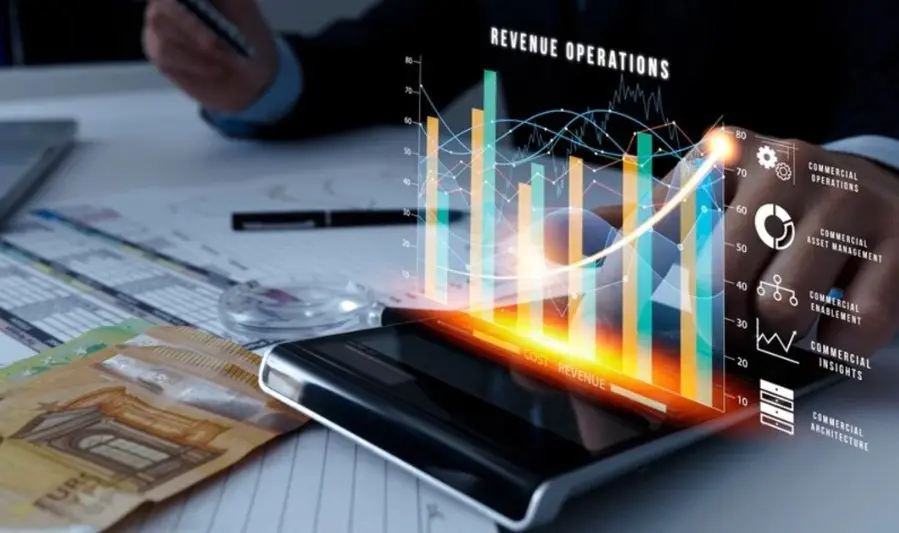
Understanding where your money goes is the foundation of financial success. Tracking income and expenses allows you to see how much you earn, how much you spend, and where your money is actually going each month. Without this awareness, it’s easy to underestimate small, frequent purchases that can drain your budget over time. Regularly monitoring your finances not only helps you identify spending patterns but also empowers you to make smarter financial decisions—such as cutting unnecessary costs and prioritizing savings.
Budgeting for Better Awareness and Reduced Stress
Creating and sticking to a budget goes beyond simply recording numbers—it’s about gaining control and confidence over your financial life. A well-structured budget helps you allocate money for essentials, savings, and leisure without overspending. This proactive approach reduces financial anxiety because you know exactly where your money stands. Studies show that people who budget are 50% more likely to feel financially secure than those who don’t, highlighting how budgeting contributes directly to mental and emotional well-being.
Manual Tracking vs. Digital Tools
In the past, money management often meant manually recording transactions in notebooks or spreadsheets. While this approach can work, it’s time-consuming and prone to human error. Digital tools, on the other hand, automate much of the process. Modern budgeting apps connect directly to bank accounts, categorize expenses, and generate real-time insights into your spending habits. They also provide reminders, goal-setting features, and visual reports that make managing finances more efficient and engaging.
The Advantage of Going Digital
Digital platforms not only save time but also improve accuracy and consistency in tracking your finances. They turn complex financial data into easy-to-understand visuals, helping you stay accountable and make informed choices. Whether you’re saving for a vacation, paying off debt, or building an emergency fund, these tools simplify the path toward your financial goals.
Best Money Management Tools in 2025
Here’s an in-depth look at some of the best money management tools in 2025 — each offering unique features, benefits, and ideal use cases depending on your financial needs and lifestyle.
4.1 Mint – All-in-One Budgeting Tool
Overview and Standout Features
Mint was one of the most popular free budgeting apps, offering users a complete financial overview by linking multiple accounts, tracking spending, and providing insights into bills, goals, and credit scores.
Advantages
- Easy to use, visually engaging dashboard.
- Helps track all your finances in one place.
- Great for those who want a simple overview of their income and expenses.
Limitations
- As of 2024, Mint has officially been shut down.
- Occasional sync issues and ad-heavy interface.
- Limited customization compared to premium tools.
Ideal for: Beginners, freelancers, and casual budgeters (though now discontinued, alternatives like Credit Karma Money or Rocket Money offer similar functionality).
4.2 YNAB (You Need a Budget) – Goal-Oriented Budgeting
“Every Dollar Has a Job” Method
YNAB follows a zero-based budgeting system where every dollar you earn is assigned a purpose—whether it’s for spending, saving, or debt repayment. This approach encourages mindful and intentional spending.
Key Features
- Real-time expense tracking and goal setting.
- Cloud syncing across devices.
- Detailed spending reports and community education resources.
Advantages
- Excellent for developing strong money habits.
- Encourages savings and debt reduction.
- Intuitive visual tools for budgeting clarity.
Limitations
- Requires consistent input and discipline.
- Premium pricing at around $14.99/month or $99/year.
Ideal for: Goal-driven individuals, freelancers with irregular income, and couples focused on long-term budgeting.
4.3 PocketGuard – Real-Time Spending Tracker
How It Helps Prevent Overspending
PocketGuard automatically syncs with your accounts, tracks bills, and shows how much money is safe to spend through its “In My Pocket” feature. This gives users a quick snapshot of what’s left after bills and savings goals are accounted for.
Key Features
- Automated categorization of transactions.
- Bill tracking and savings goals.
- Real-time balance and spending alerts.
Advantages
- Simple and effective for controlling overspending.
- User-friendly design and automation.
Limitations
- The free version is limited; premium features require a paid plan.
- Less detailed budgeting customization compared to YNAB.
Ideal for: Individuals who want to manage daily spending and avoid going over budget.
4.4 Goodbudget – The Digital Envelope System
How It Adapts the Traditional Envelope Method
Goodbudget brings the classic envelope budgeting method into the digital world. Users allocate money to virtual “envelopes” for specific categories like groceries, rent, or entertainment.
Key Features
- Shared budgeting for couples and families.
- Syncing across multiple devices.
- Easy visual breakdown of spending categories.
Advantages
- Encourages intentional spending habits.
- Great for joint budgeting and household management.
- Works without requiring direct bank connections.
Limitations
- Fewer automation features.
- Not ideal for investment or debt tracking.
Ideal for: Couples or families who want to plan expenses together and follow a structured budgeting method.
4.5 Empower (formerly Personal Capital) – For Investors and Planners
Overview
Empower focuses on both budgeting and wealth management. It allows users to track investments, monitor net worth, and plan for long-term goals such as retirement.
Key Features
- Comprehensive investment analysis tools.
- Net worth tracking and financial dashboards.
- Retirement and cash-flow planning.
Advantages
- Combines budgeting with professional-grade investment tools.
- Excellent for long-term financial planning.
- Offers free financial tracking alongside advisory services.
Limitations
- Some advanced features are reserved for premium users.
- Requires higher asset levels for wealth management services.
Ideal for: Investors, professionals, and individuals focused on long-term wealth building and financial planning.
4.6 Honeydue – Money Management for Couples
Features for Joint Budgeting and Bill Management
Honeydue is designed for couples who want to manage finances together. It allows both partners to link accounts, set shared budgets, and receive alerts for upcoming bills or spending limits.
Key Features
- Shared expense tracking and chat integration.
- Privacy controls for individual accounts.
- Notifications for bill payments and spending limits.
Advantages
- Specifically built for couples.
- Easy to use and free to access.
- Encourages communication around money.
Limitations
- Mobile-only; lacks a desktop version.
- Limited long-term planning features.
Ideal for: Couples or partners managing shared expenses while keeping some financial independence.
Summary Table
| App / Tool | Best For | Key Strength | Main Limitation |
|---|---|---|---|
| Mint | Beginners, casual budgeters | Simple, all-in-one tracking | Discontinued as of 2024 |
| YNAB | Goal-oriented users | Zero-based budgeting, strong structure | Paid subscription, learning curve |
| PocketGuard | Overspenders and daily spend trackers | “In My Pocket” feature for real-time view | Limited free version |
| Goodbudget | Couples and families | Digital envelope system, shared budgeting | Less automation |
| Empower (Personal Capital) | Investors, planners, long-term savers | Investment tracking and net worth analysis | Requires higher assets for advisory tools |
| Honeydue | Couples | Joint budgeting and bill management | Mobile-only, fewer advanced tools |
Tips for Choosing the Right Money Management Tool
1. Define Your Financial Goals
Before selecting a platform, clarify your financial objectives. Are you aiming to:
- Track daily expenses
- Save for a specific goal
- Pay off debt
- Invest for the future
Understanding your priorities will guide you toward an app that aligns with your needs. For instance, if saving for a vacation is your goal, look for apps with strong goal-setting features and progress tracking.
2. Test Free Versions Before Committing
Many budgeting apps offer free versions or trials. Use these to assess:
- Ease of use
- Feature set
- User interface
This hands-on experience will help you determine if the app meets your expectations before investing in a premium plan.
3. Stick with One App for at Least a Month
Consistency is key. Using an app for a month allows you to:
- Evaluate its effectiveness
- Identify any shortcomings
- Adjust your budgeting habits accordingly
This trial period provides a clear picture of how well the app supports your financial management efforts.
4. Consider Combining Tools for Comprehensive Management
While a budgeting app helps track expenses, pairing it with tools for:
- Investment tracking
- Savings goals
- Debt repayment
can offer a holistic view of your finances. Some platforms, like Empower (formerly Personal Capital), integrate budgeting with investment tracking, providing a comprehensive financial overview.
you may also like to read these posts:
Phát triển kỹ năng nghề thủ công
Mundo ng Bukas: Ang Papel ng Inobasyon sa Pag-unlad
Smart Budget Planning for Families: A Practical Guide to Financial Harmony
Final Thoughts
Consistent money management is essential for achieving financial stability and peace of mind. By tracking income, expenses, and savings, you gain clarity over your financial situation, reduce stress, and make informed decisions for both short-term needs and long-term goals.
The right money management tool can simplify this process, automating tedious tasks, providing clear insights, and helping you stay on track with your budget and financial objectives. Whether you’re saving for a goal, managing day-to-day expenses, or planning investments, the right app can make financial planning more manageable and effective.
Faqs:
Are there free money management tools available?
Yes, there are several free money management tools in 2025 that help with budgeting, tracking expenses, and setting financial goals. Popular options include Mint, PocketGuard, and Honeydue. These tools can automatically sync with your bank accounts, categorize transactions, and even send bill reminders.
Are these tools safe to use?
Yes, most money management tools use advanced encryption and security features to protect your financial data. However, it’s always important to review the privacy policy and user reviews before using any platform
Can I use these tools on my mobile device?
Absolutely. Most tools are available on both iOS and Android, allowing you to manage your finances anywhere. Apps like Mint, YNAB (You Need a Budget), and Honeydue provide full mobile functionality, including expense tracking, budget updates, and alerts.
Can these tools help me achieve my financial goals?
Yes. Different tools are designed for different financial goals. For example:
YNAB is great for zero-based budgeting.
PocketGuard helps prevent overspending.
Honeydue is ideal for couples who want to manage joint finances.
Choose a tool that aligns with your personal financial objectives.
Are these tools difficult to learn?
Not at all. Most money management tools have a user-friendly interface and are easy to navigate. They also provide tutorials, guides, and customer support to help you get started without any hassle.
Conclusion
Effective money management is the foundation of financial stability and long-term success. The right tools can simplify budgeting, track your spending, help you save more, and even guide your investment decisions. Whether you are a beginner just starting to manage your finances or an experienced planner looking for more control, there is a tool that fits your needs.
Start by identifying your financial goals, choose one tool that aligns with them, and use it consistently. Over time, small steps with the right tools can lead to significant improvements in your financial health. Take control of your money today, and make every dollar work toward your future.