
Introduction
The Importance of Managing Personal Finances Effectively
Managing personal finances effectively is essential for achieving financial stability, reducing stress, and planning for future goals such as buying a home, funding education, or saving for retirement. Proper financial management involves budgeting, tracking expenses, managing debt, and setting aside savings for both short-term and long-term objectives.
Challenges People Face with Budgeting, Debt, and Savings
Many individuals struggle to keep their finances organized. Common challenges include overspending, accumulating high-interest debt, failing to save consistently, and losing track of bills and payments. These obstacles can lead to financial stress, missed opportunities, and difficulties in achieving financial goals.
How Personal Finance Tools and Apps Simplify Money Management
Personal finance tools and apps make managing money easier by automating tasks, tracking spending, and providing insights into financial habits. They offer features such as budgeting templates, expense categorization, debt tracking, and goal-setting, allowing users to make informed decisions and maintain control over their finances.
Benefits of Using Personal Finance Apps
Using these apps provides multiple advantages:
- Time-saving: Automation reduces manual tracking and calculations.
- Insightful analytics: Visual reports help identify spending patterns and areas for improvement.
- Goal-setting and progress tracking: Users can set financial targets and monitor achievements in real time, fostering better financial discipline and motivation.
Why Use Personal Finance Tools and Apps
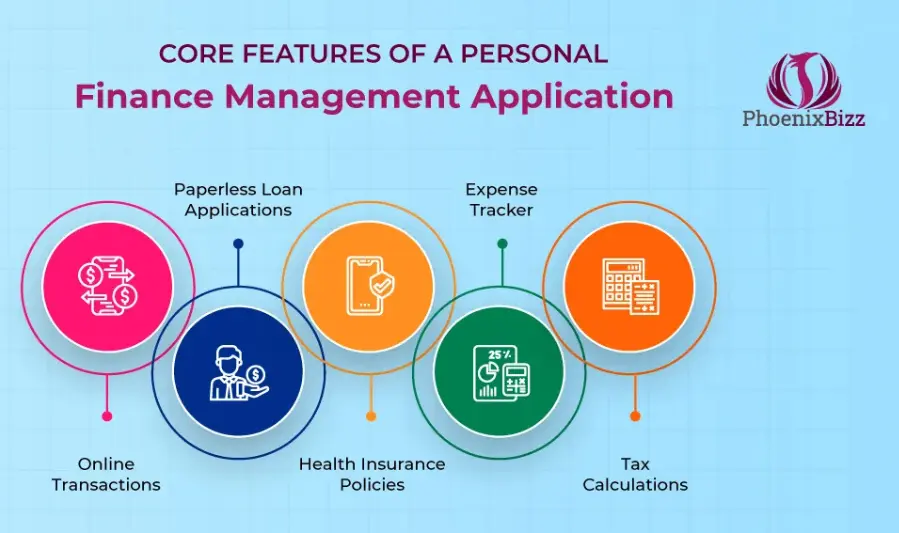
Track Income and Expenses in Real-Time
Personal finance apps allow users to record and monitor income and expenses as they occur. This real-time tracking provides an accurate picture of cash flow, making it easier to control spending and stay within budget.
Automate Bill Payments and Savings
Many apps offer automation features that schedule recurring bill payments and savings contributions. This helps prevent late fees, ensures consistent saving, and reduces the stress of manual management.
Monitor and Achieve Financial Goals
These tools allow users to set specific financial goals, such as paying off debt, building an emergency fund, or saving for a vacation. Progress tracking motivates users and ensures they stay on course toward their objectives.
Generate Insights Through Reports and Dashboards
Personal finance apps provide visual reports and dashboards that analyze spending patterns, identify areas for improvement, and highlight opportunities for saving. These insights enable smarter financial decisions.
Improve Financial Discipline and Planning
By consistently tracking finances, setting goals, and reviewing progress, users develop stronger financial habits. Personal finance tools encourage discipline, helping individuals plan effectively and avoid unnecessary debt or overspending.
Key Features to Look for in Personal Finance Apps
Account Aggregation
Look for apps that allow you to connect all your financial accounts—including bank accounts, credit cards, loans, and investments. This gives you a complete, real-time overview of your finances in one place.
Budgeting and Expense Tracking Tools
Effective personal finance apps offer budgeting features that categorize expenses, track spending, and help you stick to a plan. This allows for better control over daily and monthly finances.
Goal-Setting and Savings Tracking
Top apps enable you to set financial goals, such as saving for a vacation, emergency fund, or debt repayment. They track your progress and help you stay motivated to reach your objectives.
Alerts, Reminders, and Notifications
Automated alerts for upcoming bills, low balances, or overspending can prevent late fees and overdrafts, keeping your finances on track.
Reports, Analytics, and Visual Dashboards

Insightful reports and visual dashboards provide analysis of your spending habits, trends, and financial health. This helps you make informed decisions and optimize budgeting and saving strategies.
Security Features
Since personal finance apps handle sensitive information, prioritize apps with strong security measures, including encryption, two-factor authentication (2FA), and secure login protocols to protect your data.
1. Mint
Features:
- Automatic syncing with over 12,000 financial institutions
- Expense categorization and budgeting tools
- Free credit score monitoring
- Bill reminders and investment tracking
Pros:
- Completely free to use
- User-friendly interface
- Comprehensive financial overview
Cons:
- Occasional syncing issues
- Limited investment analysis
- No bill payment functionality
Pricing:
- Free
Ideal for:
- Users seeking a comprehensive, free tool for tracking expenses, budgeting, and monitoring credit scores.
2. YNAB (You Need A Budget)
Features:
- Zero-based budgeting methodology
- Goal setting and debt tracking
- Educational resources and workshops
- Cross-platform synchronization
Pros:
- Encourages proactive budgeting habits
- Customizable expense categories
- Robust educational resources
Cons:
- Higher subscription cost compared to some alternatives
- Steep learning curve for new users
Pricing:
- $14.99/month or $99/year
Ideal for:
- Individuals committed to actively managing their finances and willing to invest time in learning a structured budgeting approach.
3. PocketGuard
Features:
- Automatic categorization of expenses
- Subscription tracking
- Custom financial goals
- Debt payoff planning
Pros:
- Affordable pricing
- User-friendly interface
- Focuses on helping users save more
Cons:
- Limited budgeting features in the free version
- Some advanced features require a paid subscription
Pricing:
- Free version available
- Premium: $6.25/month or $74.99/year
Ideal for:
- Users seeking a simple, cost-effective tool for tracking expenses and saving money.
4. Personal Capital
Features:
- Net worth tracking
- Investment monitoring
- Retirement planning tools
- Cash flow analysis
Pros:
- Comprehensive financial planning tools
- Free to use
- Detailed investment tracking
Cons:
- May be overwhelming for users seeking basic budgeting tools
- Some features require a minimum investment balance
Pricing:
- Free
Ideal for:
- Individuals interested in detailed investment tracking and long-term financial planning.
5. Goodbudget
Features:
- Envelope budgeting system
- Debt tracking
- Real-time transaction updates
- Educational resources
Pros:
- Easy to use
- Supports multiple financial accounts
- Can share budgets with other users
Cons:
- Does not sync with financial institutions
- Limited to envelope budgeting system
Pricing:
- Free version available
- Plus: $7/month or $60/year
Ideal for:
- Users preferring a manual, envelope-based budgeting system without the need for account syncing.
Tips for Maximizing Personal Finance Apps
Keep Transactions Updated Regularly
Consistently recording and updating your income and expenses ensures that your financial overview is accurate. This helps prevent miscalculations and allows you to make informed decisions.
Set Alerts and Notifications for Bills or Overspending
Enable app notifications for upcoming bills, low balances, or overspending in specific categories. Timely alerts help avoid late fees and maintain control over your budget.
Integrate All Accounts for a Complete Picture
Linking bank accounts, credit cards, loans, and investments provides a centralized view of your finances. This integration makes tracking, planning, and decision-making much easier.
Review Reports Monthly to Track Progress
Regularly analyzing reports and dashboards helps you understand spending patterns, identify areas for improvement, and measure progress toward financial goals. Monthly reviews keep your finances on track.
Use Budgeting and Goal-Setting Features Effectively
Take full advantage of your app’s budgeting and goal-setting tools. Set realistic targets for saving, debt repayment, or spending limits, and adjust them as needed to stay aligned with your financial objectives.
Common Mistakes to Avoid
Ignoring App Notifications
Many users disable or overlook alerts for upcoming bills, low balances, or overspending. Ignoring notifications can lead to late fees, overdrafts, or missed opportunities to save.
Using Too Many Apps at Once
Relying on multiple finance apps without centralizing data can cause confusion, duplication, and incomplete tracking. It’s best to choose one or two comprehensive tools and stick with them.
Not Setting Clear Financial Goals
Without specific goals—such as saving for an emergency fund, paying off debt, or planning for a large purchase—apps cannot provide meaningful guidance. Clear goals help you stay motivated and measure progress effectively.
Failing to Review Reports Regularly
Neglecting to review expense reports, dashboards, or trends can result in missed insights about spending habits and financial health. Regular reviews are essential for informed decision-making.
Relying Solely on Apps Without Planning
Personal finance apps are powerful tools, but they cannot replace thoughtful financial planning. Users must actively budget, prioritize expenses, and adjust strategies as circumstances change to achieve long-term success.
you may also like to read these posts:
Phát triển kỹ năng nghề thủ công
Mundo ng Bukas: Ang Papel ng Inobasyon sa Pag-unlad
Smart Budget Planning for Families: A Practical Guide to Financial Harmony
Case Studies / Real-Life Examples
Individuals Using Mint to Manage Monthly Budgets
Many users rely on Mint to track monthly income and expenses. By categorizing spending and setting budget limits, individuals gain a clear picture of their finances, avoid overspending, and save more effectively.
Families Using YNAB for Debt Repayment and Saving Goals
Several families use YNAB (You Need A Budget) to implement structured budgeting, prioritize debt repayment, and set long-term savings goals. The app’s zero-based budgeting system helps them allocate every dollar effectively and stay accountable.
Freelancers Using PocketGuard to Track Variable Income
Freelancers with fluctuating income streams benefit from PocketGuard by monitoring cash flow in real time. The app helps them identify discretionary spending, set aside funds for taxes, and plan for irregular income periods.
Additional Resources
Online Budgeting Calculators
- Bankrate Budget Calculator – Helps plan monthly budgets and track expenses.
- NerdWallet Budget Calculator – Estimates spending and savings potential based on income.
- Debt and Loan Calculators – Tools for calculating payoff timelines and interest savings.
Financial Literacy Websites
- Guides on budgeting, saving, investing, and credit management.
- Resources for improving financial knowledge and habits.
- Tips for managing money, debt, and credit.
Articles on Saving, Investing, and Credit Improvement
- Saving Strategies – Practical advice on building emergency funds and long-term savings.
- Investment Basics – Guides for beginners on stocks, bonds, and retirement planning.
- Credit Score Improvement – Tips for monitoring, maintaining, and boosting credit scores.
Faqs:
What are personal finance apps?
Personal finance apps are digital tools that help users track income, expenses, savings, and investments. They simplify budgeting, bill management, and goal-setting for better financial control.
Are personal finance apps safe to use?
Yes, reputable apps use encryption and secure authentication methods to protect your financial data. Always check for HTTPS websites, two-factor authentication (2FA), and trusted security certifications.
Can I link multiple accounts in one app?
Most personal finance apps allow users to connect bank accounts, credit cards, loans, and investment accounts for a complete view of their finances.
Do personal finance apps help with debt management?
Yes, many apps include features to track debt, prioritize payments, and create payoff strategies, helping users reduce debt systematically.
Are personal finance apps free or paid?
Many apps offer free versions with basic features, while premium versions provide advanced tools like investment tracking, detailed reporting, and goal-setting capabilities.
Conclusion
Managing personal finances doesn’t have to be complicated. Personal finance tools and apps provide a simple, organized way to track spending, set budgets, automate savings, and achieve financial goals. By choosing the right app, staying consistent, and reviewing your progress regularly, you can take control of your money, reduce debt, increase savings, and make smarter financial decisions.
Start today by picking a personal finance app that fits your needs and take the first step toward a more secure and stress-free financial future.