
Introduction
Pursuing higher education often comes with significant financial challenges. Student loans play a crucial role in helping students and their families afford tuition, living expenses, and other education-related costs.
This guide provides a comprehensive overview of student loans in the Philippines, covering:
- Different types of student loans available
- Eligibility requirements and necessary documents
- Step-by-step application process
- Tips for responsible borrowing and repayment
By understanding these key aspects, students can make informed decisions and manage their education financing effectively.
What is a Student Loan?
Definition and Purpose
A student loan is a type of financial assistance designed to help students cover the costs of higher education, including tuition, books, and living expenses. Unlike scholarships or grants, loans must be repaid, usually with interest, over a set period after graduation.
Difference Between Loans and Scholarships/Grants
- Student Loans: Borrowed money that must be repaid with interest.
- Scholarships/Grants: Financial aid that does not require repayment, usually awarded based on merit, need, or specific criteria.
Advantages of Taking a Student Loan
- Makes higher education accessible for students without sufficient savings.
- Allows students to focus on studies instead of part-time work.
- Can be a flexible financing option with deferred repayment until after graduation.
Considerations Before Borrowing
- Loans accrue interest, so borrowing more than needed increases long-term costs.
- Repayment obligations start after graduation or a grace period.
- Responsible budgeting and understanding loan terms are crucial to avoid financial strain.
This ensures students can fund their education responsibly while planning for manageable repayment.
Types of Student Loans in the Philippines

1. Government-Backed Student Loans
These loans are supported by government agencies and typically offer lower interest rates and flexible repayment options.
- SSS Student Loan Program: Available for members of the Social Security System, helping cover tuition and other education-related expenses.
- CHED Student Loan Program: Provided by the Commission on Higher Education for eligible students in recognized institutions.
Benefits: Lower interest rates, flexible repayment terms, and more accessible for students with limited credit history.
2. Bank Student Loans
Major banks in the Philippines offer student loans with structured repayment plans.
- Examples include BDO, BPI, and Metrobank.
- Requirements: Often require a co-signer (parent or guardian) and may need collateral depending on the loan amount.
Advantages: Reliable institutions, structured repayment, and sometimes additional perks like insurance coverage.
3. Private and Online Lenders
Fintech platforms and private lenders provide student loans with faster processing and smaller amounts.
- Examples: digital loan apps or smaller private financing companies.
Considerations: Quick approval and minimal documentation, but interest rates may be higher than government-backed or bank loans.
These options allow students to choose the loan type that best fits their financial situation and repayment capacity.
Eligibility Requirements
To qualify for a student loan in the Philippines, applicants typically need to meet the following criteria:
- Proof of Enrollment: Must be enrolled in a recognized school, college, or university.
- Valid Identification Documents: Government-issued IDs such as a passport, driver’s license, or UMID card.
- Parent/Guardian Co-Signer: Required for minors or in cases where the borrower lacks sufficient credit history.
- Proof of Financial Need: Some government programs may require documentation showing financial need to determine eligibility.
How to Apply for a Student Loan
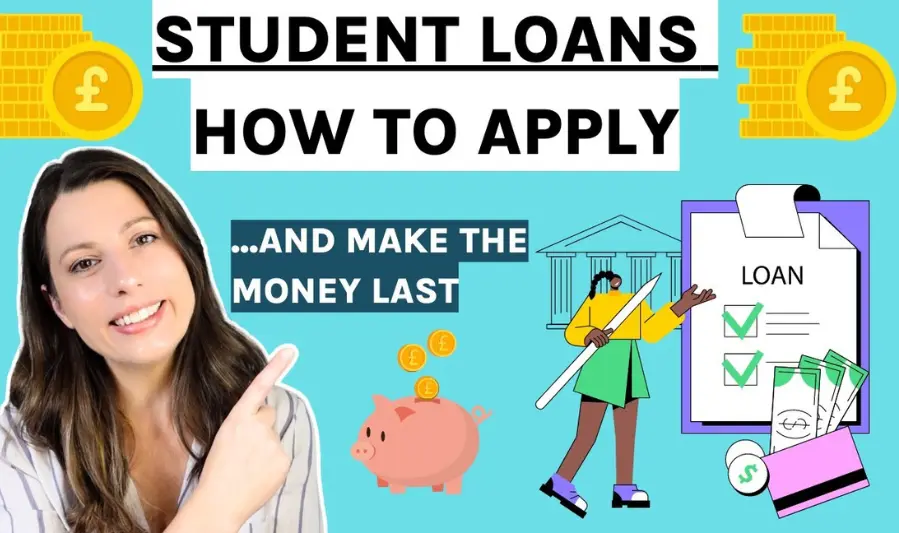
- Research Available Loan Options
Compare government-backed programs, bank loans, and private/fintech lenders to find the best interest rates, repayment terms, and eligibility requirements. - Prepare Required Documents
Gather necessary documents such as proof of enrollment, valid IDs, co-signer information, and proof of financial need (if applicable). - Submit Your Application
Applications can typically be submitted online through bank or government portals or in-person at the lending institution. Ensure all forms are complete and accurate to avoid delays. - Wait for Approval
Lenders may verify your enrollment, income (or co-signer’s income), and credit history. Approval timelines vary depending on the lender type. - Receive Funds
Once approved, the loan is usually released directly to the school to cover tuition and fees. Some programs may also provide allowances for books and living expenses.
Following these steps helps ensure a smooth and timely loan application process.
Tips for Managing Your Student Loan
- Borrow Only What You Need: Avoid taking more than necessary to minimize interest and future repayment burden.
- Track Loan Balance and Interest: Keep a record of the principal, accrued interest, and payment schedule to stay on top of your debt.
- Start Repayment Planning Early: Even while studying, create a plan for how you’ll manage repayments after graduation.
- Explore Scholarships or Grants: Apply for additional financial aid to reduce the amount you need to borrow and lower your overall debt.
These practices help ensure responsible borrowing and make repayment more manageable in the long term.
you may also like to read these posts:
Phát triển kỹ năng nghề thủ công
Mundo ng Bukas: Ang Papel ng Inobasyon sa Pag-unlad
Smart Budget Planning for Families: A Practical Guide to Financial Harmony
Common Mistakes to Avoid
- Borrowing More Than Necessary: Taking excess funds increases debt and interest burden unnecessarily.
- Ignoring Repayment Plans: Failing to plan for repayment can lead to missed payments and financial stress after graduation.
- Missing Deadlines: Late payments can result in penalties, higher interest, and a negative impact on credit score.
- Failing to Understand Loan Terms and Interest Rates: Not knowing the repayment schedule, interest calculation, or fees can lead to surprises and difficulties in managing the loan.
Avoiding these mistakes helps ensure your student loan remains a helpful tool rather than a financial burden.
Faqs:
Can I get a student loan without a co-signer?
Most banks and lenders require a co-signer, especially if you are under 21 or have no stable income. Some government programs may have exceptions.
Which government student loans are available in the Philippines?
Programs like the SSS Student Loan Program and CHED Student Loan Program offer financial assistance to enrolled students, often with lower interest rates and flexible repayment terms.
Can private banks provide loans for tuition only?
Yes, many banks like BDO, BPI, and Metrobank offer loans that cover tuition, fees, and sometimes school-related expenses. Some may require collateral or a co-signer.
How long does student loan approval take?
Approval times vary: banks usually take 3–7 days, while government loans may take several weeks depending on documentation and verification.
How can I repay my student loan while still studying?
Some programs allow deferred repayment until after graduation, but you can also start small installment payments or create a savings plan to reduce interest and manage debt responsibly.
Conclusion
Student loans can be an essential tool for funding education in the Philippines when used responsibly. By understanding the different loan options, meeting eligibility requirements, and planning for repayment, students can focus on their studies without financial stress.
Responsible borrowing, timely repayment, and exploring additional funding options such as scholarships will help you manage debt effectively and build a strong financial foundation for the future.