
Introduction
Getting a loan with bad credit in the Philippines can be challenging. Many traditional lenders rely heavily on credit history, making it harder for borrowers with past missed payments or defaults to access financing.
However, understanding your options and planning ahead can help you secure a loan responsibly. This guide aims to help borrowers with bad credit navigate available loan options, improve their approval chances, and manage repayments wisely.
By following practical steps and being informed, even those with less-than-perfect credit can access the funds they need without falling into financial trap
What is Bad Credit?
Bad credit refers to a poor credit history or low credit score that indicates a higher risk of not repaying loans on time. Lenders use credit information to determine whether a borrower is reliable and to set interest rates accordingly.
Common Causes of Bad Credit
- Late Payments: Consistently missing due dates on loans, credit cards, or bills.
- Defaults: Failing to pay back loans in full.
- High Debt Levels: Owing large amounts relative to your income or credit limit.
How Lenders Evaluate Risk
- Credit scores and history are key factors in loan approval.
- A low credit score signals higher risk, which may lead to:
- Loan denial
- Higher interest rates
- Stricter repayment terms
Understanding your credit situation is the first step toward responsible borrowing and improving loan approval chances, even with a bad credit history.
Check Your Credit Report
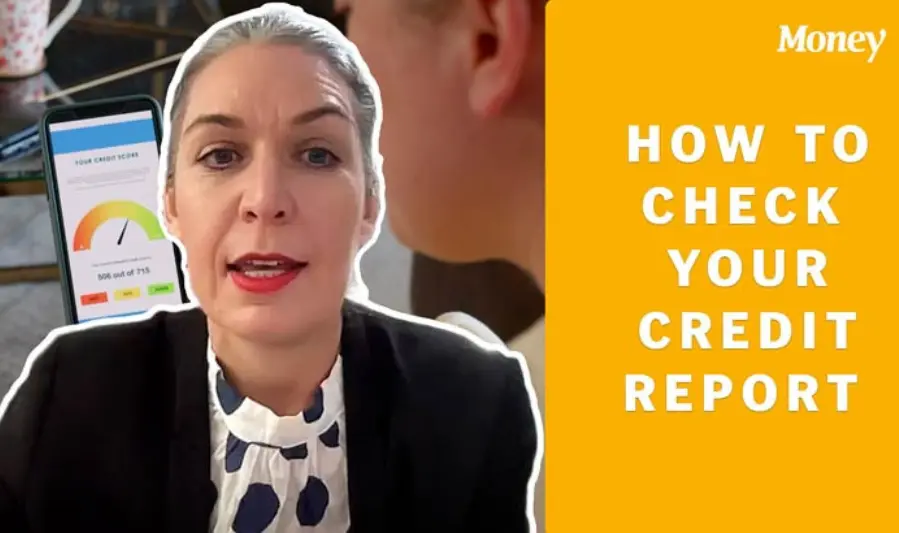
Before applying for a loan, it’s important to know your credit standing. Reviewing your credit report helps you understand your current score, identify issues, and plan your next steps.
How to Obtain a Credit Report in the Philippines
- Credit Information Corporation (CIC): The central credit bureau where you can request your credit report.
- Banks and Lending Institutions: Many banks provide access to your credit information upon request.
- Online Services: Some financial platforms allow you to check your credit score or report digitally.
Why Reviewing Your Credit Report Matters
- Identify Errors or Inaccuracies: Mistakes in your report can unfairly lower your score. Dispute incorrect entries to improve your record.
- Understand Your Credit History: Knowing past defaults, late payments, and outstanding debts helps you plan responsible borrowing.
- Prepare for Loan Applications: Being aware of your score helps you choose lenders more likely to approve your application.
Regularly checking your credit report is a key step in managing your finances and improving your chances of getting approved, even with a challenging credit history.
Loan Options for Bad Credit Borrowers
Even with bad credit, there are loan options available in the Philippines that can help you access funds responsibly.
1. Secured Loans
- Require collateral such as a car, property, or valuable assets.
- Collateral reduces lender risk, making approval easier even with poor credit.
2. Government-Backed Loans
- Programs from SSS, Pag-IBIG, and DTI often have more flexible eligibility requirements.
- Lower interest rates and longer repayment terms are common advantages.
3. Online/Fintech Loans
- Platforms like Cashalo, Tala, and GCash Loan provide fast approval for low-credit applicants.
- Generally offer smaller amounts but are easier and quicker to access.
4. Co-Signed Loans
- Involve a co-signer with good credit to vouch for the borrower.
- Improves approval chances and may result in better interest rates.
5. Small Personal Loans
- Smaller loan amounts are easier to get approved.
- Suitable for short-term needs while you work on improving your credit history.
Choosing the right loan type depends on your financial needs, repayment ability, and willingness to provide collateral or a co-signer.
Preparing Your Loan Application
A well-prepared application increases your chances of approval, even if your credit history is less than perfect.
Essential Documents
- Valid IDs: Government-issued IDs such as passport, driver’s license, or UMID.
- Proof of Income: Payslips, bank statements, or business permits for self-employed applicants.
- Tax Identification Number (TIN): Required by most lenders.
- Proof of Residence: Utility bills or lease agreements to confirm your address.
Tips for Organized and Accurate Submission
- Double-check all information for accuracy to avoid delays or rejection.
- Submit complete documentation in the format requested by the lender.
- Keep copies of all documents for your records.
Strengthening Your Application
- Collateral: Offering assets as security can improve approval chances and potentially lower interest rates.
- Co-Signer: Having a co-signer with good credit reduces the lender’s risk and boosts your credibility.
Proper preparation signals responsibility to lenders, making them more likely to approve your loan even with bad credit.
Tips for Getting Approved with Bad Credit
Securing a loan with bad credit requires careful planning and responsible borrowing. Follow these tips to improve your chances of approval:
- Be Honest in Your Application: Always provide accurate information about your income, employment, and debts.
- Borrow Only What You Need: Avoid overborrowing, which can lead to missed payments and further damage your credit.
- Compare Lenders and Interest Rates: Research multiple lenders to find the best terms and lowest rates.
- Consider a Co-Signer: A co-signer with good credit can increase approval chances and may help secure better rates.
- Plan Your Repayment: Have a realistic repayment plan to avoid late payments, which could worsen your credit situation.
Rebuilding Your Credit
Recovering from bad credit takes time, discipline, and careful financial management. Focus on these key strategies:
1. Make Consistent Payments
- Pay all existing loans, credit cards, and bills on time.
- Consistency demonstrates reliability to lenders and gradually improves your credit score.
2. Gradually Pay Off Existing Debts
- Prioritize high-interest debts first.
- Reducing your overall debt load strengthens your financial profile.
3. Avoid Multiple Loan Applications at Once
- Each application can slightly lower your credit score.
- Apply only when necessary and after evaluating your borrowing capacity.
4. Monitor and Correct Your Credit Report
- Regularly check your credit report for errors or outdated information.
- Dispute inaccuracies promptly to ensure your credit history reflects your true financial behavior.
Rebuilding credit is a step-by-step process, but with discipline and careful planning, you can regain borrowing power and access better loan options in the future.
you may also like to read these posts:
Phát triển kỹ năng nghề thủ công
Mundo ng Bukas: Ang Papel ng Inobasyon sa Pag-unlad
Smart Budget Planning for Families: A Practical Guide to Financial Harmony
Common Mistakes to Avoid
When applying for loans with bad credit, avoiding pitfalls is essential to prevent further financial strain:
- Borrowing Without Understanding Loan Terms: Always read and understand the interest rate, repayment schedule, and penalties before signing.
- Providing Inaccurate or Incomplete Information: Errors or omissions can lead to delays or outright rejection.
- Overborrowing: Taking more than you can repay increases the risk of default and worsens your credit.
- Missing Repayment Deadlines: Late payments damage your credit history and may incur additional fees.
- Ignoring Interest Rates and Hidden Fees: Compare lenders carefully to avoid paying excessive costs.
Being aware of these mistakes helps you borrow responsibly and gradually rebuild your credit.
Faqs:
Can I get a loan with bad credit in the Philippines?
Yes, it is possible. While traditional banks may be strict, fintech companies, government-backed programs, and secured loans often accept applicants with bad credit.
Which lenders are best for bad credit borrowers?
Lenders that specialize in personal loans for low-credit borrowers, online/fintech lenders, and government agencies like Pag-IBIG or SSS are usually the best options.
Are secured loans the best option for people with bad credit?
Secured loans, backed by collateral such as a car or property, are easier to get approved because they reduce the lender’s risk.
How can a co-signer help me get a loan with bad credit?
A co-signer with good credit can increase your chances of approval and sometimes help secure lower interest rates, as the lender sees reduced risk.
How can I improve my credit while repaying a loan?
Make timely payments, avoid overborrowing, and monitor your credit report for errors. Responsible repayment gradually boosts your credit score and improves future loan eligibility.
Conclusion
Having bad credit doesn’t mean you’re out of options. By understanding your financial situation, exploring suitable loan types, and preparing a strong application, bad credit borrowers can still access the funds they need.
Responsible borrowing, timely repayment, and careful financial planning not only help meet immediate needs but also pave the way to improving your credit score and unlocking better financial opportunities in the future.