
Introduction
A personal loan is a type of unsecured loan that allows individuals to borrow money from a bank or financial institution for personal use. Unlike a mortgage or car loan, it does not require collateral, making it a flexible financial tool for various needs.
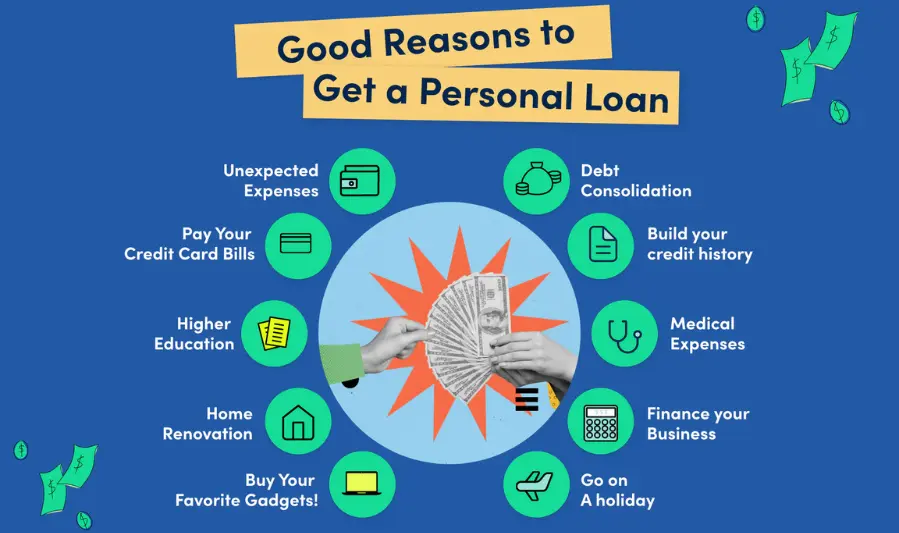
In the Philippines, personal loans are popular for purposes such as:
- Covering emergency expenses like medical bills
- Funding personal projects such as home renovations or education
- Consolidating existing debts to simplify payments and potentially lower interest rates
This guide aims to help readers understand personal loans, assess their suitability, and navigate the application process safely, so they can make informed financial decisions without unnecessary risks.
What is a Personal Loan?
A personal loan is a type of loan that allows an individual to borrow a fixed amount of money from a bank or financial institution for personal use. It is usually unsecured, meaning it does not require collateral, though some personal loans can be secured with assets.
Secured vs. Unsecured Loans
- Secured Loans: Require collateral, such as a car or property. Often have lower interest rates because the lender can claim the collateral if you fail to repay.
- Unsecured Loans: Do not require collateral. Easier to obtain but usually come with higher interest rates due to increased risk for the lender.
Key Features of Personal Loans
- Fixed Loan Amount: You borrow a specific sum agreed upon at the start of the loan.
- Repayment Term: Loans are repaid in regular installments over a set period, typically ranging from 6 months to 5 years.
- Interest Rates: Can be fixed or variable; this determines the cost of borrowing. Rates may vary depending on the borrower’s credit profile and the lender’s policies.
This section gives readers a clear understanding of what personal loans are and how they differ from other types of loans.
Why Take a Personal Loan?
Personal loans can be a convenient way to meet financial needs, but it’s important to understand their uses, benefits, and risks.
Common Purposes
People often take personal loans for:
- Emergency expenses: Medical bills, urgent repairs, or unexpected costs
- Debt consolidation: Paying off multiple high-interest debts and simplifying repayments
- Home improvement: Renovations or repairs that improve living conditions
- Education: Tuition fees, workshops, or courses for personal or professional growth
Benefits of Personal Loans
- Quick access to funds for urgent or planned needs
- Flexible use of funds without strict restrictions
- Fixed repayment schedule helps with budgeting
- Can improve credit score if repaid responsibly
Risks of Personal Loans
- High-interest rates, especially for unsecured loans or borrowers with low credit scores
- Late or missed payments can result in penalties and negative credit impact
- Overborrowing can lead to financial strain
Importance of Responsible Borrowing
- Only borrow what you can afford to repay within your budget
- Compare interest rates and fees from multiple lenders
- Plan your repayment schedule carefully to avoid debt traps
Types of Personal Loans in the Philippines
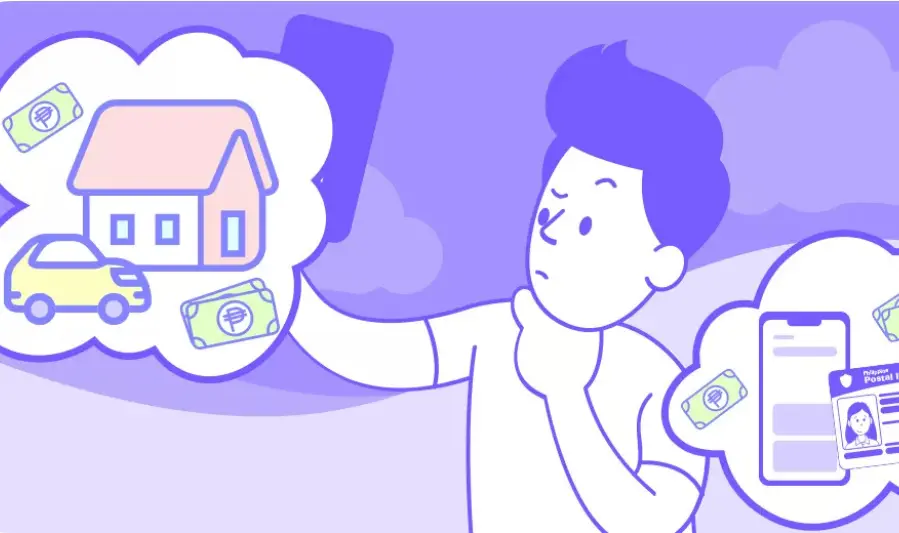
Personal loans in the Philippines come in various forms depending on the lender, loan amount, and purpose. Understanding the types can help you choose the most suitable option.
1. Bank Personal Loans
Overview
Major banks like BDO, BPI, Metrobank, and Security Bank offer personal loans with competitive interest rates and flexible repayment terms.
Features
- Interest Rates: Typically range from 8% to 18% per year, depending on the bank and borrower profile
- Repayment Terms: Usually 12 to 60 months
- Eligibility: Requires proof of income, employment, and good credit standing
Ideal For
Individuals who need larger loan amounts and prefer dealing with established financial institutions.
2. Government-Backed Loans
Common Programs
- Pag-IBIG Multi-Purpose Loan (MPL): For home improvements, education, or emergencies
- SSS Salary Loan: For SSS members needing quick access to funds
Benefits
- Lower interest rates compared to commercial banks
- Faster approval for qualified applicants
- Can be more accessible for employees and Pag-IBIG/SSS members
Ideal For
Those looking for affordable loans with government support and straightforward application processes.
3. Online/Fintech Personal Loans
Popular Apps
- Cashalo, Tala, GCash Loan
Features
- Fast approval: Often within minutes to a few hours
- Smaller loan amounts: Typically from ₱1,000 to ₱50,000
- Minimal requirements: Usually just a valid ID, proof of income, and mobile phone verification
Ideal For
Individuals who need quick, small-scale loans without going to a bank, especially for urgent or short-term needs.
Conclusion
Choosing the right type of personal loan depends on your financial need, repayment ability, and preference for traditional or digital lenders. Understanding the differences helps you borrow safely and avoid unnecessary costs.
Requirements for Personal Loans
Before applying for a personal loan, it’s important to gather the necessary documents and ensure you meet the lender’s eligibility criteria. This can speed up approval and reduce processing issues.
Common Documentation
Most lenders require:
- Proof of Income: Payslips, Certificate of Employment, or bank statements to show you can repay the loan
- Valid Identification: Government-issued IDs such as Driver’s License, Passport, or UMID
- Proof of Residence: Utility bills, lease agreements, or other documents verifying your address
Age Requirements
- Typically, applicants should be 21 to 65 years old at the time of application
- Some lenders may have additional age restrictions depending on loan terms
Credit Score and Employment Checks
- Banks and formal lenders usually check your credit history to assess risk
- Employment verification ensures you have a stable source of income to repay the loan
- Fintech or online lenders may have more flexible criteria but still assess repayment capacity
Tips to Prepare Documents and Avoid Delays
- Double-check all documents for accuracy and validity
- Prepare digital copies if applying online to save time
- Ensure your employment and income records are up to date
- Respond promptly to additional requests from the lender
you may also like to read these posts:
Phát triển kỹ năng nghề thủ công
Mundo ng Bukas: Ang Papel ng Inobasyon sa Pag-unlad
Smart Budget Planning for Families: A Practical Guide to Financial Harmony
How to Apply for a Personal Loan
Applying for a personal loan can be straightforward if you follow a systematic approach. Here’s a step-by-step guide for beginners:
Step 1: Check Your Eligibility
- Verify that you meet the lender’s age, income, and employment requirements
- Check your credit score if applying with a bank or traditional lender
- Ensure you have all necessary documents ready
Step 2: Compare Lenders
- Look at interest rates, fees, loan amounts, and repayment terms
- Compare banks, government-backed loans, and online/fintech lenders
- Choose a lender that fits your budget and loan purpose
Step 3: Prepare Your Documents
- Collect required items such as valid ID, proof of income, proof of residence, and employment verification
- Ensure documents are up-to-date and accurate
- For online applications, prepare digital copies for faster submission
Step 4: Submit Your Application
- Bank Applications: Visit a branch or submit online via the bank’s website
- Online/Fintech Applications: Complete the form in the app, upload documents, and wait for verification
- Provide accurate information to avoid delays
Step 5: Receive Approval and Funds
- Lenders may approve your loan within a few hours to a few days, depending on type
- Funds are usually disbursed via bank transfer or check
- Review loan terms carefully before accepting
Differences Between Online and Bank Applications
| Feature | Bank Loans | Online/Fintech Loans |
|---|---|---|
| Application Process | Formal, may require branch visit | Entirely digital, via app or website |
| Approval Time | Usually 1–7 days | Often within minutes to 24 hours |
| Loan Amount | Generally higher | Usually smaller amounts |
| Requirements | Stricter, detailed documentation | More flexible, minimal documentation |
Tips for Borrowing Safely
Taking a personal loan can be helpful, but it’s important to borrow responsibly to avoid financial stress.
1. Borrow Only What You Can Repay
- Assess your monthly budget before applying
- Ensure loan payments won’t compromise essential expenses
- Avoid overborrowing for non-essential purposes
2. Read the Fine Print Carefully
- Check interest rates, fees, repayment terms, and penalties
- Understand all loan conditions before signing
- Ask the lender questions if anything is unclear
3. Avoid Multiple Simultaneous Loans
- Taking multiple loans increases the risk of missing payments
- Focus on repaying one loan at a time before applying for another
4. Track Your Repayment Schedule
- Set reminders for monthly payments to avoid late fees
- Consider automatic deductions from your bank account if possible
- Keep records of payments for future reference
5. Prefer Government-Backed or Bank Loans for Lower Risk
- Loans from Pag-IBIG, SSS, and reputable banks usually have:
- Lower interest rates
- Clear repayment terms
- Stronger consumer protection
Faqs:
What is the minimum requirement to apply for a personal loan in the Philippines?
Most lenders require a valid ID, proof of income, proof of residence, and that the borrower is 21–65 years old. Some banks may also check your credit history.
How much can I borrow with a personal loan?
The loan amount depends on your income, lender, and repayment capacity. Bank loans typically range from ₱10,000 to several million pesos, while online/fintech loans usually offer smaller amounts.
How long does it take to get approved?
Bank loans usually take 1–5 business days, while online/fintech loans can approve applications within minutes to a day. Approval speed depends on the lender and completeness of documents.
What are the interest rates for personal loans in the Philippines?
Interest rates vary depending on the lender and loan type, typically ranging from 1% to 3% per month. Government-backed loans like Pag-IBIG MPL or SSS Salary Loans often have lower rates.
Can personal loans affect my credit score?
Yes. Timely repayment improves your credit score, while late payments or defaults negatively impact your credit record, making it harder to borrow in the future.
Conclusion
Personal loans in the Philippines can be a helpful financial tool when used responsibly. Whether you choose a bank loan, government-backed loan, or online/fintech loan, understanding the requirements, interest rates, and repayment terms is key to making informed decisions.
Always borrow only what you need, compare lenders, and repay on time to avoid financial stress. With careful planning and responsible borrowing, personal loans can support your financial goals and provide the funds you need for emergencies, projects, or debt consolidation.