
Introduction
Buying your first home is both exciting and challenging. It marks a major milestone, offering the security and independence of owning your own space—but it also comes with financial responsibilities and important decisions.
For most first-time buyers, a home loan (or mortgage) is a key tool that makes homeownership possible. Understanding how home loans work—including interest rates, repayment terms, and eligibility requirements—is essential to avoid mistakes and make informed decisions.
This guide is designed to help first-time homebuyers in the Philippines navigate the loan process safely and efficiently, so you can confidently take the first step toward owning your dream home.
What is a Home Loan?
A home loan, also known as a mortgage, is a type of loan that allows individuals to borrow money from a bank or financial institution to purchase a house or condominium. The property itself typically serves as collateral, meaning the lender can claim it if the borrower fails to repay the loan.
Secured vs. Unsecured Loans
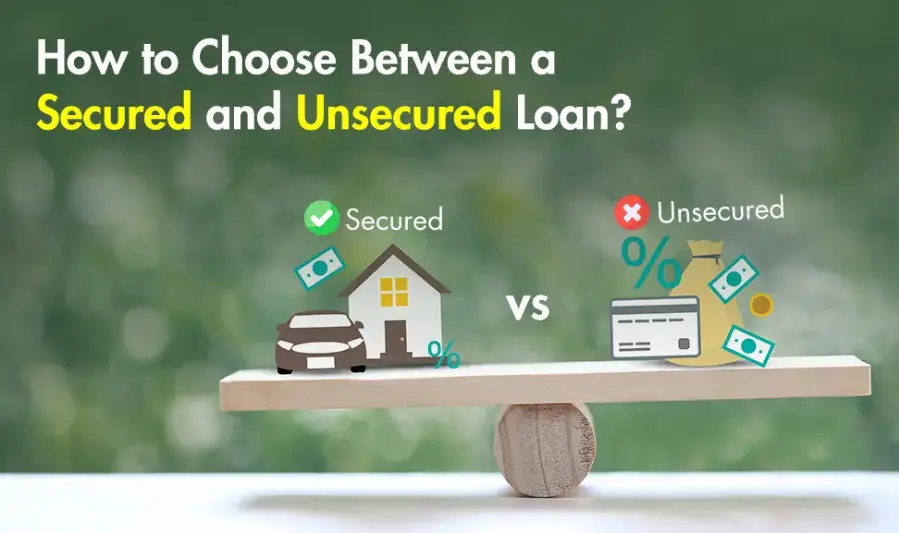
- Secured Loans (Mortgage):
- Require collateral, usually the property being purchased
- Generally have lower interest rates because the lender has security
- Most common for home purchases
- Unsecured Loans:
- Do not require collateral
- Usually have higher interest rates
- Rarely used for buying homes due to large amounts needed
Key Features of Home Loans
- Loan Amount: Based on the property’s value, the borrower’s income, and the lender’s policies
- Interest Rates: Can be fixed (constant over time) or variable (changes with market conditions)
- Repayment Terms: Typically 5 to 30 years, with monthly amortizations
Why First-Timers Should Consider a Home Loan
Purchasing your first home can seem overwhelming, but a home loan can make the process more manageable and financially strategic. Here’s why first-time buyers often consider taking a loan:
1. Affordability
- Paying for a property in full upfront can be difficult for most buyers
- Home loans allow you to pay in manageable monthly installments, spreading the cost over several years
2. Wealth-Building
- Real estate can serve as a long-term investment
- Owning property allows you to accumulate equity over time
- Property values in growing areas can appreciate, potentially increasing your net worth
3. Flexible Repayment Options
- Many lenders offer various loan terms and payment plans
- Borrowers can often choose monthly amortization schedules that fit their budget
- Some loans allow early repayments or refinancing to save on interest
4. Access to Government Support
- Programs like Pag-IBIG Fund housing loans provide:
- Lower interest rates compared to commercial banks
- Longer repayment terms (up to 30 years)
- Additional benefits for first-time homebuyers
Types of Home Loans in the Philippines
Choosing the right type of home loan is crucial for first-time buyers. In the Philippines, loans are generally offered by banks, government programs, or directly by property developers.
1. Bank Home Loans
Overview
- Major banks like BDO, BPI, Metrobank, and Security Bank offer home loans with competitive interest rates and flexible repayment terms.
Key Features
- Interest Rates: Typically range from 6% to 12% per year, depending on loan type and borrower profile
- Eligibility Requirements: Proof of income, employment, good credit standing, age between 21–65
- Repayment Terms: Usually 5 to 30 years
Pros
- Established financial institutions provide security and clear terms
- Higher loan amounts available
2. Government-Backed Loans
Overview
- Pag-IBIG Housing Loan is the most common government-backed program for first-time buyers
- Other programs may include special loans for teachers, government employees, or low-income families
Benefits
- Lower interest rates compared to banks
- Longer repayment periods (up to 30 years)
- More accessible for first-time buyers with government benefits
3. In-House or Developer Financing
Overview
- Offered directly by property developers to buyers purchasing their projects
- Often includes shorter loan processing times and smaller initial requirements
Pros and Cons
- Pros: Smaller down payment, faster approval
- Cons: Higher interest rates, shorter repayment terms, less regulated than banks or government loans
Requirements for First-Time Home Loan Applicants
Applying for a home loan requires preparation. Having the necessary documents ready can speed up approval and make the process smoother.
1. Valid Government-Issued ID
- IDs such as Passport, Driver’s License, UMID, SSS ID, or PRC License
- Must be current and not expired
2. Proof of Income
- For salaried employees: payslips (typically 2–3 months), Certificate of Employment, and bank statements
- For self-employed applicants: income tax returns (ITR), audited financial statements, or business registration documents
3. Certificate of Employment or Business Registration
- Confirms employment status and length of service
- For business owners: proof of business operation, SEC or DTI registration, and financial statements
4. Tax Identification Number (TIN) and Credit History
- TIN is needed for tax compliance and verification
- Lenders often review credit history to assess repayment capacity
5. Other Supporting Documents
- Proof of billing address (utility bills)
- Marriage certificate (if applicable for co-borrowers)
- Additional documents as required by banks or government lenders
Tips to Prepare Documents and Avoid Delays
- Organize all documents in advance and keep both hard and digital copies
- Ensure all IDs and certificates are up-to-date
- Double-check all financial statements for accuracy
- Respond promptly to additional requests from the lender
How to Apply for a Home Loan
Applying for a home loan can feel overwhelming for first-time buyers, but following a step-by-step process makes it manageable.
Step 1: Check Eligibility and Set Your Budget
- Determine how much you can afford based on income, expenses, and existing debt
- Check eligibility requirements for different lenders (banks, Pag-IBIG, or developers)
- Use online mortgage calculators to estimate monthly amortization
Step 2: Prepare Required Documents
- Gather valid IDs, proof of income, employment certificates, TIN, credit history, and other supporting documents
- Organize documents in both physical and digital copies to avoid delays
Step 3: Compare Lenders and Loan Options
- Evaluate interest rates, repayment terms, fees, and additional benefits
- Consider bank, government-backed, and developer financing options to find the best fit
Step 4: Submit Your Application
- Banks: Submit application at the branch or online portal
- Government (Pag-IBIG): Apply online or at a branch, follow Pag-IBIG loan procedures
- Developer Financing: Submit application directly to the developer’s financing office
Step 5: Loan Processing and Verification
- Lender reviews documents, credit history, and income
- Property appraisal may be conducted to determine value
- Bank or lender may request additional documents if needed
Step 6: Loan Approval and Signing of Agreement
- Once approved, carefully review the loan terms including interest rates, amortization, and penalties
- Sign the loan agreement or mortgage contract
Step 7: Fund Release and Property Handover
- Approved loan funds are released to the seller or developer
- Ownership transfer and property registration follow the lender’s guidelines
Differences Between Bank, Government, and Developer Processes
| Feature | Bank Loans | Government Loans (Pag-IBIG) | Developer Financing |
|---|---|---|---|
| Application | Branch or online | Branch or online | Direct with developer |
| Processing Time | 1–4 weeks | 2–6 weeks | 1–2 weeks |
| Requirements | Stricter, full documentation | Less stringent, for first-time buyers | Minimal documentation |
| Interest Rates | Competitive | Lower than banks | Usually higher than banks |
| Loan Amount | Higher | Moderate | Depends on property |
Interest Rates and Fees
Understanding interest rates and fees is essential before committing to a home loan, as these determine the total cost of your property.
1. Typical Interest Rates
- In the Philippines, home loan interest rates generally range from 5% to 9% per year
- Rates can be:
- Fixed: Stay the same throughout the loan term
- Variable: Change based on market conditions or lender benchmarks
- Choosing the right type affects monthly amortization and long-term repayment
2. Other Fees to Consider
- Processing Fees: One-time fee for loan application, usually 0.25%–1% of the loan amount
- Appraisal Fees: Cost of property valuation, required by lenders
- Insurance: Fire and mortgage redemption insurance may be required
- Notarial Fees: For legal documents and loan contract notarization
3. Tips for Calculating Total Repayment
- Monthly amortization: Use online mortgage calculators to estimate payments
- Add fees and insurance: Consider all extra costs to know the true loan burden
- Compare lenders: Look at effective interest rate (EIR), not just nominal rates, for a more accurate comparison
you may also like to read these posts:
Phát triển kỹ năng nghề thủ công
Mundo ng Bukas: Ang Papel ng Inobasyon sa Pag-unlad
Smart Budget Planning for Families: A Practical Guide to Financial Harmony
Tips for First-Time Home Loan Borrowers
Taking out a home loan is a big financial commitment. These tips can help first-time buyers borrow responsibly and safely:
1. Save for a Higher Down Payment
- A larger down payment reduces the loan amount and monthly amortization
- Helps lower interest rates and improve loan approval chances
2. Compare Multiple Lenders and Loan Packages
- Don’t settle for the first offer
- Compare interest rates, repayment terms, fees, and benefits
- Consider banks, government programs, and developer financing to find the best fit
3. Maintain a Good Credit Score
- A good credit history increases approval chances and may secure lower interest rates
- Avoid late payments on existing debts before applying for a home loan
4. Plan for Emergencies
- Ensure you have an emergency fund to cover at least 3–6 months of loan payments
- Helps prevent defaulting on your mortgage during unexpected financial challenges
5. Consider Government-Backed Programs
- Programs like Pag-IBIG Fund housing loans often offer:
- Lower interest rates
- Longer repayment terms
- Special benefits for first-time homebuyers
Common Mistakes to Avoid
Taking out your first home loan can be exciting, but mistakes can be costly. Here are some common pitfalls to watch out for:
1. Overborrowing Beyond Your Budget
- Borrowing more than you can comfortably repay leads to financial stress
- Ensure monthly amortizations fit within your income and lifestyle
2. Ignoring Hidden Fees
- Beyond interest, loans may include processing fees, appraisal fees, insurance, and notarial charges
- Factor all costs into your budget to avoid surprises
3. Not Reading Loan Agreements Thoroughly
- Carefully review terms and conditions, including interest type, repayment schedule, penalties, and early settlement policies
- Misunderstanding the contract can lead to unexpected financial obligations
4. Failing to Plan for Unexpected Expenses
- Emergencies such as medical bills or temporary income loss can affect repayment
- Maintain an emergency fund to cover 3–6 months of loan payments
Faqs:
What is the minimum requirement to apply for a home loan in the Philippines?
Most lenders require a valid government ID, proof of income, TIN, and proof of residence. Employment history and credit standing are also considered. Government-backed loans like Pag-IBIG require membership.
How much can first-time buyers borrow for a home loan?
The loanable amount depends on your income, credit score, and the lender’s guidelines. Banks usually provide higher amounts than developer financing or government loans, but eligibility varies.
What are the typical interest rates for home loans?
Interest rates for home loans in the Philippines usually range from 5% to 9% per year, depending on the lender, loan type, and your financial profile. Government-backed loans often offer lower rates.
How long does it take to get a home loan approved?
Bank loans typically take 2–4 weeks, while government-backed loans may take slightly longer. Developer or in-house financing can vary but sometimes offers faster approval.
Can first-time buyers get a home loan with a small down payment?
Yes, but the loanable amount and monthly amortization may be higher. Programs like Pag-IBIG Housing Loan and some developer financing options allow lower down payments for first-time buyers.
Conclusion
Buying your first home can be an exciting yet challenging journey, and a well-planned home loan is key to making it achievable. By understanding the different types of loans, preparing the necessary documents, and comparing interest rates and repayment terms, first-time buyers can secure a loan that fits their budget and financial goals.
Always borrow responsibly, plan your finances carefully, and explore government-backed programs for better rates. With proper planning, homeownership can become a reality and a valuable long-term investment for your future.