

Introduction
Loans play an important role in helping Filipinos achieve their financial goals, whether it’s funding a business, covering emergency expenses, buying a home, or supporting education. Access to credit allows individuals and entrepreneurs to manage cash flow and make large financial steps more achievable.
However, many Filipinos face challenges when applying for loans—including strict eligibility requirements, limited credit history, and the complexity of comparing different lenders. These barriers can make borrowing intimidating, especially for first-time applicants.
This guide aims to help readers understand the loan application process step-by-step, from choosing the right type of loan to preparing requirements and managing repayments responsibly. With the right knowledge, borrowers can make informed financial decisions and avoid common mistakes.
What is a Loan?
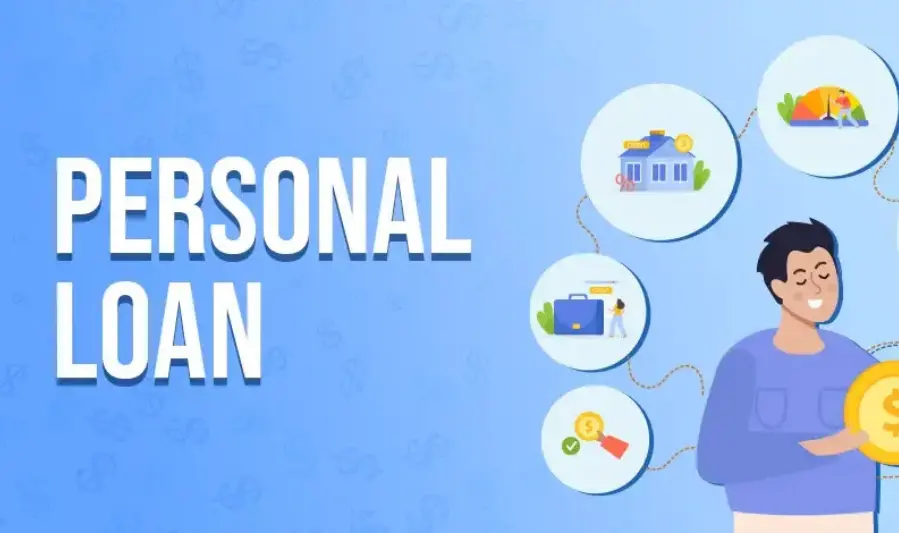
A loan is a financial agreement where a borrower receives money from a lender—such as a bank, government agency, or financing company—with the promise to repay the amount over time, usually with interest. Loans are commonly used to fund personal needs, business operations, or major purchases that can’t be paid in full upfront.
How Loans Work
Every loan involves three key components:
- Principal: The original amount borrowed
- Interest: The cost of borrowing, usually expressed as a percentage of the principal
- Repayment: The process of paying back the loan in fixed or flexible installments over an agreed period
Borrowers repay the loan according to a schedule set by the lender, which may include monthly or quarterly payments. The total repayment includes both the principal and accumulated interest.
Common Types of Loans in the Philippines
- Personal Loan
- Used for emergencies, education, travel, or debt consolidation
- Usually unsecured (no collateral required) but with higher interest rates
- Home Loan
- Used to buy, build, or renovate a property
- Often secured by the property itself as collateral
- Auto Loan
- Designed for purchasing a new or used vehicle
- The car serves as collateral until the loan is fully paid
- Business Loan
- Helps entrepreneurs fund operations, expansion, or equipment purchases
- May be secured or unsecured depending on the lender and business size
- Government-Backed Loan
- Offered by agencies like Pag-IBIG, SSS, or DTI–SB Corp
- Typically features lower interest rates and flexible repayment options for qualified borrowers
Step 1: Check Your Eligibility
Before applying for a loan, it’s essential to check if you meet the lender’s basic requirements. This helps you save time, improve approval chances, and avoid unnecessary credit inquiries that may affect your credit score.
General Borrower Requirements
While requirements may vary by lender, most banks and financing institutions in the Philippines typically require borrowers to:
- Be a Filipino citizen (some allow foreign residents with valid visas)
- Be 21 to 65 years old at the time of application or loan maturity
- Have stable employment or business income
- Earn at least the minimum monthly income set by the lender (varies by loan type)
- Have a good credit history with no major unpaid debts or defaults
Importance of Income Stability and Credit History
- Income stability assures lenders that you can make regular payments without financial strain.
- A positive credit history shows that you’ve handled past loans or credit cards responsibly.
- Lenders often check your credit score through institutions like the Credit Information Corporation (CIC) to assess risk.
Why Eligibility Checks Matter
Checking eligibility before applying helps you:
- Avoid rejection, which can negatively impact your credit record
- Identify suitable lenders based on your income, employment status, and credit rating
- Prepare requirements ahead of time for faster processing
Step 2: Prepare the Required Documents
Once you’ve confirmed that you’re eligible, the next step is to prepare all the necessary documents. Having complete and updated paperwork can significantly speed up the approval process and show lenders that you’re a reliable borrower.
Commonly Required Documents
Most lenders in the Philippines—banks, government agencies, or fintech providers—will ask for the following:
- Valid Government-Issued IDs
- Examples: Passport, Driver’s License, UMID, PhilID, or Voter’s ID
- Make sure the ID is valid and not expired
- Proof of Income
- For employed individuals: latest pay slips (1–3 months) or Income Tax Return (ITR)
- For self-employed individuals: DTI/SEC registration, audited financial statements, or bank statements showing consistent cash flow
- Proof of Residence or Billing
- Utility bills (electricity, water, or internet) showing your name and address
- Used to verify your place of residence
- Certificate of Employment or Business Permits
- Certificate of Employment (COE) for employees to confirm job status and income
- Barangay, Mayor’s, or Business Permit for entrepreneurs and freelancers
- Tax Identification Number (TIN) and Bank Statements
- Your TIN is required for credit and identity verification
- Bank statements (3–6 months) help lenders assess your financial activity and repayment capacity
Tips to Organize and Update Documents
- Keep scanned and hard copies of all important documents in one folder
- Check that all information is accurate and consistent across documents
- Update expired IDs or outdated permits before applying
- For online applications, make sure all scanned copies are clear and readable
Choose the Right Lender
Selecting the right lender is crucial to getting a loan that fits your needs. Each type of lender has different interest rates, approval processes, and requirements, so understanding these differences helps you make a smart choice.
Comparison Between Different Lenders
1. Banks
- Pros:
- Lower interest rates than most alternatives
- Longer repayment terms and larger loan amounts
- Regulated, reputable institutions
- Cons:
- Strict eligibility requirements
- Lengthy approval and documentation process
2. Government Agencies (SSS, Pag-IBIG, DTI)
- Pros:
- Lower interest rates
- Longer processing and repayment terms
- Programs designed to support Filipinos (e.g., SSS Salary Loan, Pag-IBIG Multi-Purpose Loan)
- Cons:
- Slower approval process
- Loan purposes may be restricted depending on the program
3. Online/Fintech Lenders
- Pros:
- Fast approval, sometimes within 24 hours
- Minimal documentation required
- Convenient online application process
- Cons:
- Higher interest rates
- Smaller loan amounts
- Need to verify legitimacy to avoid scams
How to Research and Compare Lenders
- Check interest rates and fees – Consider the total cost of the loan, not just the monthly payment.
- Compare repayment terms – Shorter terms mean higher monthly payments but less total interest.
- Assess credibility – Verify if the lender is licensed by the Bangko Sentral ng Pilipinas (BSP) or SEC for online lenders.
- Read reviews and testimonials – Look for feedback on approval speed, customer service, and transparency.
Submit Your Loan Application
Once you’ve chosen the right lender and prepared your documents, it’s time to submit your loan application. Accuracy and completeness are essential to ensure a smooth approval process.
Online vs. In-Person Application
Online Application
- Ideal for fintech lenders and digital banks.
- Fill out the application form on the lender’s website or mobile app.
- Upload scanned copies or photos of your required documents.
- Approval is often faster, with notifications sent via email or SMS.
In-Person Application
- Common for traditional banks or government offices.
- Submit hard copies of your documents at the branch.
- May include an interview or credit assessment.
- Good if you prefer personal guidance during the process.
What to Include in Your Loan Application Form
- Personal details: full name, address, contact information
- Employment or business information: company name, position, income, business registration
- Loan details: requested amount, purpose of the loan, repayment term
- Supporting documents: IDs, proof of income, residence, TIN, and other lender-specific documents
Tips to Avoid Errors or Delays
- Double-check that all information matches your documents.
- Fill out every required field; use “N/A” if something doesn’t apply.
- Ensure uploaded documents are clear and legible.
- Respond promptly if the lender requests additional information or clarifications.
Wait for Loan Approval
After submitting your application, the lender will review your information to determine your eligibility. This step involves verification, assessment, and sometimes follow-up, so patience is key.
Typical Approval Timelines
| Lender Type | Average Approval Time | Notes |
|---|---|---|
| Banks | 3–10 business days | May take longer for large loan amounts or incomplete documentation |
| Government Agencies (SSS, Pag-IBIG, DTI) | 1–3 weeks | Requires thorough verification of documents and eligibility |
| Online/Fintech Lenders | 24–48 hours | Fastest option; approval is often automated or same-day |
| Cooperatives/Microfinance Institutions | 3–7 days | May include short interviews or visits to business/home |
Why Lenders Verify Income and Credit History
- Income verification ensures you can afford monthly payments.
- Credit history checks assess your past borrowing and repayment behavior.
- Verification may include contacting your employer, bank, or references.
- A good credit record and stable income improve your approval chances and loan terms.
What to Do if Your Loan Is Denied
- Ask for feedback – Understand why your application was rejected.
- Improve your credit score – Pay off debts, avoid missed payments, reduce credit card balances.
- Increase or verify income – Provide updated pay slips or business statements.
- Reassess your loan amount – Apply for a smaller, more manageable loan.
- Reapply later – Once your financial standing improves, you can try again with the same or a different lender.
Receive the Loan and Start Repayment
Once your loan is approved, the next step is receiving the funds and managing repayments responsibly. Proper management ensures you maintain a good credit record and avoid unnecessary fees.
How Funds Are Released
- Bank Transfer: The most common method; funds are directly deposited into your account.
- Check: Some lenders issue a check that you can deposit or cash.
- Cash: Usually offered by microfinance or cooperative lenders.
- Tip: Confirm the release method with your lender and verify the exact amount credited.
Understanding Your Loan Agreement
Before using the funds, review your loan contract carefully:
- Total Amount Borrowed (Principal): The amount you applied for.
- Interest Rate and Charges: Fixed or variable rate, plus any additional fees.
- Repayment Schedule: Monthly amount, due dates, and total number of installments.
- Penalties: Late payment fees or other consequences for missed deadlines.
Tips to Manage Repayments Effectively
- Set up automatic payments if possible, to avoid late fees.
- Track due dates using a calendar, app, or spreadsheet.
- Pay more than the minimum when possible to reduce total interest.
- Maintain an emergency fund to cover payments during unexpected financial changes.
- Communicate with your lender if you anticipate difficulties; some offer payment restructuring.
Tips for a Successful Loan Application
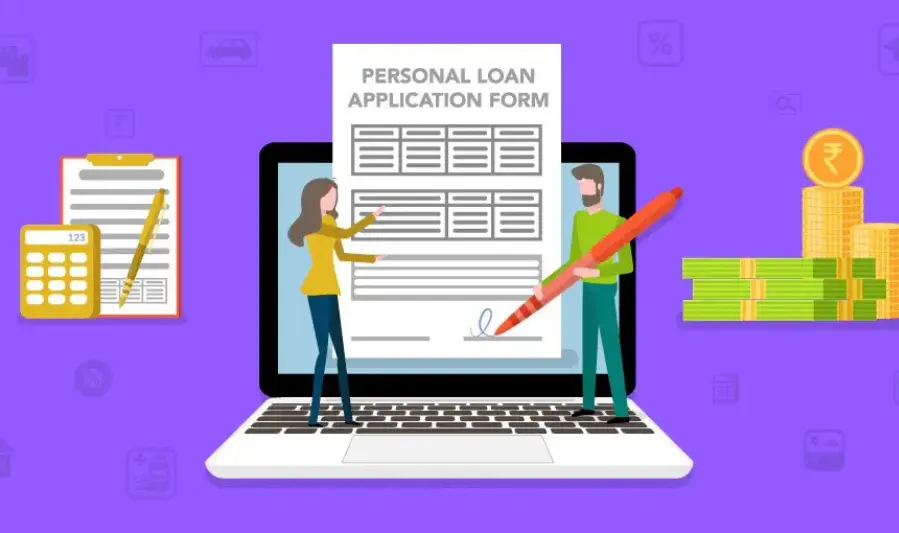
Applying for a loan can be straightforward if you follow best practices. Here are key tips to increase your chances of approval and ensure smooth repayment:
- Borrow Only What You Can Repay
- Assess your budget and income before deciding on a loan amount.
- Avoid overextending yourself to prevent financial stress.
- Keep Your Credit Score Healthy
- Pay existing loans and bills on time.
- Avoid defaulting or missing payments, as this affects eligibility and interest rates.
- Compare Multiple Offers
- Check interest rates, repayment terms, and fees from different lenders.
- Choose the loan that fits your needs while minimizing costs.
- Track All Loan Payments and Deadlines
- Use a calendar, app, or spreadsheet to stay organized.
- Set reminders for due dates to avoid late fees and penalties.
- Avoid Applying for Too Many Loans at Once
- Multiple applications can lower your credit score.
- Focus on one or two lenders that best meet your requirements.
you may also like to read these posts:
Phát triển kỹ năng nghề thủ công
Mundo ng Bukas: Ang Papel ng Inobasyon sa Pag-unlad
Smart Budget Planning for Families: A Practical Guide to Financial Harmony
Common Mistakes to Avoid
Even small errors during the loan process can lead to delays, higher costs, or rejection. Watch out for these common pitfalls:
- Applying Without Comparing Options
- Failing to research different lenders may result in higher interest rates or unfavorable terms.
- Providing Incomplete or Inaccurate Information
- Incorrect details or missing documents can delay approval or lead to rejection.
- Overborrowing
- Taking a loan larger than what you can realistically repay increases financial strain and risk of default.
- Ignoring Hidden Fees or Penalties
- Processing fees, late payment charges, or insurance costs can add up if not considered upfront.
- Missing Repayment Deadlines
- Late payments hurt your credit score and may incur additional fees, making future loans more expensive.
Faqs:
What are the basic requirements to apply for a loan in the Philippines?
To apply for a loan, you typically need valid government-issued IDs, proof of income, proof of residence, and sometimes a Tax Identification Number (TIN). Requirements may vary depending on the lender.
How long does it take to get a loan approved?
Approval times vary by lender: banks usually take 3–7 business days, government agencies may take 1–2 weeks, and online or fintech lenders can approve loans within hours or a day.
Can I apply for a loan without a credit history?
Yes. Some fintech lenders and government-backed programs accept applicants without a formal credit history, though banks usually require a good credit record for approval.
What happens if I miss a loan repayment?
Missing payments may result in late fees, higher interest, and a negative impact on your credit score. It’s crucial to communicate with your lender if you anticipate delays.
Which type of loan is best for first-time borrowers?
For first-time borrowers, personal loans from banks or government-backed loans are recommended because they often have lower interest rates, clearer terms, and manageable repayment plans.
Conclusion
Applying for a loan in the Philippines can be simple and stress-free when you understand the process and prepare the necessary documents. By checking your eligibility, choosing the right lender, and borrowing responsibly, you can access funds to meet personal, business, or emergency needs.
Remember, a loan is a financial commitment — always read the terms carefully, plan your repayments, and maintain a good credit record to ensure financial stability and future borrowing opportunities.