

Introduction
The Importance of Owning a Car for Convenience and Mobility
Owning a car has become increasingly important in today’s fast-paced world. For many Filipinos, having a personal vehicle provides convenience, flexibility, and greater mobility—whether it’s for daily commutes, family trips, or business use.
Benefits of Car Ownership
A car offers independence from public transportation schedules, comfort during travel, and the ability to reach destinations more efficiently. It also enhances productivity and improves one’s quality of life by saving time and reducing travel-related stress.
The Role of Car Loans in Making Vehicle Ownership Accessible
The high cost of purchasing a car outright can be a major challenge for most individuals. This is where car loans play a crucial role. Car loans make vehicle ownership more accessible by allowing buyers to pay for their vehicle through manageable monthly installments instead of a one-time lump sum.
How Car Loans Help Filipinos
Through financing options offered by banks, dealerships, and other lending institutions, more Filipinos can now afford to own a car without straining their finances. Car loans bridge the gap between aspiration and affordability, making vehicle ownership possible for a wider range of consumers.
Purpose of This Guide
The purpose of this guide is to help readers understand the process of getting a car loan in the Philippines—from the basic requirements and application procedures to practical tips for choosing the best financing option.
What Readers Will Learn
By the end of this guide, readers will have a clearer understanding of:
- The steps involved in applying for a car loan
- The requirements and qualifications needed
- The pros and cons of different financing options
- How to select the best loan to fit their budget and needs
What is a Car Loan?
Definition and Basic Concept of Car Loans
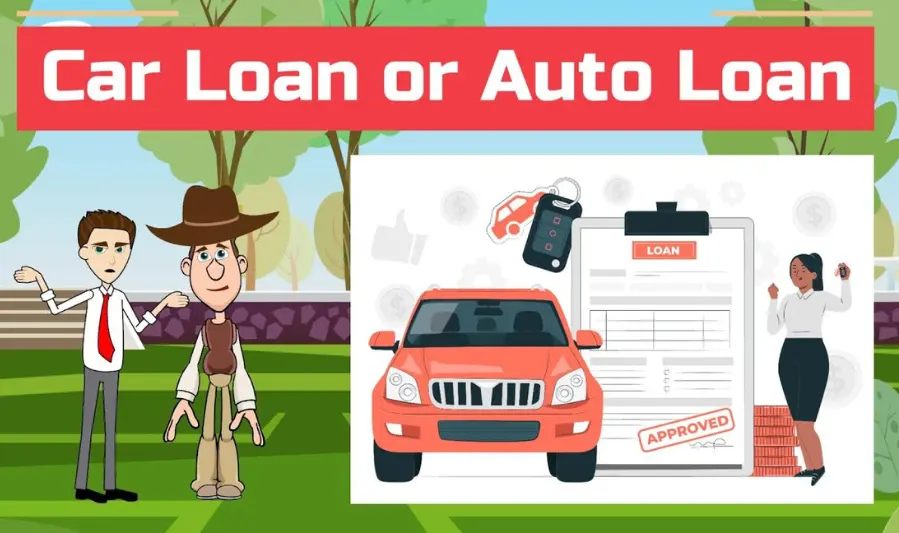
A car loan is a type of financing that allows individuals to purchase a vehicle without paying the full price upfront. Instead, a bank or lending institution covers the cost of the car, and the borrower repays the amount over a set period through monthly installments. This makes vehicle ownership more attainable for people who may not have enough savings to buy a car in cash.
How a Car Loan Works
When applying for a car loan, the borrower is typically required to make an initial down payment, which is a percentage of the car’s total price. The remaining balance is then financed by the lender. The borrower repays this balance over a fixed loan term with added interest, which serves as the lender’s charge for providing the loan.
Key Components of a Car Loan
- Down Payment – Usually ranges from 20% to 30% of the car’s total price. A higher down payment can reduce the monthly amortization.
- Financing Amount – The portion of the car’s price that is borrowed from the lender after deducting the down payment.
- Repayment – The total amount the borrower must pay monthly, including both the principal and interest, until the loan is fully settled.
Common Loan Terms
Understanding key loan terms helps borrowers make informed decisions before signing an agreement.
Interest Rate
This is the cost of borrowing money, expressed as a percentage of the loan amount. Interest rates can be fixed (same throughout the loan period) or variable (can change depending on market conditions).
Loan Tenure
Also known as the loan term, this refers to the duration of the repayment period—usually ranging from 12 to 60 months in the Philippines. Longer terms mean lower monthly payments but higher total interest paid over time.
Amortization
Amortization is the process of gradually paying off the loan through regular monthly payments that cover both the principal and interest.
Difference Between Brand-New and Second-Hand Car Loans
Brand-New Car Loans
- Offered by banks, dealerships, or car manufacturers.
- Typically come with lower interest rates and longer repayment terms.
- The car serves as collateral and usually comes with a full warranty.
Second-Hand Car Loans
- Designed for purchasing used or pre-owned vehicles.
- May have higher interest rates due to the car’s depreciation and potential wear and tear.
- Often require more stringent inspection or appraisal before approval.
Types of Car Loans in the Philippines
Car loans in the Philippines come in several forms, depending on the source of financing and the borrower’s needs. Understanding the differences among these options can help you choose the best loan that matches your financial situation and preferences.
Bank Car Loans
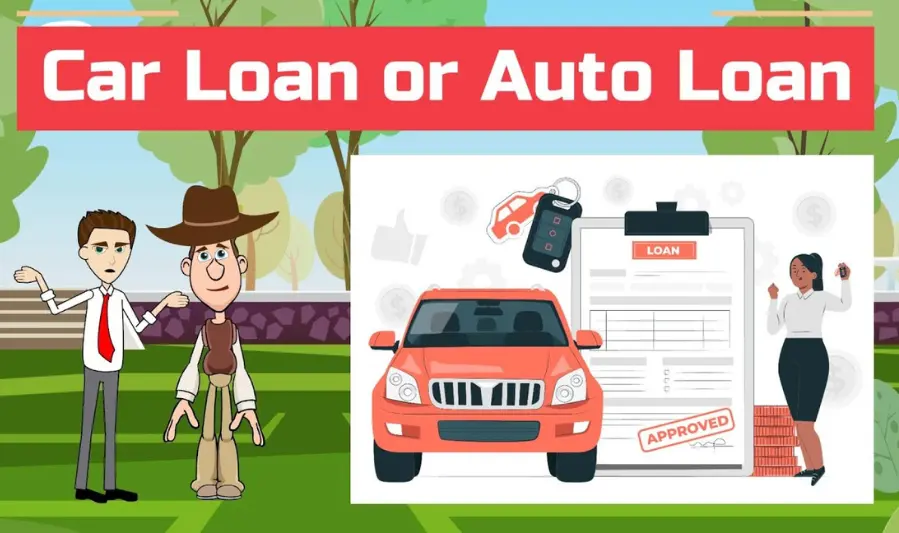
Overview
Bank car loans are among the most popular financing options in the Philippines. They are offered by major financial institutions such as BPI, BDO, Metrobank, and Security Bank.
Key Features
- Competitive Interest Rates: Banks usually offer lower interest rates compared to other lenders, especially for borrowers with good credit standing.
- Flexible Payment Terms: Loan terms typically range from 12 to 60 months, allowing borrowers to choose a repayment period that suits their budget.
- Strict Eligibility Requirements: Banks may require proof of stable income, good credit history, and a clean financial record.
Ideal For
Borrowers with a good credit history who want lower interest rates and are willing to go through a more detailed application process.
In-House Financing
Overview
In-house financing is offered directly by car dealerships. Instead of applying through a bank, the buyer deals with the dealership’s own financing department.
Key Features
- Faster and Easier Approval: Since the dealership handles the financing, approval can be quicker and requirements may be more lenient.
- Higher Interest Rates: In exchange for convenience and flexibility, interest rates are generally higher than bank loans.
- Bundled Promotions: Some dealerships offer special packages, such as free insurance or lower down payments, to attract buyers.
Ideal For
Buyers who prefer a quick and simple loan process or those who may have limited credit history but can afford slightly higher interest payments.
Online or Fintech Auto Loans
Overview
With the rise of digital banking and fintech services, online auto loans have become a convenient alternative for modern borrowers. These are offered by online lending platforms or digital banks.
Key Features
- Digital Application Process: Applicants can complete the entire process—from submission to approval—online, without visiting a physical branch.
- Shorter Loan Terms: Most fintech lenders offer shorter repayment periods or smaller loan amounts compared to traditional banks.
- Quick Disbursement: Loan processing and approval are typically faster, sometimes within a few hours or days.
Ideal For
Tech-savvy or first-time borrowers who value convenience, speed, and flexibility over long-term repayment options.
Car Loan Requirements
Before applying for a car loan in the Philippines, it’s important to prepare the necessary documents to ensure a smooth and faster approval process. While requirements may vary depending on the lender, most banks and financing institutions generally ask for the following:
Basic Requirements
Valid Government-Issued IDs
Applicants must present one or more valid government-issued identification cards such as a driver’s license, passport, SSS ID, UMID, or voter’s ID. These serve as proof of identity and help verify the borrower’s personal information.
Proof of Income or Employment
Lenders need to confirm that the borrower has a stable source of income to ensure their ability to pay off the loan. Accepted documents include:
- Certificate of Employment (COE) indicating position, length of service, and salary
- Latest payslips (usually the last 3 months)
- Recent bank statements showing consistent income deposits
Proof of Billing or Residence
A proof of billing statement (such as electricity, water, or internet bills) is required to verify the borrower’s residential address. The bill does not have to be under the applicant’s name, but it should show the same address indicated in the application.
Tax Identification Number (TIN) and Other Personal Documents
Borrowers must provide their Tax Identification Number (TIN) for credit verification and compliance with government regulations. Some lenders may also request additional personal documents such as a marriage certificate (for married applicants) or Alien Certificate of Registration (ACR) for foreign residents.
Vehicle Quotation or Pro Forma Invoice
Applicants are required to submit a vehicle quotation or pro forma invoice from the dealership. This document contains details about the car being purchased, including its make, model, and total price—serving as the basis for the loan amount.
Accomplished Loan Application Form
Every applicant must fill out and sign the car loan application form provided by the bank or financing company. The form typically includes personal, employment, and financial details necessary for loan evaluation.
Additional Requirements for Self-Employed Applicants
Business Registration Documents
Self-employed individuals must present proof of legitimate business operations, such as:
- DTI Certificate of Registration (for sole proprietors)
- SEC Registration and Articles of Incorporation (for partnerships or corporations)
Financial and Tax Documents
To prove income stability, lenders may also ask for:
- Latest Income Tax Return (ITR) with an audited financial statement
- Bank statements showing regular business transactions
How to Apply for a Car Loan
Applying for a car loan in the Philippines involves several steps, from choosing the right vehicle and lender to completing the approval and release process. Understanding each stage helps ensure a smooth and successful loan application.
Step 1: Choose Your Car and Loan Type
Decide Between Brand-New or Pre-Owned Cars
Start by selecting the type of car you want to purchase. Brand-new cars usually qualify for lower interest rates and longer loan terms, while pre-owned cars are more affordable but may have higher interest rates or shorter repayment periods.
Select Your Preferred Lender
Next, decide where to get your car loan. Options include:
- Banks – offer competitive interest rates and flexible payment terms.
- Dealerships (In-House Financing) – provide faster approvals with fewer requirements.
- Fintech or Online Lenders – ideal for digital applications and smaller loans.
Step 2: Compute Loan Amount and Down Payment
Determine the Down Payment
Most lenders in the Philippines require a minimum down payment of around 20% of the car’s total price. Paying a higher amount can reduce your monthly amortization and overall interest.
Estimate Monthly Amortization
Use car loan calculators (available on bank or dealership websites) to estimate your monthly payments based on your chosen loan amount, interest rate, and repayment term. This helps you plan your budget and assess affordability before applying.
Step 3: Prepare and Submit Documents
Gather All Required Documents
Prepare all necessary requirements such as valid IDs, proof of income, proof of billing, and the car’s quotation or pro forma invoice.
Double-Check for Accuracy
Before submission, review all documents to ensure that the information is accurate and consistent. Any discrepancies can delay the processing or cause rejection of your application.
Submit your complete application package to your chosen lender—either in person or through their online platform (for digital applications).
Step 4: Wait for Loan Approval
Processing Time and Verification
Loan approval typically takes 3 to 7 business days, depending on the lender and completeness of the submitted documents. During this period, the lender will conduct background and credit checks to assess your capacity to pay.
Once approved, you will receive a notice of approval (NOA) or loan agreement outlining the approved loan amount, interest rate, term, and repayment schedule.
Step 5: Release of Vehicle
Final Payment and Loan Signing
After approval, you will be asked to pay the required down payment and sign the loan agreement or promissory note. This finalizes your car loan contract.
Vehicle Turnover and Insurance Setup
Once all payments and paperwork are completed, the vehicle will be released to you. Most lenders require comprehensive car insurance as part of the loan terms. The insurance can often be arranged directly through the dealership or lender before turnover.
Interest Rates and Loan Terms
Understanding interest rates and loan terms is essential when applying for a car loan. These factors determine how much you’ll pay each month and the total cost of your loan. Knowing how they work can help you make smarter financial decisions and choose the best deal.
Factors That Affect Interest Rates
Interest rates for car loans in the Philippines vary depending on several key factors.
1. Credit Score and Financial History
Lenders evaluate your credit score and repayment history to determine how risky it is to lend to you. Borrowers with good credit standing usually enjoy lower interest rates, while those with limited or poor credit history may be charged higher rates.
2. Car Type (Brand-New vs. Second-Hand)
- Brand-New Cars: Generally come with lower interest rates because they have higher resale value and lower risk for the lender.
- Second-Hand Cars: Usually have higher rates due to depreciation and potential maintenance issues.
3. Loan Term or Tenure
The loan term affects both your monthly payment and total interest cost:
- Shorter Terms (12–36 months): Higher monthly payments but lower total interest.
- Longer Terms (48–60 months): Lower monthly payments but higher total interest paid over time.
4. Down Payment Amount
A larger down payment reduces the loan amount, which can lower your monthly amortization and sometimes qualify you for a better rate.
5. Lender Policies and Market Conditions
Banks, dealerships, and fintech companies each set their own rates based on internal policies, promotions, and current economic trends such as inflation and central bank interest rates.
Comparison Between Banks and In-House Financing
| Feature | Bank Car Loans | In-House Financing |
|---|---|---|
| Interest Rates | Lower (typically 5%–10% per annum) | Higher (around 10%–20% per annum) |
| Approval Time | 3–7 business days | 1–3 business days |
| Requirements | More strict; requires good credit and proof of income | More lenient; easier for first-time borrowers |
| Flexibility | Offers longer terms (up to 5 years) | Usually shorter terms (2–4 years) |
| Promotions | May offer lower rates during promos | May include freebies (insurance, accessories) |
Summary:
- Banks are ideal if you want lower rates and can provide all necessary documents.
- In-house financing is better if you need quick approval and don’t mind paying higher interest.
you may also like to read these posts:
Phát triển kỹ năng nghề thủ công
Mundo ng Bukas: Ang Papel ng Inobasyon sa Pag-unlad
Smart Budget Planning for Families: A Practical Guide to Financial Harmony
Tips to Get the Best Car Loan Rates
1. Maintain a Good Credit Score
Pay your existing debts and bills on time. Lenders reward borrowers with strong credit profiles through better loan terms and lower rates.
2. Compare Multiple Lenders
Don’t settle for the first offer. Check and compare rates from different banks, dealerships, and fintech lenders to find the best deal for your budget.
3. Increase Your Down Payment
A higher down payment reduces your loan amount and demonstrates financial stability, which can help you negotiate a lower rate.
4. Choose a Shorter Loan Term
If your budget allows, opt for a shorter repayment period to save on total interest costs.
5. Take Advantage of Promotions
Watch out for bank car loan promos or dealer financing deals that offer reduced rates, waived fees, or bundled insurance packages.
Managing Your Car Loan
Successfully managing a car loan is just as important as getting approved for one. Proper loan management ensures that you maintain a good credit history, avoid penalties, and make the most of your financing.
Importance of Timely Payments
Paying your monthly amortization on time is crucial to avoid:
- Late payment penalties or additional fees
- Negative impact on your credit score, which can affect future loans
- Loan default, which could result in repossession of the vehicle
Timely payments help you maintain a strong credit profile and demonstrate financial responsibility to lenders.
Setting Up Automatic Payments or Reminders
Automatic Payments
Many banks and financing companies offer auto-debit services, where your monthly payment is automatically deducted from your bank account. This reduces the risk of missing a due date and ensures consistent payment.
Payment Reminders
If auto-debit is not available, set up calendar reminders or mobile alerts to notify you a few days before the due date. This helps avoid late fees and keeps your repayment schedule on track.
Reviewing Loan Statements Regularly
Regularly checking your loan statements allows you to:
- Verify that your payments are correctly applied to principal and interest
- Track your remaining loan balance
- Detect errors or discrepancies early, allowing you to address them promptly
Keeping accurate records of your payments also helps in budgeting and financial planning.
Considering Refinancing
If interest rates drop or you find a lender offering better terms, refinancing your car loan may be a smart option. Refinancing involves taking a new loan to pay off your existing loan, potentially lowering monthly payments or total interest.
Key considerations before refinancing:
- Any prepayment penalties on your current loan
- Comparison of new interest rates and loan terms
- Additional fees or processing costs involved in the new loan
Common Mistakes to Avoid
Getting a car loan can be a great way to afford a vehicle, but many borrowers make mistakes that end up costing them more in the long run. Being aware of these pitfalls can help you make smarter financial decisions.
Ignoring the Total Loan Cost
When evaluating a car loan, don’t just focus on the monthly amortization. Consider the total cost of the loan, including:
- Interest payments over the entire term
- Processing fees or administrative charges
- Insurance premiums required by the lender
Failing to account for these additional costs may lead to underestimating your actual financial commitment.
Overborrowing Beyond Your Budget
Borrowing more than you can comfortably repay is a common mistake. High monthly payments can strain your finances and affect your ability to meet other obligations.
Tip: Calculate your monthly budget carefully and ensure that your car loan payment fits comfortably without compromising other essential expenses.
Missing Payments and Damaging Credit Score
Late or missed payments can:
- Lead to penalties and additional interest
- Negatively affect your credit score
- Potentially result in loan default and vehicle repossession
Maintaining timely payments is critical for protecting your financial reputation and avoiding unnecessary stress.
Not Comparing Multiple Lenders
Settling for the first loan offer without exploring other options can be costly. Interest rates, loan terms, and promotions vary between banks, dealerships, and fintech lenders.
Tip: Always compare multiple lenders to find the best combination of interest rate, loan term, and overall costs before committing.
Faqs:
What is the minimum down payment for a car loan in the Philippines?
Most banks and dealerships require at least 20% of the car’s price as a down payment, though this may vary depending on the lender.
Can I get a car loan with a bad credit score?
It’s more challenging, but some in-house financing programs or fintech lenders may approve applicants with lower credit scores, often at higher interest rates.
How long does it take to get car loan approval?
Approval typically takes 2–7 business days for banks, while in-house financing may process your application in 1–3 days.
Is in-house financing better than a bank loan?
In-house financing is faster and easier to get, but bank loans usually offer lower interest rates and more flexible terms.
What happens if I miss a monthly car loan payment?
Missing payments can result in late fees, penalties, and a negative impact on your credit score, and repeated defaults may lead to repossession of the vehicle.
Conclusion
Getting a car loan in the Philippines is a practical way to own your dream vehicle without paying the full amount upfront. By understanding the different loan options, preparing the necessary documents, and planning your repayment carefully, you can make the car-buying process smooth and stress-free.
Responsible borrowing, timely payments, and comparing lenders for the best rates will ensure that your car loan works in your favor while protecting your financial health.