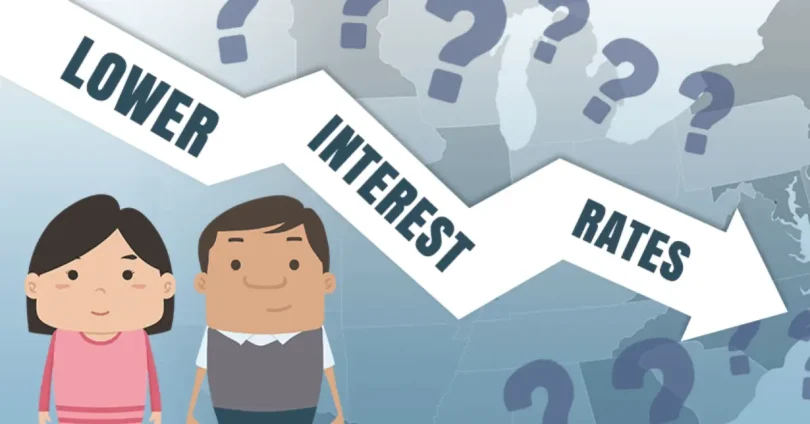

Introduction
The Importance of Owning a Car
Owning a car is more than just a convenience—it is essential for mobility in today’s fast-paced world. A personal vehicle offers:
Convenience
- Freedom to travel on your own schedule
- Easier management of daily errands and commutes
Enhanced Mobility
- Reduced dependency on public transportation
- Ability to take long trips and explore new places
The Role of Car Loans
Purchasing a car outright can be financially challenging for many. Car loans bridge this gap by making vehicle ownership more accessible.
Benefits of Car Loans
- Spread the cost of a car over time
- Make ownership feasible without large upfront payments
- Provide flexibility in choosing a vehicle that meets your needs
Purpose of This Guide
This guide aims to help readers navigate the process of securing low-interest car loans. By understanding interest rates, evaluating options, and making informed choices, you can save money while enjoying the freedom of owning a car.
Understanding Car Loans

2.1 What is a Car Loan?
A car loan is a type of financial product that allows individuals to purchase a vehicle by borrowing money from a lender. Instead of paying the full price upfront, borrowers repay the loan in installments over a fixed period.
How Car Loans Work
- Down Payment: An initial amount paid by the buyer to reduce the loan principal.
- Financing: The lender provides the remaining amount needed to purchase the vehicle.
- Repayment: Borrowers repay the loan in regular monthly installments, which include both principal and interest.
Key Terms to Know
- Interest Rate: The cost of borrowing money, usually expressed as a percentage.
- Loan Tenure: The period over which the loan must be repaid.
- Amortization: The schedule of payments showing how much goes toward interest and principal each month.
2.2 Types of Car Loans
Different lenders offer various types of car loans, each with its own benefits and drawbacks.
Bank Car Loans
- Typically offer lower interest rates and longer repayment terms.
- May require a more extensive credit check and documentation.
In-House Financing
- Provided directly by car dealerships.
- Faster approvals and sometimes flexible down payments.
- Often come with higher interest rates compared to banks.
Online/Fintech Auto Loans
- Completely digital application process.
- Convenient and quick approvals, often with competitive rates.
- Increasingly popular among tech-savvy borrowers.
2.3 Brand-New vs. Pre-Owned Car Loans
Loans for new and used cars differ in several key aspects:
Brand-New Car Loans
- Generally lower interest rates due to lower risk for lenders.
- Longer loan tenures are often available.
- Eligibility may require a stronger credit profile.
Pre-Owned Car Loans
- Interest rates are usually slightly higher.
- Loan terms may be shorter compared to new car loans.
- Lenders may have stricter rules regarding the age and condition of the vehicle.
Car Loan Requirements in the Philippines

Before applying for a car loan, borrowers need to prepare specific documents to ensure a smooth approval process. Requirements may vary slightly depending on the lender, but the following are generally standard.
3.1 Basic Documents
Most lenders require the following documents from all applicants:
Identification
- Valid government-issued IDs (e.g., passport, driver’s license, UMID)
Proof of Income
- Recent payslips or employment certificate
- For salaried employees, usually 2–3 months of payslips
Proof of Billing
- Recent utility bills or bank statements showing current address
Tax Identification Number (TIN)
- Required for tracking and legal purposes
3.2 Vehicle Quotation / Pro Forma Invoice
- A formal document from the dealership showing the price, specifications, and payment terms of the car.
- Lenders use this to determine the loan amount and approval conditions.
3.3 Requirements for Self-Employed Borrowers
Self-employed applicants need to provide additional documents to prove business stability and income:
Business Registration
- DTI (Department of Trade and Industry) or SEC (Securities and Exchange Commission) registration of the business
Income Tax Return (ITR)
- Filed ITRs for the past 2 years to verify declared income
How to Apply for a Car Loan
Applying for a car loan involves several steps, from selecting your vehicle to completing the paperwork and receiving your car. Understanding each stage can make the process smoother and increase your chances of approval.
4.1 Choosing Your Car and Loan Type
Selecting the right car and loan is the first step toward ownership.
Decide Between New or Pre-Owned
- Consider your budget, usage needs, and financing options.
- New cars usually have lower interest rates but higher prices, while pre-owned cars are cheaper but may come with slightly higher loan rates.
Selecting Your Preferred Lender
- Compare banks, in-house dealership financing, and online/fintech lenders.
- Look at interest rates, loan tenure, processing fees, and flexibility.
4.2 Computing Loan Amount and Down Payment
Understanding the financials upfront helps you plan effectively.
Minimum Down Payment
- Most lenders require at least 20% of the car’s purchase price as a down payment.
Using Car Loan Calculators
- Online calculators can estimate monthly amortization based on loan amount, interest rate, and tenure.
- Helps assess affordability before applying.
4.3 Preparing and Submitting Documents
Accurate documentation speeds up the approval process.
Double-Check for Accuracy
- Ensure all IDs, proof of income, TIN, and vehicle quotations are current and correct.
Submission Methods
- Documents can be submitted in-person at the bank or dealership.
- Many lenders also offer online submission, making the process faster and more convenient.
4.4 Loan Approval Process
Once documents are submitted, the lender evaluates your application.
Typical Processing Time
- Usually takes a few days to a couple of weeks, depending on the lender and completeness of documents.
Verification and Credit Checks
- Lenders verify employment or business details and run a credit check to assess repayment ability.
4.5 Release of Vehicle
After loan approval, the final steps involve payment and vehicle turnover.
Final Payment and Signing
- Sign the loan agreement and pay any remaining fees or charges as required by the lender.
Vehicle Turnover and Insurance Setup
- Receive your car from the dealership.
- Ensure insurance coverage is arranged before taking full possession of the vehicle.
Interest Rates and Loan Terms
Understanding how interest rates and loan terms work is essential for securing an affordable car loan. Even small differences in rates or terms can significantly affect your monthly payments and overall cost.
5.1 Factors Affecting Interest Rates
Several key elements influence the interest rate a lender may offer:
Credit Score
- Higher credit scores typically qualify for lower interest rates.
- Maintaining a strong credit history improves your chances of favorable loan terms.
Car Type
- Loans for new cars often have lower interest rates than pre-owned vehicles due to lower risk for lenders.
Loan Term
- Shorter tenures generally result in lower total interest but higher monthly payments.
- Longer tenures reduce monthly payments but can increase the total interest paid over the life of the loan.
Down Payment
- A larger down payment reduces the principal, potentially lowering the interest rate and improving loan approval chances.
5.2 Comparing Banks vs. In-House Financing
Different types of lenders offer varying rates, approval processes, and benefits:
Banks
- Typically offer lower interest rates and structured repayment schedules.
- May require more documentation and longer processing times.
In-House Financing (Dealership Loans)
- Approval is usually faster and easier.
- Interest rates are generally higher, although promotional discounts may sometimes offset the difference.
5.3 Tips to Get the Lowest Possible Interest Rates
- Maintain a good credit score by paying bills and debts on time.
- Compare rates from multiple banks and dealerships before applying.
- Increase your down payment to reduce the loan principal.
- Consider shorter loan terms to minimize total interest paid.
- Watch for promotions or special financing offers, especially for new cars.
Interest Rates and Loan Terms
Understanding how interest rates and loan terms work is essential for securing an affordable car loan. Even small differences in rates or terms can significantly affect your monthly payments and the total cost of your loan.
5.1 Factors Affecting Interest Rates
Several key elements influence the interest rate a lender may offer:
Credit Score
- Higher credit scores typically qualify for lower interest rates.
- Maintaining a strong credit history improves your chances of favorable loan terms.
Car Type
- Loans for new cars often have lower interest rates than pre-owned vehicles due to lower risk for lenders.
Loan Term
- Shorter tenures generally result in lower total interest but higher monthly payments.
- Longer tenures reduce monthly payments but can increase the total interest paid over the life of the loan.
Down Payment
- A larger down payment reduces the principal, potentially lowering the interest rate and improving loan approval chances.
5.2 Comparing Banks vs. In-House Financing
Different types of lenders offer varying rates, approval processes, and benefits:
Banks
- Typically offer lower interest rates and structured repayment schedules.
- May require more documentation and longer processing times.
In-House Financing (Dealership Loans)
- Approval is usually faster and easier.
- Interest rates are generally higher, although promotional discounts may sometimes offset the difference.
5.3 Tips to Get the Lowest Possible Interest Rates
- Maintain a good credit score by paying bills and debts on time.
- Compare rates from multiple banks and dealerships before applying.
- Increase your down payment to reduce the loan principal.
- Consider shorter loan terms to minimize total interest paid.
- Watch for promotions or special financing offers, especially for new cars.
Tips to Get Approved for a Car Loan
Securing approval for a car loan requires preparation and financial discipline. The following tips can improve your chances of approval and help you access better loan terms.
6.1 Maintain a Strong Credit Score
- Lenders rely heavily on credit scores to assess repayment risk.
- Pay bills and debts on time, reduce outstanding balances, and avoid multiple loan applications in a short period.
6.2 Have Stable Income
- Demonstrating a consistent and reliable income reassures lenders of your ability to repay.
- Salaried employees should provide payslips or employment certificates, while self-employed individuals need business registration documents and tax returns.
6.3 Prepare Complete Documentation
- Submit all required documents, including IDs, proof of income, TIN, proof of billing, and vehicle quotations.
- Accurate and complete documentation speeds up the approval process.
6.4 Avoid Overborrowing
- Borrow only what you can comfortably repay.
- High loan amounts relative to income can reduce your approval chances and increase financial strain.
6.5 Compare Multiple Lenders and Promotions
- Shop around to find the best interest rates, loan terms, and promotional offers.
- Compare banks, in-house financing, and online/fintech lenders to maximize your options.
Managing Your Car Loan
Successfully managing your car loan is just as important as securing it. Proper loan management ensures timely payments, protects your credit score, and can even save you money over the life of the loan.
7.1 Importance of Timely Payments
- Making payments on time helps avoid late fees and penalties.
- Timely payments protect your credit score, which can impact future loans or financing.
7.2 Setting Up Auto-Pay or Reminders
- Consider automatic payments through your bank to avoid missed installments.
- Alternatively, set reminders via phone or calendar to track due dates.
7.3 Reviewing Loan Statements Regularly
- Regularly check your loan statements to ensure payments are applied correctly.
- Verify interest calculations, principal reduction, and any additional charges.
7.4 Considering Refinancing
- If market interest rates drop or your credit improves, refinancing can reduce your interest rate or shorten your loan term.
- Compare offers from multiple lenders before deciding to refinance.
you may also like to read these posts:
Phát triển kỹ năng nghề thủ công
Mundo ng Bukas: Ang Papel ng Inobasyon sa Pag-unlad
Smart Budget Planning for Families: A Practical Guide to Financial Harmony
Common Mistakes to Avoid
Being aware of common pitfalls can help you make smarter decisions and save money when taking out a car loan.
8.1 Ignoring Total Loan Cost
- Don’t focus solely on monthly payments.
- Consider all costs, including interest, processing fees, insurance, and other charges.
- Calculating the total loan cost gives a clearer picture of affordability.
8.2 Borrowing Beyond Your Budget
- Avoid taking a loan amount that stretches your finances.
- Ensure monthly payments fit comfortably within your income to prevent financial strain.
8.3 Missing Payments
- Late or missed payments can result in penalties, higher interest, and damage to your credit score.
- Use auto-pay or reminders to stay on track.
8.4 Not Comparing Multiple Lenders
- Failing to compare banks, in-house financing, and online lenders may result in higher interest rates or less favorable terms.
- Always shop around for the best deal before committing.
Extra Tips for Securing Low-Interest Loans
Beyond the basics, there are strategic steps you can take to maximize your chances of getting a low-interest car loan.
9.1 Timing Your Application
- Apply during promotional periods when banks or dealerships offer lower rates.
- Consider timing your purchase at the end of the month or quarter, when lenders may be more flexible to meet targets.
9.2 Negotiating with Banks or Dealerships
- Don’t accept the first offer; negotiate interest rates, processing fees, or loan terms.
- Dealerships may offer special discounts or incentives if you ask.
9.3 Bundled Deals
- Some lenders or dealerships offer packages that include insurance, accessories, or freebies.
- Bundled deals can lower your overall cost of ownership and sometimes reduce the effective interest rate.
9.4 Refinancing Options
- If interest rates drop or your credit improves, refinancing can help secure a lower rate.
- Compare multiple refinancing offers to ensure you get the best terms.
Faqs:
Can I get a car loan with no credit history?
Yes, it is possible, especially through in-house financing or fintech lenders, which may be more lenient with first-time borrowers. However, banks typically require a credit history or proof of consistent income to qualify for lower interest rates.
How much down payment is required for a car loan?
Most lenders require a minimum down payment of 20% of the vehicle’s price. A higher down payment can reduce your loan amount, lower monthly amortization, and sometimes qualify you for a lower interest rate.
Which type of car loan has the lowest interest rates?
Bank car loans generally offer the lowest interest rates, especially for borrowers with good credit scores and stable income. In-house financing usually has higher rates but faster approvals.
Can I refinance my car loan to get a lower interest rate?
Yes, refinancing allows you to replace your existing loan with a new one that has better terms or lower interest rates. Consider any prepayment penalties, processing fees, and overall cost before refinancing.
How can I lower my car loan interest rate?
Maintain a good credit score and clear debts
Make a larger down payment
Choose a shorter loan term
Compare multiple lenders and take advantage of promotions
Conclusion
Securing a car loan with a low interest rate in the Philippines is entirely achievable with careful planning and informed decision-making. By understanding the different types of loans, preparing the required documents, and comparing offers from banks, dealerships, and fintech lenders, you can significantly reduce your monthly payments and overall loan cost.
Remember to:
- Maintain a strong credit score
- Make a reasonable down payment
- Choose a loan term that fits your budget
- Avoid common mistakes like overborrowing or missing payments
Ultimately, the key to getting the best car loan is a combination of research, preparation, and disciplined repayment. With these strategies, you can enjoy the convenience of car ownership while keeping your finances healthy.
If you like, I can combine all sections into a complete, ready-to-publish blog post with smooth transitions, headings, and practical tips for readers. This will give you a professional, comprehensive guide in one document.