
Introduction
Budgeting is a cornerstone of personal finance, empowering individuals to take control of their money and build a secure financial future. By creating and following a clear budget plan, you can manage expenses, reduce debt, save for goals, and avoid financial stress.
This guide will walk you through the essentials of budgeting—helping you understand your income and expenses, choose the right budgeting method, set achievable goals, and maintain healthy money habits. Whether you’re new to budgeting or looking to refine your approach, this guide offers practical steps to make your finances work for you.
Understanding Your Income

Identifying All Sources of Income
Begin by listing every source of income you receive, including:
- Salary or wages from your job(s)
- Freelance or side hustle earnings
- Investment income (dividends, interest)
- Rental income
- Government benefits or child support
Accounting for all income streams gives you a complete financial picture.
Distinguishing Between Gross and Net Income
- Gross Income: The total amount you earn before taxes and deductions.
- Net Income: The amount you actually take home after taxes, social security, and other deductions.
For budgeting, use your net income as it reflects the actual money available to spend and save.
Handling Fluctuating or Irregular Income
If your income varies month to month (common with freelancers, commission-based jobs, or gig work), consider these strategies:
- Calculate an average monthly income based on the past 6–12 months.
- Budget conservatively using your lowest recent monthly income to avoid overspending.
- Build a buffer or emergency fund to cover months when income is lower than average.
- Track income closely and adjust your budget regularly to reflect actual earnings.
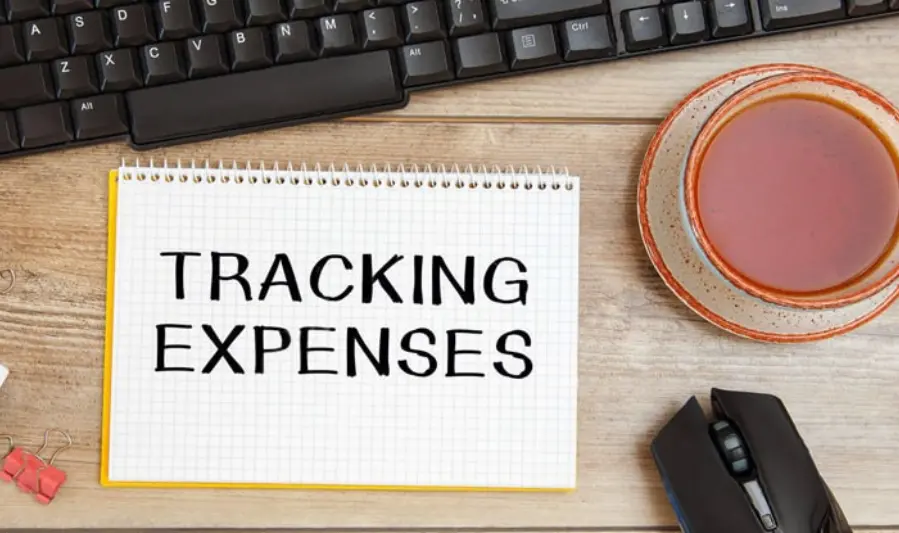
Tracking Your Expenses
Methods for Tracking Daily and Monthly Expenses
- Manual Journaling: Write down every expense as it happens, helping you stay mindful of your spending habits.
- Spreadsheets: Use Excel or Google Sheets to log expenses, categorize them, and analyze spending patterns over time.
- Receipts: Collect and review receipts regularly to ensure no expense is missed.
Categorizing Expenses
- Fixed Expenses: Regular, consistent payments like rent, mortgage, and insurance.
- Variable Expenses: Costs that fluctuate monthly such as groceries, utilities, and gas.
- Discretionary Expenses: Non-essential spending on entertainment, dining out, hobbies, and shopping.
- Irregular Expenses: Occasional or seasonal costs like car maintenance, medical bills, or holiday gifts.
Tools and Apps to Simplify Expense Tracking
- Mint: Automatically syncs with your bank accounts, categorizes spending, and offers budgeting tools.
- YNAB (You Need a Budget): Focuses on giving every dollar a job, great for hands-on budgeting.
- Goodbudget: Uses a digital envelope system to manage spending categories.
- PocketGuard: Provides simple insights into how much disposable income you have after bills and goals.
Differentiating Needs vs. Wants
Definitions and Examples of Needs and Wants
- Needs: These are essential expenses required for basic living and well-being. Without them, daily life and health could be compromised.
- Examples: Rent or mortgage, utilities, groceries, healthcare, transportation, basic clothing.
- Wants: These are non-essential items or services that enhance comfort or enjoyment but are not necessary.
- Examples: Dining out, entertainment subscriptions, luxury clothes, vacations, hobbies.
Why Prioritizing Needs Is Essential in Budgeting
Focusing on needs ensures that your basic expenses are covered before spending on wants. This helps maintain financial stability and prevents debt accumulation by avoiding overspending on non-essential items.
Strategies to Manage and Reduce Discretionary Spending
- Set clear spending limits: Allocate a specific budget for wants to avoid overspending.
- Delay gratification: Wait before making impulse purchases to assess if the want is truly valuable.
- Find lower-cost alternatives: Seek free or inexpensive entertainment options or DIY solutions.
- Track discretionary spending: Regularly review how much you spend on wants and adjust accordingly.
- Reward yourself mindfully: Allow occasional treats to maintain motivation without guilt.
Setting Financial Goals
Importance of Short-Term and Long-Term Goals
Financial goals give your budgeting purpose and direction. Short-term goals (achievable within a year) help build momentum and address immediate needs, while long-term goals (spanning several years) prepare you for major life events like buying a home or retirement. Balancing both ensures steady progress and financial security.
Examples of Common Financial Goals
- Short-Term Goals:
- Build an emergency fund of $1,000 within six months.
- Pay off credit card debt in 12 months.
- Save for a vacation or holiday gifts.
- Long-Term Goals:
- Save for a down payment on a house over five years.
- Contribute regularly to a retirement fund.
- Plan for children’s education expenses.
How to Prioritize and Break Down Goals into Actionable Steps
- Prioritize by urgency and impact: Focus first on goals that protect your financial well-being, like emergency savings or high-interest debt payoff.
- Set SMART goals: Make goals Specific, Measurable, Achievable, Relevant, and Time-bound.
- Break goals into monthly or weekly targets: For example, to save $1,200 in a year, set aside $100 each month.
- Monitor progress regularly: Adjust your savings or repayment amounts as your situation changes to stay on track.
Choosing a Budgeting Method
Overview of Popular Budgeting Methods
1. 50/30/20 Rule
- What it is: Allocate 50% of your after-tax income to needs, 30% to wants, and 20% to savings and debt repayment.
- Pros: Simple to understand and follow; flexible for most lifestyles.
- Cons: May be too general for people with complex or tight budgets; doesn’t offer detailed tracking.
2. Zero-Based Budgeting
- What it is: Assign every dollar of income a specific job until your income minus expenses equals zero.
- Pros: Maximizes control over finances; minimizes wasteful spending.
- Cons: Requires detailed tracking and regular adjustments; can be time-consuming.
3. Envelope System
- What it is: Physically (or digitally) allocate cash into envelopes labeled by spending categories; spend only what’s in each envelope.
- Pros: Excellent for controlling discretionary spending; easy to visualize limits.
- Cons: Managing cash envelopes can be inconvenient; less suited for digital payments.
4. Pay-Yourself-First Method
- What it is: Prioritize saving and investing by setting aside a fixed amount as soon as you receive income, then budget for expenses with the remainder.
- Pros: Encourages consistent saving habits; prioritizes financial goals.
- Cons: Can be challenging if income is tight; requires discipline to live on the leftover amount.
Tips to Customize Budgeting Methods to Fit Your Lifestyle
- Combine methods: Use the 50/30/20 rule as a broad framework but apply zero-based budgeting for detailed monthly tracking.
- Adapt to income type: For irregular income, zero-based budgeting or pay-yourself-first methods help manage fluctuations.
- Consider family preferences: Choose a method that everyone involved understands and feels comfortable with.
- Use technology: Many budgeting apps support multiple methods or hybrid approaches for convenience.
Creating Your Budget Plan
Step-by-Step Process to Allocate Income to Expenses and Savings
- Calculate your total monthly net income: Use the amount you actually take home after taxes and deductions.
- List your monthly expenses: Include fixed (rent, utilities), variable (groceries, transportation), and irregular expenses (annual subscriptions, car maintenance).
- Set savings goals: Decide how much to allocate toward emergency funds, debt repayment, and other financial goals.
- Assign amounts to each category: Based on your budgeting method, allocate specific dollar amounts to each expense and savings category.
- Track and adjust: Monitor your spending throughout the month to stay within your limits.
Setting Realistic Spending Limits for Each Category
- Base limits on your historical spending patterns and current financial goals.
- Avoid overly restrictive budgets that may be hard to maintain—allow some flexibility for unexpected or discretionary spending.
- Consider seasonal or irregular expenses by dividing their annual cost into monthly savings targets.
Importance of Balancing and Adjusting Categories
- Your budget should reflect your priorities—if you need to increase savings, you may need to reduce discretionary spending.
- Life changes like income shifts or new expenses require regular budget reviews and adjustments.
- Striking a balance ensures your budget is sustainable and supports both your needs and lifestyle.
Monitoring and Adjusting Your Budget
How Often to Review Your Budget
Conduct monthly reviews to compare your actual spending against your planned budget. Regular check-ins help catch overspending early, track progress toward goals, and keep your finances on track.
Identifying Areas to Cut Costs or Increase Savings
- Look for categories where you consistently overspend or have leftover funds.
- Analyze discretionary spending like dining out, subscriptions, or entertainment for potential cuts.
- Consider reallocating saved money toward higher-priority goals, such as debt repayment or emergency funds.
Adapting Your Budget to Life Changes
- New job or income change: Update income figures and adjust spending and savings accordingly.
- Family growth: Account for new expenses like childcare, education, or healthcare.
- Emergencies: Temporarily prioritize emergency fund replenishment and reduce non-essential spending.
- Other changes: Adjust for moving, travel plans, or unexpected bills to keep your budget realistic and effective.
you may also like to read these posts;
Powerful & Compact: Best Portable Mini PCs for
Paghahanda para sa Pagsusulit: Gabay at Tips
Gabay Aral para sa mga Mag-aaral sa Elementarya
Rozmarra ki Budget Tips jo Asar Dikhayein
Common Budgeting Challenges and How to Overcome Them
Dealing with Unexpected Expenses
Unexpected costs like medical bills or urgent home repairs can disrupt your budget. The best defense is a well-funded emergency fund. When surprises arise, use this fund instead of credit cards, and adjust your budget to replenish it over time.
Managing Irregular Income
For freelancers, commission-based workers, or those with variable earnings, budgeting can be tricky. Use conservative income estimates based on your lowest recent months, save aggressively during higher-income months, and keep a buffer to cover lean periods.
Staying Motivated and Avoiding Burnout
Budgeting consistently can feel tedious or restrictive. Set clear goals, celebrate small wins, and allow yourself occasional treats to maintain motivation. Remember, budgeting is a tool for freedom, not punishment.
Handling Peer Pressure and Lifestyle Inflation
It’s easy to spend more as your income rises or to keep up with friends’ lifestyles. Stay focused on your financial goals, practice mindful spending, and remind yourself of the long-term benefits of living within your means.
Tools and Resources to Support Budgeting
Recommended Budgeting Apps and Software
- Mint: Free app that links your bank accounts, tracks spending, and helps you set budgets.
- YNAB (You Need a Budget): Focuses on giving every dollar a job; great for hands-on budgeting and building habits.
- Goodbudget: Uses the envelope budgeting system digitally, ideal for managing spending categories.
- PocketGuard: Simple interface that shows how much disposable income you have after bills and savings.
Books, Podcasts, and Blogs for Further Learning
- Books:
- The Psychology of Money by Morgan Housel
- I Will Teach You to Be Rich by Ramit Sethi
- The Total Money Makeover by Dave Ramsey
- Podcasts:
- The Dave Ramsey Show
- ChooseFI
- The Financial Independence Podcast
- Blogs:
- The Budget Mom
- Mr. Money Mustache
- The Simple Dollar
Printable Budget Templates and Trackers
- Free Excel and Google Sheets templates available online for monthly budgeting and expense tracking.
- Printable monthly budget planners that help organize your finances offline.
- Many apps also offer downloadable reports and summaries for review.
Faqs:
What is the first step in creating a budget plan?
The first step is to calculate your total monthly income after taxes, including all sources like salary, side jobs, or investments.
How do I track my expenses effectively?
Use budgeting apps, spreadsheets, or a simple notebook to record every expense daily or weekly, which helps identify spending habits.
What should I do if my expenses are higher than my income?
Review your spending to identify non-essential expenses you can cut, and consider ways to increase your income or adjust your budget goals.
How often should I update or review my budget plan?
It’s best to review your budget monthly to track progress, make adjustments, and accommodate any changes in income or expenses
Can I create a budget if my income is irregular?
Yes, focus on your average income over several months and prioritize essential expenses first. Build an emergency fund to cover months with lower income.
Conclusion
Creating a budget plan is a crucial step toward gaining control over your finances and achieving your financial goals. By understanding your income, tracking your expenses, setting clear priorities, and choosing a budgeting method that fits your lifestyle, you can build a practical and sustainable plan. Remember, budgeting is a continuous process that requires regular review and adjustment. Start small, stay consistent, and over time, you’ll see your financial confidence and stability grow.