
Introduction
In today’s fast-paced and often unpredictable world, personal budgeting is more important than ever. It’s not just about tracking numbers—it’s about taking control of your money so it works for you, not against you. A well-planned budget helps you cover essentials, reduce financial stress, save for goals, and avoid unnecessary debt.
Without a budget, many people find themselves:
- Living paycheck to paycheck
- Struggling to save consistently
- Losing track of where their money goes
- Falling behind on bills or relying on credit
This guide is designed to help you change that.
You’ll learn how to build a simple, effective budget, track your expenses, set meaningful goals, and make adjustments that suit your lifestyle. Whether you’re starting from scratch or refining your current approach, this step-by-step guide will give you the tools to feel more confident and in control of your financial future.
Understand Your Financial Situation

Before you can build a budget, you need a clear picture of your financial reality. Understanding where your money comes from—and how reliable it is—is the foundation of effective budgeting.
1. Calculate Your Total Net (After-Tax) Monthly Income
Start with your net income, not your gross pay. Net income is what you take home after taxes, insurance, retirement contributions, and other deductions.
This is the amount you actually have available to spend, save, or invest each month.
2. Identify All Income Sources
Don’t just focus on your main job. List all sources of income to get an accurate total, such as:
- Full-time or part-time job(s)
- Freelance or gig work
- Rental property income
- Side businesses
- Government benefits or support
- Dividends, interest, or passive income
3. Understand the Consistency or Variability of Your Income
Ask yourself:
- Does my income stay the same every month?
- Do I have months where I earn significantly more or less?
If your income fluctuates (e.g., freelance or commission-based work), consider using a monthly average based on the past 6–12 months, and budget conservatively. Build in a buffer or prioritize saving during higher-income months to prepare for leaner ones.
Track Your Expenses
Knowing exactly where your money goes is one of the most important steps in creating a functional and realistic budget. Expense tracking gives you clarity, highlights spending patterns, and helps you make informed decisions.
Categories of Expenses
Understanding different types of expenses makes it easier to organize your budget:
- Fixed Expenses
These are consistent payments that don’t change month to month.
Examples: Rent or mortgage, car loan payments, insurance premiums, subscriptions. - Variable Expenses
These can fluctuate depending on usage or lifestyle choices.
Examples: Groceries, transportation/fuel, utility bills, dining out. - Irregular (Non-Monthly) Expenses
These occur occasionally or seasonally, and are often overlooked.
Examples: Medical bills, birthday or holiday gifts, car repairs, annual subscriptions.
Methods of Tracking Expenses
Choose a method that fits your comfort level and lifestyle:
- Apps
Tools like Mint, YNAB (You Need a Budget), PocketGuard, and Goodbudget automatically track and categorize spending by syncing with your bank accounts. - Spreadsheets
Use Excel or Google Sheets to log expenses manually and customize categories to your needs. Many free templates are available online. - Manual Tracking
Keep a notebook or use printable trackers to write down every expense as it happens. This method builds awareness and discipline.
Benefits of Tracking for at Least One Full Month
- Reveals spending habits you may not be aware of
- Helps you identify waste or areas for improvement
- Creates a realistic foundation for your budget
- Prepares you for upcoming, irregular, or seasonal expenses
- Makes it easier to set accurate limits for each category
Tracking for a full month gives you a true picture of your lifestyle and spending behavior—essential for building a budget that works.
Differentiate Between Needs and Wants
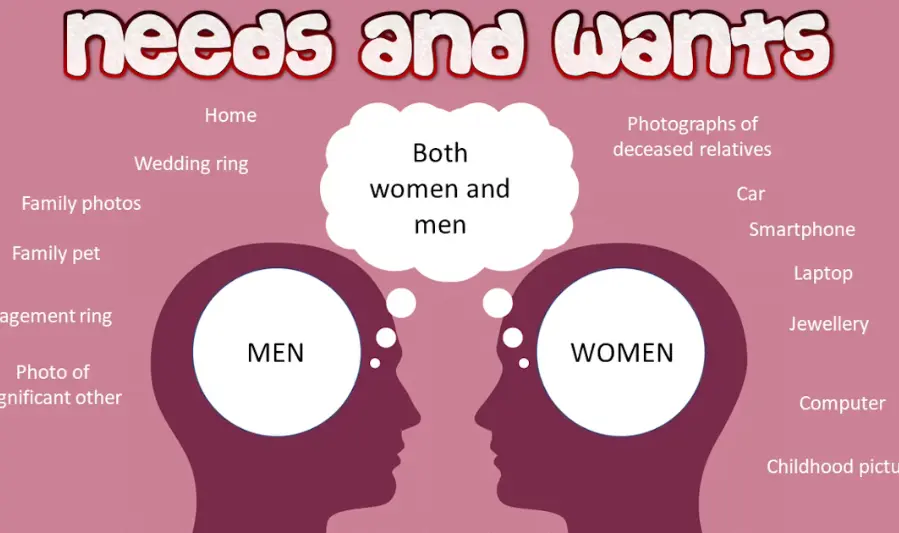
Defining “Needs” vs. “Wants” in Personal Budgeting
- Needs are essentials you must have to maintain basic living standards and well-being. They cover necessities required for survival and day-to-day functioning.
- Wants are non-essential items or services that enhance comfort, enjoyment, or lifestyle but are not crucial for survival.
Real-Life Examples for Clarity
| Needs | Wants |
|---|---|
| Rent or mortgage | Dining out or takeout meals |
| Utilities (electricity, water) | Subscription services (Netflix) |
| Groceries (basic food items) | Specialty coffee or snacks |
| Transportation (public transit or fuel for work) | New gadgets or luxury cars |
| Basic clothing | Fashion accessories or designer wear |
| Health insurance and medical care | Spa treatments or gym memberships |
Tips to Reduce or Delay Wants to Boost Savings
- Pause before purchasing: Wait 24-48 hours before buying non-essential items to avoid impulse buys.
- Set a wants budget: Allocate a specific, limited amount monthly for discretionary spending.
- Find cheaper alternatives: Substitute expensive wants with budget-friendly options or free activities.
- Reward yourself mindfully: Allow occasional treats to stay motivated but keep them intentional and within limits.
- Track wants separately:Monitor spending on wants to stay aware and in control.
Choose a Budgeting Method
Selecting the right budgeting method is key to staying consistent and motivated. Different approaches suit different lifestyles, income types, and financial goals. Here’s an overview of popular budgeting methods:
1. 50/30/20 Rule
- What it is: Allocate 50% of your after-tax income to needs, 30% to wants, and 20% to savings and debt repayment.
- Best for: Beginners who want a simple, flexible guideline without detailed tracking.
- Pros: Easy to understand and implement; balances spending and saving.
- Cons: Less precise, might not fit tight budgets or irregular incomes.
2. Zero-Based Budgeting
- What it is: Assign every dollar of your income a specific purpose until your income minus expenses equals zero.
- Best for: Those who want detailed control and are comfortable with tracking every expense.
- Pros: Maximizes money usage; prevents overspending.
- Cons: Time-consuming; requires regular monitoring.
3. Envelope System
- What it is: Physically or digitally allocate cash into envelopes for specific spending categories; spend only what’s in each envelope.
- Best for: People who struggle with overspending in certain categories or want a tactile budgeting experience.
- Pros: Great for controlling discretionary spending; visual and hands-on.
- Cons: Less convenient in a cashless world; managing envelopes can be cumbersome.
4. Pay Yourself First
- What it is: Prioritize savings by automatically setting aside a fixed amount of money each month before paying expenses.
- Best for: Those focused on building savings or paying down debt aggressively.
- Pros: Builds saving habits; ensures goals get funded first.
- Cons: Can be challenging if income is tight; requires discipline to live on remaining funds.
How to Choose the Right Method for Your Lifestyle and Mindset
- Consider your financial goals: Need more saving discipline? Pay Yourself First or Zero-Based might work best. Prefer simplicity? Try 50/30/20.
- Assess your income type: If income varies, methods that allow flexibility (Zero-Based or Envelope) can help.
- Think about your habits: If you tend to overspend, Envelope budgeting offers a physical control method.
- Start simple: You can always combine methods or adjust as you learn what fits your routine.
Building Your Budget Plan
Creating a budget plan is about giving every dollar a purpose—balancing your income with your expenses, savings, and future needs. Here’s how to build a solid plan step-by-step.
Step-by-Step Process to Allocate Income to Expenses and Savings
- Start with your total net monthly income (the amount you take home after taxes and deductions).
- List all your monthly expenses:
- Fixed expenses (rent, loan payments)
- Variable expenses (groceries, utilities)
- Irregular expenses (car maintenance, gifts)
- Assign amounts to each category based on your spending habits and goals.
- Include savings goals: Set aside a portion for emergency funds, retirement, debt repayment, or other financial goals.
- Subtract expenses and savings from income: Ideally, your income should cover all expenses and savings. Adjust if you’re overspending.
Tips for Setting Realistic Spending Limits
- Base limits on past spending patterns and current priorities—don’t cut too deeply, or the budget won’t be sustainable.
- Allow a buffer for unexpected or unplanned expenses.
- Be honest with yourself—underestimating expenses can lead to frustration.
Including Savings and Emergency Funds in Your Budget
- Treat savings like a fixed expense to ensure you consistently build your financial safety net.
- Start small if needed—saving even a little each month adds up over time.
- Build your emergency fund to cover 3–6 months of essential expenses.
Preparing for Irregular and Seasonal Expenses
- Estimate yearly irregular expenses (e.g., insurance premiums, holiday gifts) and divide by 12 to create a monthly savings target.
- Set aside this amount monthly in a separate savings “category” to avoid surprises.
- Review and adjust these amounts periodically to stay on track.
Automating Your Budget for Success
Automation can make managing your finances easier, more consistent, and less stressful by removing manual tasks from your routine.
Benefits of Automating Savings and Bill Payments
- Ensures consistency: Regular savings and timely bill payments happen without you having to remember each time.
- Saves time: Reduces the effort spent on managing payments and transfers manually.
- Prevents late fees and missed payments: Helps maintain good credit and avoid penalties.
- Supports disciplined spending: Automatic saving reduces the temptation to spend what should be set aside.
How to Set Up Automation with Banks and Apps
- Use your bank’s online platform: Set up automatic bill payments and recurring transfers to savings accounts right after payday.
- Leverage budgeting apps: Many apps like Mint, YNAB, or your bank’s app offer automation features for payments and savings.
- Schedule transfers strategically: Align transfers with income deposit dates to ensure funds are available.
- Monitor regularly: Check automated transactions monthly to confirm accuracy and adjust as needed.
Avoiding Common Automation Pitfalls
- Avoid overdrafts: Ensure sufficient funds in your checking account before scheduled payments or transfers.
- Stay engaged: Don’t completely “set and forget”—review your automated transactions periodically.
- Adjust when needed: Life changes like income fluctuations or new expenses require updates to your automated amounts.
- Keep it simple: Avoid overly complex automation across multiple accounts that may cause confusion or errors.
Tracking Progress and Adjusting Your Budget
Creating a budget is just the beginning. Regularly reviewing and tweaking your plan ensures it stays effective and aligned with your financial goals.
Importance of Monthly Budget Reviews
- Helps you stay accountable and aware of your financial habits.
- Allows you to celebrate successes and identify areas that need improvement.
- Keeps your budget realistic as your life and finances evolve.
How to Analyze Your Spending Patterns
- Compare actual expenses against your budgeted amounts to see where you’re over or under-spending.
- Look for trends, such as consistently high spending in certain categories or unexpected irregular expenses.
- Use tools like budgeting apps or spreadsheets to visualize and categorize spending for easier analysis.
Making Adjustments for Income Changes, Unexpected Expenses, or Goal Shifts
- Income changes: If your income increases or decreases, update your budget accordingly to maintain balance.
- Unexpected expenses: Build flexibility by reallocating funds or temporarily reducing discretionary spending to cover surprises.
- Goal shifts: Reassess your financial priorities and adjust savings or spending to align with new goals or timelines.
you may also like to read these posts:
Powerful & Compact: Best Portable Mini PCs for
Paghahanda para sa Pagsusulit: Gabay at Tips
Gabay Aral para sa mga Mag-aaral sa Elementarya
Rozmarra ki Budget Tips jo Asar Dikhayein
Overcoming Common Budgeting Challenges
Budgeting isn’t always smooth sailing. Recognizing common obstacles and knowing how to tackle them can keep you on track toward financial health.
Managing Irregular Income and Expenses
- Irregular income: Base your budget on your lowest expected income, then allocate any extra as bonuses or savings.
- Irregular expenses: Track non-monthly costs (car repairs, medical bills) by setting aside a monthly “sinking fund” to cover these when they arise.
Staying Motivated and Avoiding Burnout
- Set realistic goals and celebrate small wins to keep momentum.
- Use positive reinforcement, such as rewarding yourself occasionally for sticking to your budget.
- Remember that budgeting is a skill developed over time—allow yourself grace if things don’t go perfectly.
Dealing with Unexpected Financial Setbacks
- Build an emergency fund to cushion unforeseen expenses.
- If setbacks occur, reassess your budget promptly and adjust spending or savings temporarily.
- Reach out for support or financial advice if needed.
Handling Lifestyle Inflation and Peer Pressure
- Stay focused on your personal financial goals rather than comparing yourself to others.
- Create spending rules that prioritize needs and savings over status or trends.
- Surround yourself with people who respect and support your financial choices.
Faqs:
How do I start budgeting if I have irregular income?
Focus on your average monthly income over several months and prioritize essential expenses. Building an emergency fund can help cover months with lower income.
What is the best budgeting method for beginners?
The 50/30/20 rule is simple and effective for beginners, allocating 50% of income to needs, 30% to wants, and 20% to savings or debt repayment.
How often should I review and update my budget?
Review your budget monthly to track spending, adjust for changes in income or expenses, and stay aligned with your financial goals.
What if I overspend one month?
Don’t be discouraged. Analyze where you overspent, adjust your budget if necessary, and aim to get back on track the next month.
Should I include savings as an expense in my budget?
Yes, treating savings like a regular expense helps ensure you consistently set money aside toward your goals.
Conclusion
Personal budget planning is a powerful tool that helps you take control of your finances, reduce stress, and work toward your financial goals. By understanding your income, tracking your expenses, distinguishing needs from wants, and choosing a budgeting method that fits your lifestyle, you can build a sustainable plan for financial success. Remember, budgeting is an ongoing process—regular reviews and adjustments are key. Start today, stay consistent, and watch your financial confidence grow over time.