
Introduction
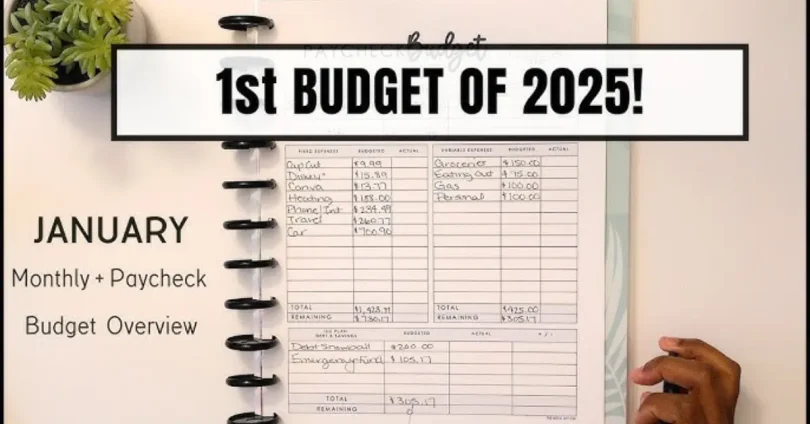
Managing money can feel overwhelming, whether you’re a student with limited income, a professional juggling bills and savings, or a family trying to plan for the future. That’s where budgeting comes in.
What is Budgeting?
Budgeting is the process of creating a plan for how you’ll spend and save your money. It allows you to track your income, control your expenses, and make intentional financial decisions that align with your goals.
Key Elements of a Budget
- Income
- Fixed and variable expenses
- Savings and investments
- Debt repayments
Why Is Budgeting Important for Everyone?

Budgeting matters no matter your life stage or financial situation.
For Students
- Helps avoid unnecessary debt
- Teaches financial responsibility
- Makes room for savings (even small ones)
For Professionals
- Keeps spending in check
- Helps with debt repayment and saving for larger goals
- Supports long-term financial planning
For Families
- Allows better planning for household expenses
- Supports saving for education, emergencies, and retirement
- Helps prevent financial stress and conflict
What Will Readers Learn from This Post?
In this post, you’ll gain a clear understanding of:
How budgeting works
How to create a simple, effective budget
Common budgeting mistakes to avoid
Tips to stick to your budget and build good habits
By the end, you’ll have the tools to take control of your money—regardless of your income level or lifestyle.
What Is a Monthly Budget Planner?
Definition and Purpose
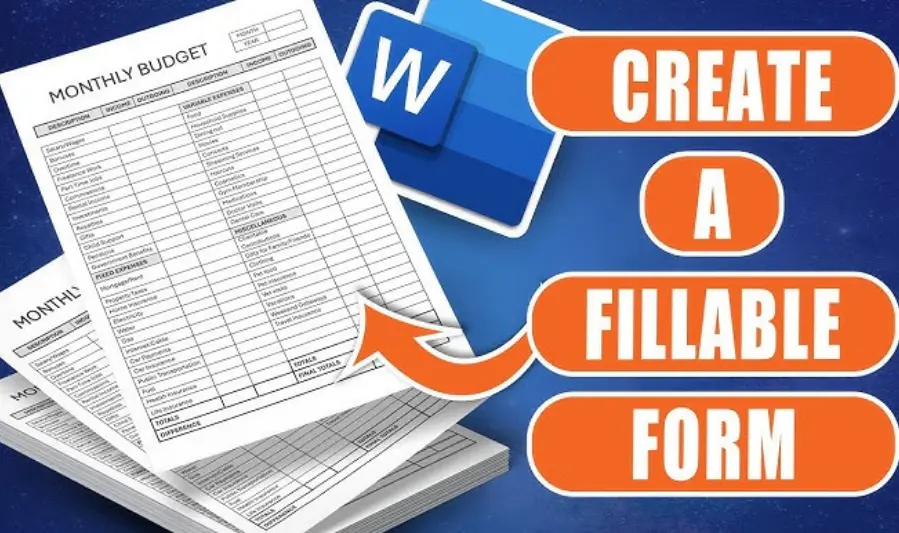
A monthly budget planner is a tool designed to help you organize and track your income, expenses, and savings on a month-by-month basis. It provides a clear overview of your financial situation, allowing you to plan how much money you will allocate to various categories such as bills, groceries, entertainment, and savings.
The primary purpose of a monthly budget planner is to keep your finances organized and help you stay on track with your spending and saving goals. By using it regularly, you can avoid overspending, reduce debt, and build a stronger financial foundation.
Benefits of Using a Monthly Budget Planner
- Improved financial awareness: Understand where your money is going each month.
- Better control over spending: Identify unnecessary expenses and adjust your habits.
- Goal setting and tracking: Plan for short-term and long-term financial goals like saving for a trip or paying off debt.
- Stress reduction: Having a plan in place helps reduce anxiety about money.
- Encourages saving: Helps you prioritize saving by visualizing your financial picture.
Difference Between Physical and Digital Planners
| Feature | Physical Planners | Digital Planners |
|---|---|---|
| Format | Paper notebooks, printed templates | Apps, spreadsheets, online tools |
| Accessibility | Always accessible without device | Accessible on smartphones, tablets, PCs |
| Customization | Can be personalized with handwriting | Easy to edit, auto-calculations possible |
| Portability | Can be bulky, requires carrying | Easily portable via devices |
| Data Backup | Prone to loss or damage | Can be backed up to cloud or storage |
Both types are effective—the best choice depends on your personal preferences and lifestyle.
Step-by-Step Guide to Creating a Budget
1. Understand Your Income
Before you start budgeting, it’s important to have a clear picture of your total monthly income.
- Calculate your monthly income (after taxes): Use your take-home pay as the starting point since this is the actual money available for spending.
- Include all income sources: Don’t forget to add any additional earnings such as freelance work, side hustles, rental income, or dividends. This ensures your budget reflects your true cash flow.
2. Track Your Expenses
Tracking your expenses is a crucial step in budgeting because it reveals how and where your money is being spent.
- Why expense tracking is essential: Without knowing your spending patterns, it’s impossible to identify areas to cut back or adjust. Tracking builds awareness and accountability.
- Tools to use:
- Budgeting apps like Mint, YNAB (You Need a Budget), or PocketGuard
- Spreadsheets for manual tracking
- Expense journals or notebooks for those who prefer writing things down
3. Differentiate Between Needs and Wants
Understanding the difference between essentials and discretionary spending helps you prioritize your budget.
- Define needs vs. wants:
- Needs are necessary for survival and basic functioning—such as rent, utilities, groceries, healthcare, and transportation.
- Wants are non-essential items or experiences, like dining out, entertainment, or luxury items.
- Examples:
- Need: Monthly rent or mortgage
- Want: Subscription to a streaming service
- Tips to control impulsive spending:
- Pause before making a purchase to consider if it’s a want or need
- Set spending limits for discretionary categories
- Use cash envelopes or prepaid cards to limit spending
4. Choose a Budgeting Method
Selecting the right budgeting approach can make managing your finances easier and more effective.
- Overview of popular budgeting methods:
- 50/30/20 Rule: Allocate 50% of your income to needs, 30% to wants, and 20% to savings or debt repayment. Simple and flexible for beginners.
- Zero-Based Budgeting: Assign every dollar of your income a specific purpose until you reach zero, meaning no money is left unassigned. This requires detailed tracking but maximizes control.
- Envelope System: Use physical or digital “envelopes” for different spending categories, spending only what’s allocated per envelope. Great for limiting discretionary spending.
- How to choose the right method for your lifestyle:
- Consider how detailed you want your budget to be
- Think about your financial goals and spending habits
- Experiment with different methods to find what feels sustainable and motivating for you
Build an Emergency Fund
Why It’s Essential
An emergency fund is your financial safety net for unexpected expenses like medical bills, car repairs, or sudden job loss. Having this fund prevents you from relying on credit cards or loans, which can lead to debt and financial stress. It provides peace of mind and financial stability during uncertain times.
How Much to Save
Start small to build the habit—saving even $500 to $1,000 can cover minor emergencies. Over time, aim to save enough to cover 3 to 6 months’ worth of living expenses, including rent/mortgage, utilities, food, transportation, and other essentials. This amount varies depending on your personal circumstances and job security.
Where to Keep It
Your emergency fund should be:
- Easily accessible: You want quick access without penalties or delays.
- Safe and low risk: Avoid investments that could lose value suddenly.
Common places to keep your emergency fund include:
- Savings accounts: High-yield savings accounts offer good interest with easy access.
- Money market accounts: Typically offer slightly higher interest rates than savings accounts and easy withdrawals.
- Short-term CDs or accounts with minimal withdrawal restrictions: Only if you have enough buffer elsewhere, since accessing funds might take time.
Build an Emergency Fund
Why It’s Essential
An emergency fund acts as a financial safety net for unexpected expenses like medical emergencies, car repairs, or sudden loss of income. It helps you avoid debt and reduces financial stress by providing a cushion during tough times.
How Much to Save
Start by saving a small amount—such as $500 to $1,000—to cover minor emergencies. Gradually work towards saving 3 to 6 months’ worth of essential living expenses (rent, utilities, groceries, transportation). The exact amount depends on your lifestyle, monthly costs, and job stability.
Where to Keep It
Your emergency fund should be safe, liquid, and easy to access. Good options include:
- Savings accounts — especially high-yield accounts with competitive interest rates.
- Money market accounts — offer higher interest while allowing easy access.
- Short-term certificates of deposit (CDs) — if you don’t anticipate needing immediate access (but be mindful of withdrawal restrictions).
you may also like to read these posts:
Powerful & Compact: Best Portable Mini PCs for
Paghahanda para sa Pagsusulit: Gabay at Tips
Gabay Aral para sa mga Mag-aaral sa Elementarya
Rozmarra ki Budget Tips jo Asar Dikhayein
Save and Invest Wisely
Difference Between Saving and Investing
- Saving typically means setting money aside in safe, easily accessible accounts for short-term needs or emergencies. The focus is on preserving capital and maintaining liquidity, often with low risk and modest returns.
- Investing involves putting your money into assets like stocks, bonds, or mutual funds with the goal of growing your wealth over the long term. Investing carries higher risks but also the potential for higher returns compared to saving.
Beginner-Friendly Options
For those new to managing money, here are some accessible options:
- Recurring Deposits (RDs): A fixed amount is deposited regularly in a bank for a set period, earning guaranteed interest. It’s safe and disciplined saving.
- Mutual Funds: Pooled investments managed by professionals that can offer diversification and growth potential. Ideal for beginners when starting with small amounts.
- High-Yield Savings Accounts: For safe, interest-earning savings with easy access.
- Index Funds or ETFs: Low-cost, diversified investments that track a market index and are beginner-friendly.
Importance of Developing Consistent Habits
The key to financial success is consistency. Regularly saving and investing—even small amounts—helps build wealth over time through the power of compounding. Developing habits like automatic transfers, monthly budgeting for investments, and reviewing your portfolio periodically can make a big difference in achieving your financial goals.
Review and Adjust Monthly
Why Monthly Reviews Matter
Regularly reviewing your budget helps you stay on track with your financial goals. It allows you to catch overspending early, celebrate progress, and make informed decisions about where to allocate your money.
Adjust for Changes in Income, Expenses, or Goals
Life is dynamic—your income might increase, expenses can fluctuate, and your goals may evolve. Monthly reviews let you update your budget to reflect these changes, ensuring it remains realistic and effective. For example:
- A salary raise could mean increasing your savings or investment contributions.
- Unexpected expenses might require cutting back in other areas.
- New financial goals, like buying a car, may need to be factored in.
Be Consistent, but Allow Flexibility
Consistency in reviewing your budget is key to success, but it’s equally important to stay flexible. Don’t get discouraged by occasional setbacks or unexpected expenses. Adjust your plan as needed and keep moving forward.
Common Budgeting Mistakes to Avoid
Ignoring Small Daily Expenses
Small purchases like coffee, snacks, or app subscriptions may seem insignificant, but they add up over time and can throw off your budget. Tracking these daily expenses helps you get an accurate picture of your spending and avoid surprises.
Not Accounting for Irregular or Seasonal Spending
Expenses like annual insurance premiums, holiday gifts, or seasonal maintenance often get overlooked because they don’t occur monthly. Failing to plan for these can lead to budget shortfalls. Set aside a small amount each month to cover these irregular costs.
Giving Up After a Bad Month
Budgeting is a learning process and occasional setbacks are normal. Don’t let one off month discourage you. Instead, review what went wrong, adjust your plan, and keep going. Consistency over time is what leads to financial success.
Not Involving Your Partner or Family in Budgeting
Money management is often a shared responsibility. Excluding your partner or family from budgeting decisions can cause misunderstandings and conflicts. Involve everyone who contributes to or depends on the household finances to create a transparent and collaborative budget.
Recommended Tools and Resources
Budgeting Apps
- Mint: Tracks expenses, budgets, and credit scores in one place.
- YNAB (You Need A Budget): Focuses on giving every dollar a job to help you plan ahead.
- Goodbudget: Uses the envelope system digitally to manage spending.
- PocketGuard: Simplifies budgeting by showing how much spendable money you have after bills and goals.
Books
- The Psychology of Money by Morgan Housel — Explores the mindset behind financial decisions.
- I Will Teach You to Be Rich by Ramit Sethi — Practical advice on managing money and building wealth.
- The Total Money Makeover by Dave Ramsey — Step-by-step approach to debt elimination and financial fitness.
YouTube Channels
- Graham Stephan: Real estate investor sharing personal finance tips.
- The Financial Diet: Focuses on budgeting, lifestyle, and money management for beginners.
- Dave Ramsey Show: Advice on debt, budgeting, and financial planning.
Templates
- Free downloadable Excel or Google Sheets budget templates for easy customization.
- Printable monthly budget planners to track your spending offline.
Faqs:
How much money should I set aside for savings each month?
A common recommendation is to save at least 20% of your monthly income. However, start with what you can comfortably afford and increase your savings over time.
What if my income varies every month?
If your income is irregular, calculate an average income based on the last 3–6 months and budget based on that. Prioritize essential expenses first and save any extra when possible.
How can I stick to my budget without feeling restricted?
Include a reasonable amount for discretionary spending (“wants”) in your budget. This allows you to enjoy small treats without guilt while staying on track.
What should I do if I overspend one month?
Don’t be discouraged. Analyze what caused the overspending, adjust your budget if needed, and get back on track the following month. Budgeting is a learning process.
How often should I review and update my budget?
Review your budget monthly to track progress and make necessary adjustments based on changes in income, expenses, or financial goals.
Conclusion
Creating and using a monthly budget planner is one of the best ways for beginners to take control of their finances. By understanding your income, tracking expenses, distinguishing between needs and wants, and setting clear financial goals, you build a strong foundation for financial stability. Remember, budgeting is not about restricting yourself but about making smarter choices that lead to peace of mind and financial growth. Stay consistent, review your budget regularly, and adjust as needed. With time and commitment, you’ll gain confidence and move closer to your financial goals.