Introduction to Budgeting
What Is Budgeting?
Budgeting is the process of creating a financial plan that outlines how you will spend, save, and manage your money. It involves tracking your income and expenses to ensure you’re making smart financial choices and living within your means.
Why Is Budgeting Important?
For Students
Budgeting helps students manage limited income from part-time jobs, allowances, or student loans. It teaches responsibility and helps avoid unnecessary debt.
For Professionals
Professionals benefit from budgeting by keeping monthly expenses in check, planning for savings, and preparing for long-term goals like buying a home or starting a business.
For Families
Families use budgeting to balance household expenses, save for emergencies, plan vacations, and secure their children’s future through education or investments.
Benefits of Simple Budgeting
Peace of Mind
Knowing where your money is going reduces stress and helps you avoid financial surprises.
Better Decision-Making
A clear budget helps you prioritize your needs and wants, allowing you to make informed choices.
Financial Growth
Consistent budgeting supports savings, investments, and the achievement of long-term financial goals, paving the way for financial independence.
Understand Your Financial Situation

Before you can create an effective budget, it’s essential to have a clear understanding of your financial situation. This begins with knowing exactly how much money you bring in each month.
Identify Your Total Monthly Income (After Taxes)
Start by calculating your net monthly income—the amount you receive after taxes and deductions. This is the money actually available for your expenses, savings, and goals.
Include All Sources of Income
Be thorough and include every source of income you receive on a regular basis, such as:
- Salary or wages from full-time or part-time work
- Freelance income from contract or gig jobs
- Business income if you’re self-employed or own a small business
- Side hustles, like food delivery, tutoring, or selling products online
- Other sources, such as rental income, dividends, or government support
Even irregular income should be accounted for—use a monthly average if it varies.
Be Honest and Realistic With Numbers
It’s important to be completely honest about how much you earn. Avoid overestimating or rounding up. If your income fluctuates, use a conservative average to prevent overspending. The more accurate your numbers, the more reliable your budget will be.
Track Your Expenses
Understanding where your money goes is just as important as knowing how much you earn. Tracking your expenses helps you gain insight into your spending habits and highlights areas where you can cut back.
Record Daily Expenses for at Least One Full Month
Start by tracking every expense, no matter how small, for at least 30 days. This includes:
- Groceries
- Bills and subscriptions
- Transportation
- Coffee, snacks, and dining out
- Shopping and entertainment
- Unexpected or one-time costs
Being consistent for a full month gives you a realistic snapshot of your financial behavior.
Use Tools That Work for You
Choose a method that you’ll actually use. Some helpful options include:
- Budgeting apps (e.g., Mint, YNAB, PocketGuard)
- Excel or Google Sheets for customizable tracking
- Manual journaling with a notebook or expense tracker
Pick the system that fits your lifestyle and makes it easy to stay consistent.
Identify Spending Patterns and Unnecessary Expenses
Once you’ve tracked your expenses for a month, review them to:
- Spot spending patterns, like frequent dining out or impulse purchases
- Identify areas where you overspend
- Find unnecessary or avoidable expenses, such as unused subscriptions
This insight will help you make informed decisions when creating your budget and setting financial goals.
Differentiate Between Needs and Wants
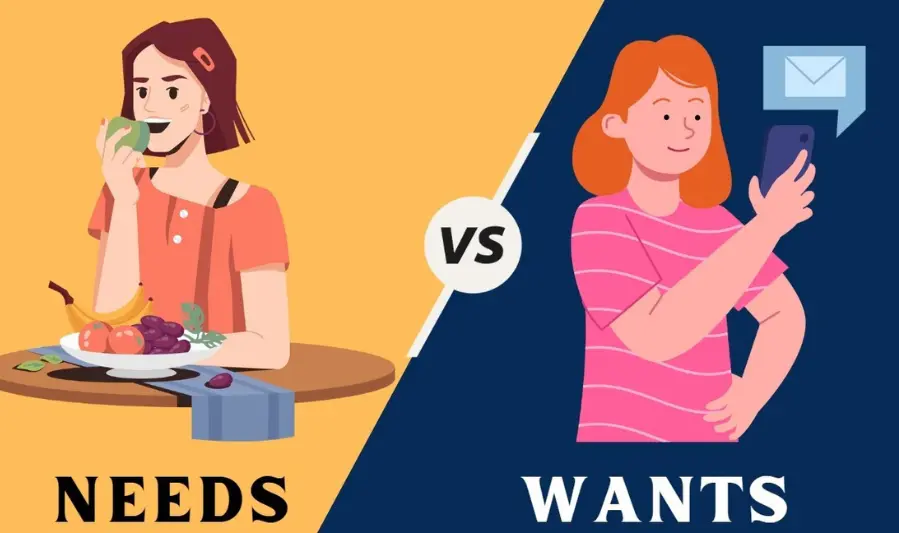
To build an effective budget, it’s crucial to understand the difference between needs and wants. This distinction helps you prioritize your spending and make smarter financial decisions.
Define Essential Versus Non-Essential Spending
- Needs are essential expenses required for basic living and well-being. These include costs that you must pay to maintain your health, safety, and daily functioning.
- Wants are non-essential expenses—things that improve your lifestyle but are not necessary for survival.
Examples for Clarity
| Needs (Essential Spending) | Wants (Non-Essential Spending) |
|---|---|
| Rent or mortgage | Dining out at restaurants |
| Utilities (electricity, water) | Subscriptions to streaming services |
| Groceries | New clothes for fashion rather than necessity |
| Transportation to work or school | Latest gadgets or luxury items |
| Health care and medications | Vacations and travel |
Tips on Reducing or Delaying Wants to Boost Savings
- Pause before purchasing: Give yourself 24-48 hours to decide if you really need an item.
- Set savings goals: Redirect money usually spent on wants into a savings fund.
- Find alternatives: Substitute expensive wants with cheaper or free activities (e.g., cooking at home instead of dining out).
- Limit impulse buys: Avoid browsing shopping apps or stores without a clear purpose.
- Use a budgeting app: Set spending limits on non-essential categories to stay accountable.
By distinguishing needs from wants, you can control your spending better and increase your savings over time.
Use a Budgeting Method or Rule
Choosing the right budgeting method can make managing your finances simpler and more effective. Here are some popular budgeting approaches to consider:
50/30/20 Rule
This method divides your after-tax income into three categories:
- 50% for Needs: Essential expenses like rent, utilities, groceries, and transportation
- 30% for Wants: Non-essential spending such as dining out, entertainment, and hobbies
- 20% for Savings and Debt Repayment: Contributions to savings accounts, investments, and paying down debt
The 50/30/20 rule is straightforward and flexible, making it ideal for beginners or those seeking a balanced approach.
Envelope System
The envelope system involves allocating cash into different envelopes for various spending categories (e.g., groceries, entertainment, transportation). Once the cash in an envelope is gone, no more spending is allowed in that category until the next budgeting period.
This method is great for people who want to control spending tightly and avoid using credit cards or digital payments.
Zero-Based Budgeting
Zero-based budgeting assigns every dollar of your income a specific purpose until your income minus expenses equals zero. This means you plan for every dollar to be spent, saved, or invested, leaving no money “unassigned.”
This method offers detailed control and can help maximize efficiency but requires more effort to maintain.
Choosing the Best Method for Your Lifestyle
- If you prefer simplicity and flexibility, 50/30/20 is a great starting point.
- If you want to control spending physically and avoid overspending, the Envelope System works well.
- If you enjoy detailed planning and want to optimize every dollar, Zero-Based Budgeting is ideal.
Consider your financial goals, spending habits, and how much time you want to dedicate to budgeting when choosing a method. You can also combine methods or adjust them to fit your needs.
Set Clear Financial Goals
Setting clear financial goals is a crucial step toward gaining control of your money and achieving financial security. Goals give your budget purpose and motivation.
Importance of Having Short-Term and Long-Term Financial Goals
- Short-term goals are objectives you want to achieve within the next few months to a year. They help you stay focused on immediate priorities.
- Long-term goals span several years or decades and are essential for future security and major life milestones.
Having both types ensures you balance day-to-day needs with planning for your future.
Examples of Financial Goals
- Emergency Fund: Saving 3–6 months’ worth of living expenses to cover unexpected costs like medical bills or job loss.
- Travel: Setting aside money to fund vacations or special trips without relying on credit.
- Debt Repayment: Paying down credit cards, student loans, or other debts to reduce interest and improve financial freedom.
- Retirement: Contributing to retirement accounts to build a nest egg for your later years.
Break Goals Into Actionable Monthly Savings Targets
- Convert your goals into specific monthly amounts. For example, if you want to save $1,200 for a trip in a year, set aside $100 per month.
- Incorporate these targets into your budget under a “savings” category.
- Track your progress regularly to stay motivated and make adjustments as needed.
By clearly defining your goals and breaking them into manageable steps, you make saving achievable and purposeful.
Build an Emergency Fund
What Is an Emergency Fund and Why It Matters
An emergency fund is a stash of money set aside specifically to cover unexpected expenses or financial emergencies, such as medical bills, car repairs, or sudden job loss. It acts as a financial safety net, giving you peace of mind and helping you avoid debt during tough times.
How Much to Save
- Start small: If saving several months’ worth of expenses feels overwhelming, begin with a goal of $500 to $1,000 to cover minor emergencies.
- Aim for 3–6 months of expenses: Ideally, your emergency fund should cover 3 to 6 months’ worth of essential living costs (rent, utilities, groceries, transportation). This cushion helps protect you in case of prolonged financial hardship.
Where to Keep Emergency Savings for Easy Access
Your emergency fund should be easily accessible but separate from your everyday spending money. Good options include:
- High-yield savings accounts: These offer easy access plus some interest earnings.
- Money market accounts: Usually provide higher interest rates with quick access.
- Separate checking account: Keep it distinct from your main checking to avoid accidental spending.
Avoid investing your emergency fund in stocks or other volatile assets, as you need this money to be available immediately without risk of loss.
Save and Invest Wisely
Difference Between Saving and Investing
- Saving refers to putting money aside in safe, easily accessible places to cover short-term needs or emergencies. The focus is on preserving your money, usually with low risk and modest returns.
- Investing involves using your money to buy assets like stocks, bonds, or mutual funds, aiming for higher returns over time but with increased risk. Investing is best suited for long-term financial goals.
Low-Risk and Beginner-Friendly Options
If you’re new to managing money, start with these low-risk, easy-to-understand options:
- Savings Accounts: Offer safety and liquidity with some interest, perfect for emergency funds and short-term goals.
- Recurring Deposits: Fixed monthly deposits with banks that earn higher interest than savings accounts, ideal for disciplined saving.
- Mutual Funds: Pooled investment funds managed by professionals. Some mutual funds, like balanced or debt funds, offer relatively lower risk and can be a good starting point for beginners.
Encourage Consistent Monthly Saving and Investing Habits
The key to building wealth is consistency. Set up automatic transfers to your savings or investment accounts every month, even if it’s a small amount. Over time, regular contributions grow through compound interest and market gains, helping you reach your financial goals faster.
Review and Adjust Monthly
Importance of Reviewing Your Budget at the End of Each Month
Regularly reviewing your budget helps you stay on track with your financial goals. It allows you to see what worked, what didn’t, and where your money actually went compared to your plan.
Make Adjustments Based on New Income, Expenses, or Goals
Life changes—whether it’s a new job, unexpected expenses, or shifting priorities—can impact your budget. Adjust your categories, spending limits, and savings targets accordingly to reflect your current situation.
Stay Consistent, but Be Flexible
Consistency in budgeting builds good financial habits, but flexibility ensures your plan remains realistic and sustainable. Don’t be discouraged by occasional setbacks; adapt your budget to fit your evolving needs while maintaining focus on your goals.
Common Budgeting Mistakes to Avoid
Ignoring Small Daily Expenses
Small purchases—like coffee, snacks, or app subscriptions—may seem insignificant but can add up quickly. Overlooking these can throw off your budget and reduce your ability to save.
Not Accounting for Irregular or Seasonal Spending
Expenses like annual insurance premiums, holiday gifts, or car maintenance don’t happen monthly but need to be planned for. Failing to include these irregular costs can lead to budget shortfalls.
Giving Up After a Bad Month
Budgeting is a skill that improves with time. It’s normal to have months where expenses exceed plans. Don’t get discouraged; review what went wrong, adjust, and keep going.
Budgeting Without Involving Family or Partner (If Applicable)
If you share finances with others, not involving them in budgeting can cause misunderstandings and conflicts. Open communication ensures everyone is aligned and committed to financial goals.
Recommended Tools and Resources
Free or Low-Cost Budgeting Apps
Here are some popular budgeting apps that are either free or affordable, designed to help you track your spending and manage your finances easily:
- Mint: Comprehensive budgeting and expense tracking with alerts and bill reminders.
- YNAB (You Need A Budget): Focuses on zero-based budgeting to give every dollar a job.
- Goodbudget: Uses the envelope budgeting system digitally to manage spending.
- Rocket Money: Helps track subscriptions and manage recurring expenses.
- Empower: Combines budgeting with investment tracking.
- EveryDollar: Simple and user-friendly budgeting tool based on the zero-based method.
- PocketGuard: Shows how much money you can safely spend after bills and savings.
- Monee: User-friendly app with customizable budgeting features.
Choose an app that fits your budgeting style and preferences.
Recommended Personal Finance Books
To deepen your understanding of money management, consider these highly regarded books:
- I Will Teach You To Be Rich by Ramit Sethi
- The Psychology of Money by Morgan Housel
- The Total Money Makeover by Dave Ramsey
- Rich Dad Poor Dad by Robert T. Kiyosaki
- Get Good with Money by Tiffany Aliche
These books cover topics from budgeting basics to investing and mindset.
Personal Finance YouTube Channels
For ongoing education and tips, check out these YouTube channels:
- Graham Stephan
- The Financial Diet
- Mark Tilbury
- The Dave Ramsey Show
- MrBeast Financial (upcoming content)
They offer practical advice on budgeting, investing, and achieving financial goals.
Downloadable Templates and Trackers
If you prefer hands-on budgeting, these resources can help:
- Google Sheets Budget Templates: Customizable for monthly budgets, expense tracking, and savings goals.
- Microsoft Excel Templates: Pre-designed spreadsheets for various budgeting needs.
- Printable Budget Worksheets: For those who like paper-based planning.
These tools make it easier to organize your finances and monitor your progress.
you may also like to read these posts:
Mundo ng Bukas: Ang Papel ng Inobasyon sa Pag-unlad
Powerful & Compact: Best Portable Mini PCs for
Paghahanda para sa Pagsusulit: Gabay at Tips
Gabay Aral para sa mga Mag-aaral sa Elementarya
Rozmarra ki Budget Tips jo Asar Dikhayein
Recommended Tools and Resources
Free or Low-Cost Budgeting Apps
Here are some popular budgeting apps that are either free or affordable, designed to help you track your spending and manage your finances easily:
- Mint: Comprehensive budgeting and expense tracking with alerts and bill reminders.
- YNAB (You Need A Budget): Focuses on zero-based budgeting to give every dollar a job.
- Goodbudget: Uses the envelope budgeting system digitally to manage spending.
- Rocket Money: Helps track subscriptions and manage recurring expenses.
- Empower: Combines budgeting with investment tracking.
- EveryDollar: Simple and user-friendly budgeting tool based on the zero-based method.
- PocketGuard: Shows how much money you can safely spend after bills and savings.
- Monee: User-friendly app with customizable budgeting features.
Choose an app that fits your budgeting style and preferences.
Recommended Personal Finance Books
To deepen your understanding of money management, consider these highly regarded books:
- I Will Teach You To Be Rich by Ramit Sethi
- The Psychology of Money by Morgan Housel
- The Total Money Makeover by Dave Ramsey
- Rich Dad Poor Dad by Robert T. Kiyosaki
- Get Good with Money by Tiffany Aliche
These books cover topics from budgeting basics to investing and mindset.
Personal Finance YouTube Channels
For ongoing education and tips, check out these YouTube channels:
- Graham Stephan
- The Financial Diet
- Mark Tilbury
- The Dave Ramsey Show
- MrBeast Financial (upcoming content)
They offer practical advice on budgeting, investing, and achieving financial goals.
Downloadable Templates and Trackers
If you prefer hands-on budgeting, these resources can help:
- Google Sheets Budget Templates: Customizable for monthly budgets, expense tracking, and savings goals.
- Microsoft Excel Templates: Pre-designed spreadsheets for various budgeting needs.
- Printable Budget Worksheets: For those who like paper-based planning.
These tools make it easier to organize your finances and monitor your progress.
Faqs:
What is the best way to start budgeting if I’ve never done it before?
Start by tracking your income and expenses for a month without changing anything. This gives you a clear picture of where your money goes. Then, create a simple budget using methods like the 50/30/20 rule to organize your spending and savings.
What’s the easiest way to start budgeting if I’ve never done it before?
Begin by tracking your income and expenses for a month to understand your spending habits. Then, try a simple budgeting method like the 50/30/20 rule to allocate your money into needs, wants, and savings.
How can I stick to my budget without feeling deprived?
Include a reasonable amount for “wants” in your budget so you don’t feel restricted. Prioritize your spending on what truly matters to you, and find cost-effective alternatives for non-essential items.
What should I do if I go over budget one month?
Don’t get discouraged. Review why you went over budget, adjust your plan if needed, and try to get back on track the following month. Budgeting is a learning process and takes time to master.
How often should I review and update my budget?
It’s best to review your budget monthly. This helps you adjust for changes in income, expenses, or goals, and ensures your budget remains realistic and effective.
Conclusion
Budgeting is a powerful tool that anyone can use to take control of their financial future. Whether you’re a student, professional, or managing a family, creating and maintaining a budget helps you make informed decisions, reduce stress, and achieve your financial goals. By understanding your income, tracking expenses, distinguishing needs from wants, and setting clear goals, you build a strong foundation for financial success. Remember, consistency and flexibility are key—review your budget regularly and adjust as needed. Start simple, stay committed, and watch your financial confidence grow over time.