
Introduction
What Is Long-Term Investing?
Long-term investing involves putting your money into assets—such as stocks, bonds, mutual funds, or real estate—with the goal of holding them for several years, often five years or more. Instead of chasing quick profits, this strategy focuses on gradual growth and compound returns over time.
Why It’s Important in Building Wealth
Long-term investing is one of the most reliable ways to build wealth and achieve financial independence. It allows your investments to grow steadily, helps you ride out market volatility, and takes advantage of the power of compounding—where your earnings generate even more earnings over time.
Who Should Consider Long-Term Investments?
Long-term investing is ideal for:
- Individuals saving for major life goals (retirement, education, homeownership)
- Young professionals who have time on their side
- Anyone looking to grow wealth steadily without the pressure of short-term market movements
What This Post Will Cover
This guide will walk you through the basics of long-term investing, its benefits, key strategies, and the best investment options available. Whether you’re a beginner or looking to refine your approach, you’ll find actionable insights to help grow your financial future.
Benefits of Long-Term Investing
1. Compound Interest and the Time Value of Money
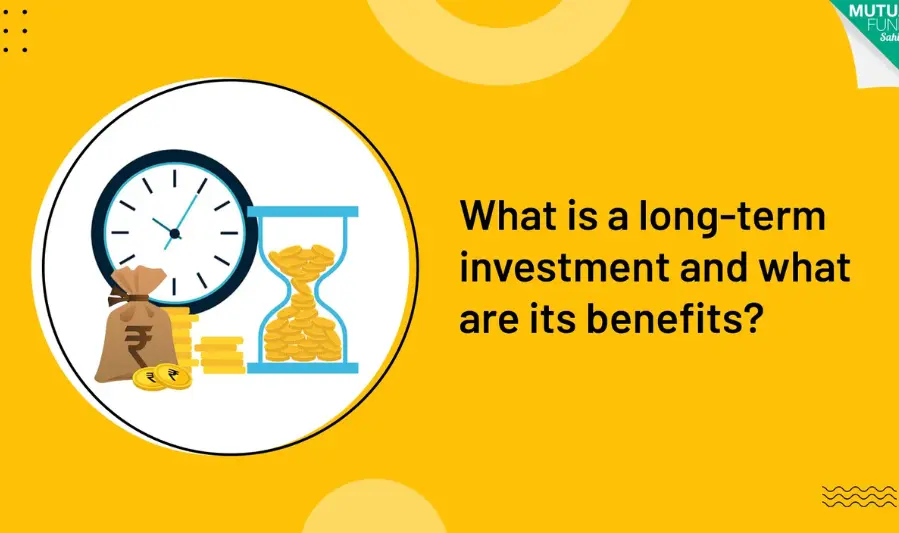
One of the most powerful benefits of long-term investing is compound interest—where your investment earnings are reinvested to generate their own earnings. Over time, this exponential growth can turn even small, regular investments into significant wealth. The earlier you start, the more time your money has to grow.
2. Lower Impact of Market Volatility
Markets naturally rise and fall, but long-term investors are less affected by short-term fluctuations. Historically, markets tend to recover and grow over the long run. By staying invested, you’re more likely to benefit from long-term gains than be harmed by temporary dips.
3. Better for Achieving Major Life Goals
Long-term investing aligns perfectly with big financial goals like:
- Retirement savings
- Children’s education
- Buying a home
These goals often require large amounts of money, and a long-term strategy allows you to build that wealth gradually and strategically.
4. Encourages Financial Discipline
Sticking to a long-term investment plan requires consistency and patience. This approach fosters good financial habits like budgeting, goal-setting, and resisting emotional decisions—especially during market downturns.
Best Long-Term Investment Options in the Philippines
1. Stocks and Equity Investments
Explanation: Stocks represent ownership in a company. As businesses grow and become more profitable, the value of their shares—and your investment—can rise over time.
Blue-Chip vs. Growth Stocks:
- Blue-chip stocks are established companies (like SM, BDO, or Ayala Corp.) known for stability and consistent dividends.
- Growth stocks are smaller or emerging companies with high growth potential but higher volatility.
Long-Term Strategies: The most common strategies include buy and hold (keeping quality stocks for years) and peso-cost averaging (investing a fixed amount regularly regardless of market conditions).
Pros: High potential returns, dividend income, ownership in top companies.
Cons: Market volatility, requires patience and research.
2. Mutual Funds
Types Suited for Long-Term:
- Equity Funds: Focus on stocks for higher growth potential.
- Balanced Funds: Mix of stocks and bonds for moderate risk and steady returns.
- Index Funds: Track the performance of the PSEi (Philippine Stock Exchange Index).
How They Work: Investors pool money managed by professionals who invest in diversified assets.
Popular Providers: Sun Life, Philam Asset Management, and ATRAM.
Fees and Minimum Investments: Minimum starts at around ₱1,000–₱5,000, with annual management fees typically between 1–2%.
3. UITFs (Unit Investment Trust Funds)
Differences from Mutual Funds: UITFs are offered by banks and regulated by the Bangko Sentral ng Pilipinas (BSP), while mutual funds are managed by investment companies under the Securities and Exchange Commission (SEC).
Long-Term UITF Types: Equity and balanced UITFs are ideal for long-term investors looking for growth with managed risk.
Where to Invest: Available through major banks like BPI, Metrobank, BDO, and Security Bank.
Pros: Professionally managed, diversified, accessible.
Risks: Subject to market fluctuations and management fees.
4. Pag-IBIG MP2 Savings Program
Overview: Although it has a 5-year maturity period, the Pag-IBIG MP2 program can be renewed indefinitely, making it suitable for long-term savers.
Historical Performance: Dividend rates have ranged from 6% to 8% annually—higher than most traditional savings products.
How to Maximize: Reinvest dividends or renew the account after maturity for compounded growth.
Rules: Minimum contribution of ₱500; withdrawals allowed after 5 years or under special conditions.
5. Real Estate Investments
Types: Includes residential lots, rental properties, and commercial spaces.
Value Growth: Real estate generally appreciates over time, providing both capital gains and rental income.
Benefits: Tangible asset, potential for passive income, hedge against inflation.
Risks and Costs: Requires large capital, ongoing maintenance, property taxes, and market demand fluctuations.
6. VUL (Variable Universal Life Insurance)
Overview: Combines life insurance with an investment component. Part of your premium goes to insurance, while the rest is invested in equity or bond funds.
Long-Term Benefits: Ideal for retirement planning, family protection, and wealth transfer.
Fees and Terms: Includes insurance charges, fund management fees, and surrender penalties if withdrawn early.
Pros: Dual benefit of protection and investment growth.
Cons: Higher fees, long lock-in period, and market-based returns.
7. PERA (Personal Equity and Retirement Account)
Overview: A government-backed retirement savings program designed to encourage Filipinos to invest for their future.
Tax Benefits: Contributions are tax-deductible up to ₱100,000 per year (₱200,000 for OFWs), and earnings are tax-free upon withdrawal at retirement age (55 and above).
Administrators: Managed by accredited institutions like BDO, BPI, and Landbank.
Investment Choices: Includes mutual funds, UITFs, and government securities.
Limitations: Funds are locked until retirement, with limited early withdrawal options.
Tips for Long-Term Investing
1. Start Early, Even with Small Amounts
Time is your greatest ally in investing. Starting early allows your money to grow through compound interest, even if you begin with small amounts. Consistency matters more than size—regular investing builds wealth steadily over time.
2. Diversify Across Asset Types
Avoid putting all your money in one type of investment. Spread your portfolio across stocks, bonds, mutual funds, and real estate to balance risk and maximize potential returns. Diversification helps cushion losses when one market underperforms.
3. Reinvest Dividends or Earnings
Instead of cashing out dividends or interest, reinvest them to accelerate growth. Reinvestment compounds your returns and significantly boosts your long-term wealth.
4. Monitor but Avoid Emotional Reactions to Market Dips
Markets naturally fluctuate. Checking your portfolio too often can lead to emotional decisions—like panic-selling during downturns. Stay focused on your long-term goals and remember that market recoveries are part of the investing journey.
5. Adjust Your Portfolio Based on Life Stage and Goals
As you age or your financial goals change, rebalance your investments. Younger investors can take more risk with equities, while older investors may shift toward safer assets like bonds or time deposits. Align your portfolio with your timeline and comfort level.
Common Mistakes to Avoid
1. Expecting Quick Returns
Long-term investing is about patience, not instant results. Many beginners get discouraged when they don’t see immediate profits. Remember, wealth grows gradually through consistent contributions and the power of compounding.
2. Pulling Out Too Early During Market Dips
Market downturns are temporary, but the losses from panic-selling can be permanent. Staying invested during market dips allows your portfolio to recover and even grow stronger when conditions improve.
3. Not Aligning Investments with Goals
Each investment should match your financial goals and time horizon. For example, short-term needs shouldn’t be placed in volatile assets like stocks. Misalignment can lead to liquidity problems or unnecessary risks.
4. Ignoring Fees and Hidden Costs
Management fees, transaction costs, and taxes can quietly erode your returns over time. Always review the expense ratios, sales loads, and administrative charges before investing to ensure your money is working efficiently for you.
you may also like to read these posts:
Powerful & Compact: Best Portable Mini PCs for
Paghahanda para sa Pagsusulit: Gabay at Tips
Gabay Aral para sa mga Mag-aaral sa Elementarya
Rozmarra ki Budget Tips jo Asar Dikhayein
Tools and Platforms to Start Investing
1. Banks Offering UITFs and PERA
Many major Philippine banks provide Unit Investment Trust Funds (UITFs) and PERA (Personal Equity and Retirement Account) options for long-term investors. These institutions make investing more accessible with online enrollment, automatic debit arrangements, and personalized investment advice.
Examples:
- BPI – Offers UITFs and PERA options via BPI Invest Online.
- BDO – Wide range of UITFs including equity, balanced, and bond funds.
- Metrobank – UITFs available for both conservative and aggressive investors.
- Security Bank – Offers money market and balanced UITFs, plus easy online access.
2. Online Brokers and Investment Apps
Technology has made investing simpler and more convenient. Online platforms let you buy and monitor stocks, mutual funds, and ETFs directly from your phone or computer.
Popular options include:
- COL Financial – One of the most trusted stockbrokers in the Philippines for beginners.
- Seedbox Philippines – Allows investment in mutual funds, UITFs, and PERA accounts.
- GCash GInvest – Ideal for new investors; offers access to global and local funds with minimal capital.
- BPI Trade / First Metro Sec – Great for active traders and long-term investors looking for diverse instruments.
3. Government Channels
For those who prefer government-backed investment options, there are secure online channels to participate in national savings and retirement programs.
Examples:
- Pag-IBIG Fund – For the MP2 Savings Program, which offers competitive dividends and guaranteed capital.
- Bureau of the Treasury (BTr) – Offers Retail Treasury Bonds (RTBs) and Premyo Bonds, available through the Bonds.PH app or partner banks.
- BIR-Approved PERA Portals – Platforms like Seedbox and ATRAM PERA allow individuals to open and manage PERA accounts online with tax incentives.
Faqs:
What are the best long-term investment options in the Philippines?
Some of the best long-term investments include stocks, mutual funds, UITFs, real estate, Pag-IBIG MP2, and PERA accounts. These options provide the potential for higher returns when held over several years.
How long is considered “long-term” in investing?
Generally, long-term investing means holding your investments for at least 5 to 10 years or more. This allows your money to grow through compounding and ride out short-term market fluctuations.
Is Pag-IBIG MP2 a good long-term investment?
Yes. Although the MP2 program has a 5-year maturity, you can continuously reinvest your savings after each term. It offers government-backed security and tax-free dividends, making it ideal for long-term savers.
What is the safest long-term investment option?
Government-backed investments such as Pag-IBIG MP2 and PERA accounts are among the safest. However, for higher potential growth, consider diversifying into mutual funds, UITFs, or real estate.
How much should I invest for long-term goals?
The amount depends on your income, financial goals, and timeline. Start small—what matters most is consistency. Even investing ₱1,000 to ₱2,000 monthly can grow significantly over time through compounding returns.
Conclusion
Building wealth through long-term investments is one of the smartest financial decisions you can make. While it requires patience and consistency, the rewards—financial freedom, stability, and peace of mind—are well worth the wait.
Whether you invest in stocks, mutual funds, real estate, Pag-IBIG MP2, or PERA, the key is to start early, stay committed, and let time and compounding work in your favor. Diversify your portfolio, align your investments with your goals, and review your strategy periodically to stay on track.
Remember, successful investing isn’t about timing the market—it’s about time in the market. The sooner you begin, the better your chances of achieving lasting financial growth and security.
Start today, think long-term, and invest in your future self.