
Introduction
In today’s unpredictable economic landscape, prioritizing low-risk investments is essential for preserving your hard-earned money while still earning steady returns. Low-risk investments offer a safer way to grow your wealth, making them ideal for beginners, retirees, and conservative savers who prioritize capital preservation over high returns.
This blog post will guide you through the best low-risk investment options available, explain their benefits and drawbacks, and help you decide which choices align with your financial goals and risk tolerance.
What Are Low-Risk Investments?
Definition and Characteristics
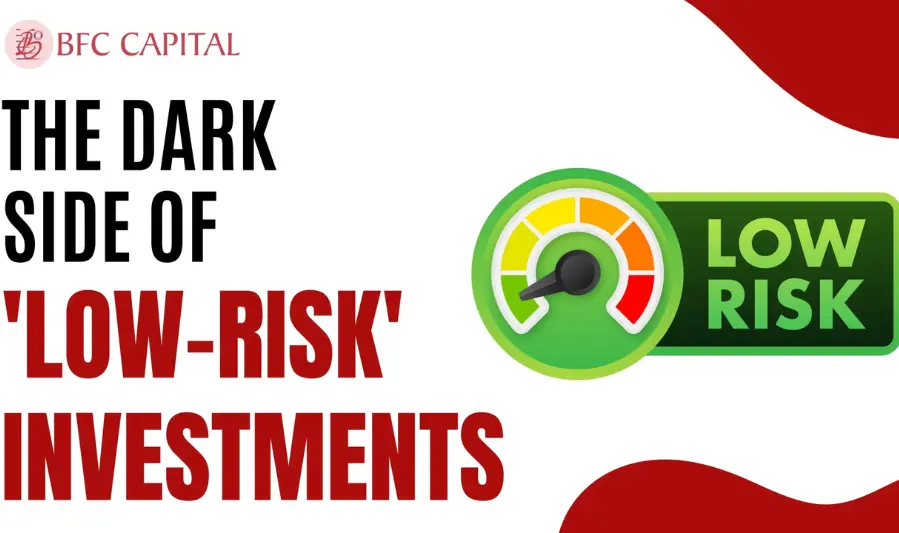
Low-risk investments are financial products designed to minimize the chance of losing your principal amount. They typically offer more stable, predictable returns compared to higher-risk investments like stocks. Common characteristics include capital preservation, steady income, and lower volatility.
Risk vs. Reward Explained Simply
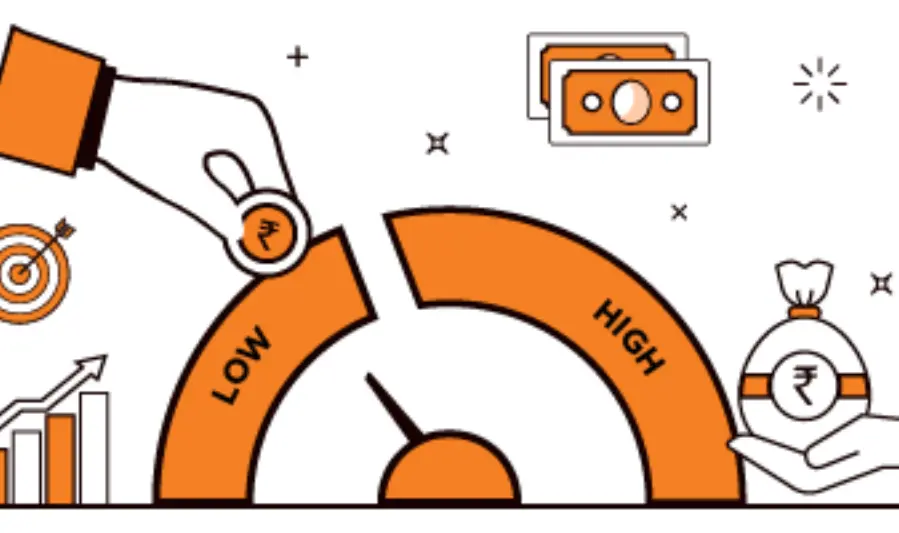
Investing always involves a trade-off between risk and reward: higher potential returns usually come with higher risk, while low-risk investments offer more modest gains but greater security. Low-risk options aim to protect your money from major fluctuations or losses.
Key Benefits of Low-Risk Investing
- Capital Preservation: Your initial investment is less likely to decrease in value.
- Peace of Mind: Reduced worry over market swings and financial loss.
- Steady Income: Many low-risk investments provide regular interest or dividends.
When to Consider Low-Risk Options
- When saving for short-term goals (e.g., buying a car, education expenses)
- Building or maintaining an emergency fund
- If you are risk-averse or nearing retirement and want to protect your savings
1. What Are Low-Risk Investments
How They Work: Time deposits are fixed-term bank deposits that earn interest over a specified period, usually ranging from 30 days to several years. The principal and interest are guaranteed if held to maturity.
Interest Rates in 2025: Typically range from 3% to 5% annually, depending on the bank and term length.
PDIC Insurance Coverage: Deposits up to PHP 500,000 are insured by the Philippine Deposit Insurance Corporation (PDIC), protecting your funds in case of bank failure.
Pros and Cons:
- Pros: Low risk, guaranteed returns, insured up to PHP 500,000
- Cons: Funds are locked in for the term, penalties for early withdrawal
2. Pag-IBIG MP2 Savings Program
Who Can Invest: Open to Pag-IBIG Fund members, including employees, self-employed, and voluntary members.
Historical Dividend Performance: Dividends have averaged around 6-8% annually over the past decade, often outperforming regular savings accounts.
How to Open an Account and Make Contributions: Enrollment is through Pag-IBIG branches or online, with flexible monthly contributions starting at PHP 500.
Withdrawal Rules and Earnings: Funds are payable after five years or upon maturity, with dividends credited annually. Early withdrawals have specific conditions.
3. Government Bonds & Treasury Bills
T-Bills vs. Retail Treasury Bonds:
- Treasury Bills (T-Bills) are short-term securities (up to 1 year) issued at a discount and mature at face value.
- Retail Treasury Bonds (RTBs) are long-term bonds (up to 25 years) with fixed or floating interest rates.
Where and How to Invest: Available via banks, online platforms like the Bureau of the Treasury’s website, and authorized agents.
Typical Returns: Around 3-6%, varying with tenure and economic conditions.
Risk Level: Very low due to government backing and guaranteed repayment.
4. Money Market Funds
What They Invest In: Short-term debt instruments such as treasury bills, commercial papers, and certificates of deposit.
Expected Returns and Liquidity: Generally offer returns slightly higher than savings accounts with high liquidity, allowing easy access to funds.
Who Should Invest: Ideal for conservative investors seeking better yields without locking funds in long term.
Where to Find Money Market Funds: Offered by banks and investment firms in the Philippines.
5. Unit Investment Trust Funds (UITFs) – Bond or Conservative Funds
What Are UITFs: Pooled funds managed by banks or trust companies investing in a diversified portfolio of bonds or other fixed-income securities.
Choosing a Low-Risk UITF: Look for bond or conservative funds focused on government or high-quality corporate bonds.
Risks and Fees to Watch For: Management fees, early redemption penalties, and market risks affecting bond prices.
6. Corporate Bonds (Investment Grade Only)
What Makes a Bond “Investment Grade”: Bonds rated BBB or higher by credit rating agencies, indicating lower default risk.
Risk vs. Reward: Higher returns than government bonds but with slightly increased risk depending on the issuer’s stability.
Where to Buy: Through banks, brokers, or investment platforms.
What to Look For: Credit rating, bond term, coupon rate, and issuer’s financial health.
7. High-Yield Savings Accounts (Digital Banks)
Examples: Digital banks like CIMB, Tonik, and Overseas Filipino Bank offer competitive interest rates compared to traditional banks.
Pros: Easy access to funds, higher interest rates, and PDIC insurance coverage up to PHP 500,000.
Comparison with Traditional Banks: Typically better rates but may have minimum balance or transaction requirements.
Tips for Choosing the Right Low-Risk Investment
- Know Your Financial Goals: Clearly define whether you’re saving for short-term needs like an emergency fund or longer-term goals such as retirement. Your goals will guide which low-risk options suit you best.
- Understand Your Time Horizon: The length of time you plan to keep your money invested affects your choice. For shorter horizons, highly liquid options like money market funds or high-yield savings accounts are ideal, while longer horizons can allow for slightly higher-yielding options like government bonds or UITFs.
- Diversify Even Within Low-Risk Options: Spread your investments across different products—such as time deposits, government bonds, and money market funds—to reduce risk and improve overall returns.
- Watch Out for Fees That Eat Into Returns: Be aware of management fees, transaction charges, or penalties that can reduce your earnings, especially with mutual funds or UITFs.
- Keep Up with Inflation: Choose investments that at least keep pace with inflation to preserve your purchasing power over time. Low-risk does not mean zero risk from inflation.
you may also like to read these posts:
Powerful & Compact: Best Portable Mini PCs for
Paghahanda para sa Pagsusulit: Gabay at Tips
Gabay Aral para sa mga Mag-aaral sa Elementarya
Rozmarra ki Budget Tips jo Asar Dikhayein
Common Myths About Low-Risk Investing
- “Low risk means no return”
Many believe that low-risk investments yield little to no profit. While returns are generally more modest compared to high-risk options, safe investments still provide steady growth and help preserve capital—especially important in uncertain times. - “Only the rich can invest safely”
This myth discourages many beginners. In reality, low-risk investments like time deposits, Pag-IBIG MP2, and government bonds are accessible to everyday Filipinos with modest funds. - “You need a financial advisor to start”
While financial advice can help, it’s not a prerequisite. With abundant online resources and user-friendly platforms, beginners can start investing in low-risk products confidently on their own.
Faqs:
What are considered low-risk investments in the Philippines?
Low-risk investments typically include time deposits, government bonds, Pag-IBIG MP2 savings, money market funds, and investment-grade corporate bonds.
Can I lose money with low-risk investments?
While low-risk investments significantly reduce the chance of losing money, no investment is entirely risk-free. However, these options prioritize capital preservation and steady returns.
How much money do I need to start investing in low-risk options?
Many low-risk investments, like Pag-IBIG MP2 and some government bonds, require minimal initial amounts, sometimes as low as ₱500 to ₱5,000.
Are government bonds better than time deposits?
Government bonds generally offer higher returns than time deposits but may require longer lock-in periods. Both are low-risk but serve different investment needs.
How can I ensure my investment is safe?
Invest in products backed or insured by reputable institutions like the Philippine government or PDIC, diversify your investments, and consult with a financial advisor if needed.
Conclusion
Choosing low-risk investment options in the Philippines is a smart way to protect your money while still earning steady returns. Whether you opt for time deposits, government bonds, Pag-IBIG MP2, or money market funds, these options offer security and peace of mind—especially for conservative investors or those just starting their investment journey.
Remember, the key to successful investing is aligning your choices with your financial goals and risk tolerance. Starting early, staying consistent, and diversifying your investments will help you build a solid financial foundation for the future.