
Introduction
Budgeting and financial planning play a crucial role in achieving financial stability and reaching personal goals. By creating a clear plan for income and expenses, individuals can avoid debt, build savings, and make informed spending decisions.
Despite its importance, managing money effectively is a challenge for many. Common obstacles include inconsistent tracking, unexpected expenses, and difficulty sticking to a budget.
This is where budget planning tools come in. They help simplify the process by organizing your finances, tracking spending, and providing insights to improve money habits.
Opting for free budgeting tools is a smart choice, especially for beginners or those on a tight budget. These tools offer valuable features without added costs, making financial management accessible to everyone.
What is Budget Planning?
Definition and Purpose of Budget Planning
Budget planning is the process of creating a detailed plan that outlines your expected income and expenses over a specific period, typically monthly. The purpose is to ensure you live within your means, prioritize spending, and allocate funds toward savings and financial goals.
How Budgeting Impacts Financial Health

Effective budgeting helps you avoid debt, manage cash flow, and build savings. It provides clarity on where your money goes, reduces financial stress, and empowers you to make smarter spending decisions that support long-term stability.
Common Budgeting Methods
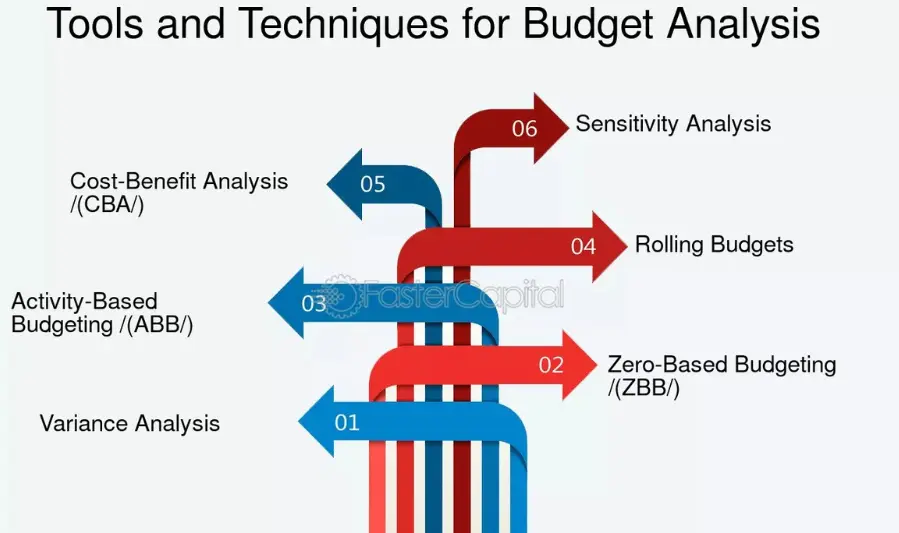
- Zero-Based Budgeting: Every dollar of income is assigned a specific purpose, so your income minus expenses equals zero by the end of the period. This method requires detailed tracking but maximizes control over finances.
- 50/30/20 Rule: Divides income into three broad categories — 50% for needs, 30% for wants, and 20% for savings and debt repayment. It’s simple and flexible, ideal for beginners.
Benefits of Using Budget Planning Tools
Automating Expense Tracking
Budget planning tools automatically record and categorize your expenses, saving you time and reducing errors compared to manual tracking.
Visualizing Spending Habits Through Charts and Reports
Many tools provide visual summaries like graphs and reports, making it easier to understand where your money goes and identify areas for improvement.
Setting and Monitoring Financial Goals
These tools help you set clear financial goals—such as saving for emergencies or paying off debt—and track your progress toward achieving them.
Reducing Financial Stress and Improving Savings
By keeping your finances organized and transparent, budgeting tools reduce uncertainty and help you stick to your plans, which can lead to better savings habits and less money-related stress.
Accessibility (Mobile vs Desktop vs Web Apps)
Budgeting tools come in various formats—mobile apps for on-the-go tracking, desktop software for detailed management, and web apps for anytime access—allowing you to choose what best fits your lifestyle.
Criteria for Choosing a Budget Planning Tool
User-Friendliness and Interface
The tool should be intuitive and easy to navigate, with a clean design that works well across devices. A simple interface helps you focus on managing your finances without frustration.
Features
Look for essential features like:
- Expense tracking that automatically categorizes transactions
- Goal setting to monitor savings or debt repayment
- Reports and visual summaries (graphs, charts) to understand spending habits
Security and Privacy Considerations
Your financial data should be well protected. Choose tools that offer:
- Bank-grade encryption
- Two-factor authentication (2FA)
- Clear privacy policies detailing how your data is used and protected
Compatibility with Bank Accounts or Manual Entry
Depending on your preference, select a tool that:
- Syncs directly with your bank accounts for automatic updates
- Allows easy manual entry if you prefer tracking expenses yourself
Mobile App Availability
A good budgeting tool should have a mobile app so you can manage your budget anytime, anywhere. Look for cross-platform support and offline capabilities.
Customizability
Personalization makes budgeting easier. Choose tools that allow you to:
- Adjust categories to fit your spending habits
- Customize reports to focus on what matters to you
- Use multiple currencies if you manage finances internationally
BudgetPulse
Features:
- Expense Tracking: Categorizes expenses to help users monitor spending habits.
- Budget Creation: Allows users to set and manage budgets across various categories.
- Account Management: Supports multiple accounts for comprehensive financial tracking.
Pros:
- User-Friendly Interface: Simplifies budgeting with an intuitive design.
- Comprehensive Dashboard: Provides a clear overview of financial status.
- Free Access: No cost for basic budgeting features.
Cons:
- Limited Advanced Features: Lacks some premium functionalities found in paid tools.
- Basic Customization: Offers minimal options for personalizing the user experience.
Ideal User Profile:
- Individuals seeking a straightforward, no-cost budgeting solution without the need for advanced features.
2. MyBudgetApp
Features:
- Real-Time Budgeting: Enables users to adjust budgets on the go.
- Bill Tracking: Helps manage and schedule bill payments.
- Expense Categorization: Organizes spending into customizable categories.
Pros:
- Proactive Alerts: Notifies users of upcoming bills and budget deviations.
- Mobile Accessibility: Designed for on-the-go financial management.
- User-Friendly Design: Easy to navigate and use.
Cons:
- Limited Free Version: Some features are restricted to premium users.
- Regional Availability: Primarily available in certain countries, limiting accessibility.
Ideal User Profile:
- Individuals looking for a mobile-friendly budgeting tool with real-time updates and bill tracking.
3. Visme Budget Planner
Features:
- Visual Budgeting Tools: Offers charts and graphs for expense tracking.
- Template Library: Provides customizable templates for budgeting.
- Integration Capabilities: Allows integration with other tools for streamlined planning.
Pros:
- Highly Visual: Makes budgeting engaging with visual aids.
- Customizable Templates: Users can tailor templates to fit personal needs.
- Collaboration Features: Facilitates sharing and collaboration on budgets.
Cons:
- Free Plan Limitations: Some features are restricted in the free version.
- Learning Curve: May require time to familiarize with advanced features.
Ideal User Profile:
- Users who prefer a visual approach to budgeting and require customizable templates for detailed planning.
4. MoneyHelper Budget Planner
Features:
- Budget Templates: Provides various templates for different budgeting needs.
- Expense Tracking: Allows users to monitor and categorize expenses.
- Financial Advice: Offers tips and resources for better money management.
Pros:
- Comprehensive Resources: Combines budgeting tools with financial education.
- User-Friendly Interface: Easy to navigate and use.
- Free Access: All features available at no cost.
Cons:
- Basic Design: Lacks advanced design features found in premium tools.
- Limited Customization: Offers minimal options for personalizing the user experience.
Ideal User Profile:
- Individuals seeking a comprehensive budgeting tool with educational resources to improve financial literacy.
5. Financial Toolset Budget Planner
Features:
- Expense Tracking: Monitors and categorizes spending.
- Budget Creation: Helps users set and manage budgets across various categories.
- Financial Goal Setting: Allows users to set and track financial goals.
Pros:
- Goal-Oriented: Focuses on helping users achieve financial objectives.
- Comprehensive Tools: Offers a range of tools for detailed financial planning.
- Free Access: No cost for basic budgeting features.
Cons:
- Complex Interface: May be overwhelming for beginners.
- Limited Support: Offers minimal customer support options.
Ideal User Profile:
- Users with specific financial goals seeking a tool to help them plan and track progress.
How to Get Started with a Budget Planning Tool
Step 1: Choose Your Budget Planning Tool
Select a tool that fits your needs, considering factors like ease of use, features, and accessibility (mobile or desktop).
Step 2: Set Up Your Account
Create an account if required. Link your bank accounts if the tool supports automatic syncing, or prepare to enter data manually.
Step 3: Input Your Income
Enter all sources of your monthly income after taxes—salary, freelance work, allowances, etc.
Step 4: List Your Expenses
Start by inputting your fixed expenses (rent, utilities, subscriptions). Then add variable and irregular expenses (groceries, entertainment, medical costs).
Step 5: Categorize Expenses
Assign each expense to a relevant category (e.g., Housing, Transportation, Food, Entertainment). Customize categories if needed to reflect your spending habits.
Step 6: Set Financial Goals
Define short-term and long-term goals such as building an emergency fund, paying off debt, or saving for a vacation. Set monthly targets for these goals in the tool.
Step 7: Review Your Budget
Regularly (weekly or monthly) review your spending against the budget. Check for overspending or areas where you can save.
Step 8: Adjust as Needed
Life changes—income fluctuations, new expenses, or shifting priorities—may require you to tweak your budget. Update categories, adjust spending limits, or reallocate funds toward goals.
Tips for Success
- Be Honest: Input accurate income and expense data for a realistic budget.
- Use Notifications: Enable alerts for upcoming bills or budget limits.
- Start Small: If overwhelmed, begin with basic categories and add detail gradually.
- Stay Consistent: Regular reviews keep your budget effective and aligned with your financial situation.
you may also like to read these posts:
Powerful & Compact: Best Portable Mini PCs for
Paghahanda para sa Pagsusulit: Gabay at Tips
Gabay Aral para sa mga Mag-aaral sa Elementarya
Rozmarra ki Budget Tips jo Asar Dikhayein
Tips for Effective Budget Planning
1. Track Every Expense, No Matter How Small
Small purchases add up quickly. Recording all expenses—even coffee or snacks—gives you a complete picture of your spending habits.
2. Review Your Budget Regularly
Set a routine to review your budget weekly or monthly. This helps catch overspending early and keeps your finances on track.
3. Set Realistic Savings Goals
Aim for achievable savings targets based on your income and expenses. Break larger goals into smaller monthly milestones to stay motivated.
4. Use Budgeting Tools Alongside Other Financial Apps
Combine budgeting apps with savings, investment, or debt repayment tools for a holistic approach to managing your money.
5. Avoid Common Budgeting Mistakes
- Don’t ignore irregular expenses like annual subscriptions or car maintenance.
- Avoid being overly rigid; allow some flexibility for unexpected costs.
- Involve family members or partners to ensure shared financial goals and accountability.
Faqs:
Are free budget planning tools safe to use?
Yes, most free budget tools are safe, but it’s important to choose ones that offer bank-grade encryption and two-factor authentication (2FA). Always check the tool’s privacy policy before linking your financial information.
Can I connect my bank accounts to budget tools?
Many free budgeting tools allow you to link your bank accounts for automatic transaction tracking. However, sometimes connections can be unstable or break, requiring manual updates.
Do free tools offer customization options?
Customization in free tools can be limited. Some tools have preset categories and may not support complex budgeting needs like investment tracking or advanced financial strategies.
Can I manually create and manage my budget in free tools?
Yes, many free tools like HomeBank and RocketMoney let you manually input and manage your income and expenses without automatic bank connections.
Are there any hidden fees or ads in free budgeting tools?
Most free tools do not charge fees but may include ads or prompts to upgrade to premium versions. These offers can sometimes affect user experience, so check before committing.
Conclusion
Budgeting is a crucial step toward achieving financial stability and reaching your money goals. The good news is that you don’t have to spend a dime to get started. Free budget planning tools offer a wide range of features—from simple expense tracking to customizable budgeting templates—that can help you take control of your finances. Whether you prefer an easy-to-use app, a visual planner, or a manual input tool, there’s something out there to fit your needs.